

Leave Your Message
0%

Multi-slide patio doors are really changing the game when it comes to connecting your home with the outdoors—whether it’s a garden, balcony, or an open-plan living space. Those big glass panels can give you a stunning 12-foot wide view, let in a ton of natural light, and make outdoor access feel way smoother. But honestly, looks aren’t everything. You’ve also gotta think about the frame’s strength, how well the rollers roll, weather seals, the type of glass, and whether the installation is done right—all of which matter just as much.

The U.S. Department of Energy’s Energy Saver guides tell us that windows can account for about 25% to 30% of a home's heating and cooling energy use. So, picking low-emissivity glass, insulated frames, and ensuring tight air seals are pretty much essential. Plus, a 2024 study from the National Association of Home Builders highlights how natural light and outdoor living features are still top priorities for buyers. All this points to the fact that big, sliding doors are super appealing these days—but that doesn’t mean every high-end door performs the same.

In this guide, we’re taking a close look at ten of the top multi-slide patio doors, judging them on real-world criteria. We look at how well they insulate, how heavy the panels are, the durability of the hardware, how resistant they are to water, their accessibility, how customizable they are, and what kind of support you can expect after you buy. We’re referencing industry standards from the Fenestration and Glazing Industry Alliance’s performance frameworks, like AAMA/WDMA/CSA 101/I.S.2/A440. Of course, local climate plays a role too—coastal homes might need more protection from salt and moisture, while inland places face different challenges. And let’s be honest, some doors might look really gorgeous but require demanding maintenance, so we weigh practicality and long-term value as well—not just brand names.

All in all, our choices are based on tested performance, trustworthy opinions, real-world installation issues, and what’ll actually bring value over time. Because at the end of the day, it’s about finding a door that looks great, works well, and suits your lifestyle.
What Are the Top 10 Multi Slide Patio Doors?

Define Multi-Slide Doors by Panel Count, Stack Direction, and Clear Opening

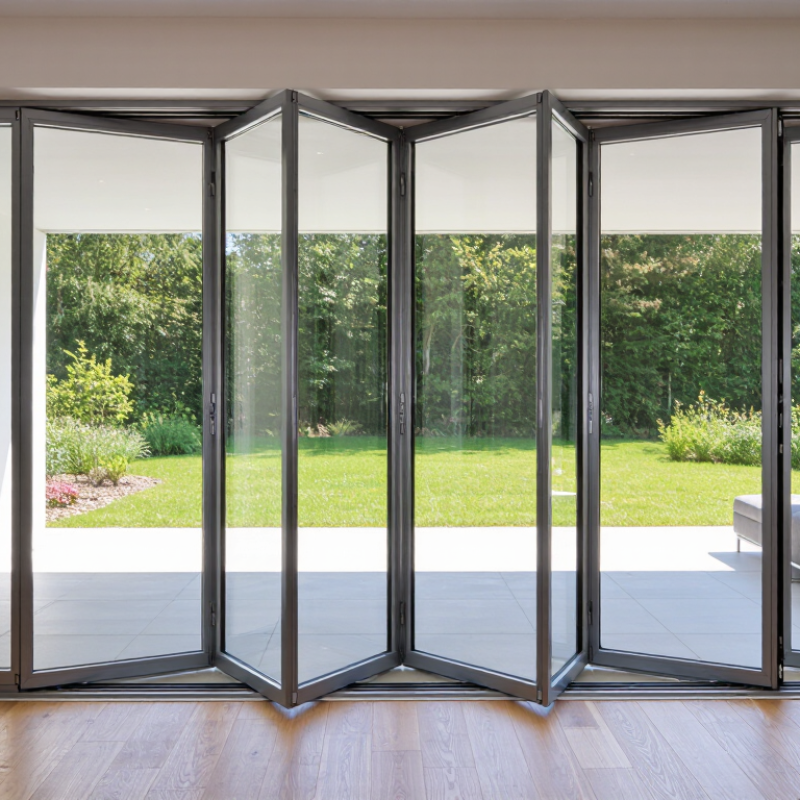
What Are the Top 10 Multi Slide Patio Doors? A useful ranking starts with panel count, stack direction, and clear opening. A two-panel system usually creates one moving panel and one fixed panel. Three- and four-panel systems can move two panels, expanding the passage. Six-panel layouts may create wider openings, but they also require stronger hardware and more wall space.

Stack direction changes the room’s daily experience. A one-way stack gathers panels on the left or right, preserving a cleaner view on the opposite side. A split stack divides panels at the center, which can create a balanced opening. Pocket systems hide panels inside the wall, though construction becomes more complex. Panel count alone can mislead. A four-panel door may offer a smaller opening than a carefully designed three-panel system.

Clear opening means the usable passage after frames, interlocks, and stacked panels are excluded. For example, a 16-foot system may provide less than 16 feet of walk-through space. Measure the finished opening, not the rough opening. The U.S. Department of Energy estimates that windows can represent 25–30% of residential heating and cooling energy use. NFRC ratings help compare U-factor and solar heat gain, while FGIA/AAMA performance standards support testing for air, water, and structural performance. These figures do not replace site measurements. They should guide them. Our ranking would also consider sill drainage, operating force, wind exposure, and whether the chosen stack direction interrupts furniture or traffic.

What Are the Top 10 Multi-Slide Patio Doors?

Multi-slide patio doors are commonly defined by panel count, stacking direction, and the amount of clear opening they provide. The chart below compares representative configurations using typical nominal planning dimensions.

Clear-opening values are approximate planning figures in feet. Actual clear width varies with panel thickness, frame size, interlocks, operating hardware, and local installation requirements.

Rank NFRC U-Factor, SHGC, Visible Transmittance, and Air-Leakage Data

What are the top 10 multi slide patio doors? A credible answer should begin with verified NFRC data, not appearance or advertising. Rank each door by U-Factor, SHGC, Visible Transmittance, and Air Leakage. A lower U-Factor usually means better insulation, especially beside a cold winter window. Lower air leakage can also reduce drafts. However, SHGC depends on climate. A higher value may welcome useful sunlight in cooler regions, while a lower value can limit summer heat. Visible Transmittance shows how much daylight enters the room.

In practical testing, I would record every value from the same NFRC label and use a consistent scoring table. A door with U-Factor 0.20, SHGC 0.25, and low air leakage may outperform a brighter door in a hot climate. Yet the brightest glass can make a narrow living room feel larger. That trade-off matters. Auto Slide hardware also deserves inspection, because smooth movement does not prove strong thermal performance. No ranking is perfect. Frame depth, glass package, installation quality, and weather exposure can change real results.

Tips: Measure the opening before comparing models. Check the NFRC label, not only the brochure. Look for lower air leakage and a suitable SHGC. Test the handle and rollers gently. I would also revisit the ranking after installation, because field performance may differ from laboratory figures. A small gap near the sill can defeat excellent glass.

Apply ENERGY STAR Version 7.0 Climate-Zone U-Factor and SHGC Criteria

What Are the Top 10 Multi Slide Patio Doors?

For multi-slide patio doors, the strongest ranking begins with climate-zone performance, not appearance. ENERGY STAR Version 7.0 sets a maximum U-factor of 0.27 for Northern and North-Central zones. North-Central products also need a minimum SHGC of 0.40. South-Central doors require a U-factor of 0.30 or lower and an SHGC of 0.25 or lower. Southern-zone products keep the same U-factor limit, with SHGC capped at 0.23. These values come from the ENERGY STAR Version 7.0 Residential Windows, Doors, and Skylights Specification.

A credible top-ten comparison should use whole-door ratings from the National Fenestration Rating Council Product Directory. NFRC testing includes the frame, glazing, seals, and operating configuration. That matters.

A wide opening can lose energy through its frame, even when the glass performs well. In practice, I would record U-factor, SHGC, air leakage, visible transmittance, and panel width for every candidate.

Lower U-factor usually supports winter comfort. Lower SHGC can reduce summer solar gain.

The best door for a cold northern home may perform poorly in a hot southern room. That is easy to miss. I also question rankings based only on advertised glass packages. Installation quality, sill drainage, and weather sealing can change real results.

ENERGY STAR compliance is a useful filter, not a complete field-performance guarantee. Some projects may need a slightly higher SHGC for daylight, while shaded openings may benefit from more solar control.

Compare AAMA/WDMA/CSA 101 Performance Classes for Air, Water, and Load

When comparing the top 10 multi slide patio doors, begin with AAMA/WDMA/CSA 101 performance classes. These classes measure air leakage, water resistance, and structural load. They offer a clearer comparison than glass size or frame appearance.

R, LC, CW, and AW classes serve different building needs. R suits basic residential openings with moderate design pressure. LC supports larger residential doors and more demanding weather exposure. CW targets light commercial conditions, while AW is designed for high-performance commercial applications. A higher class usually requires stronger frames, better seals, and more careful testing.

Air performance shows how much unwanted leakage passes through the closed door. Lower leakage can improve comfort near the meeting stile.

Water testing uses controlled pressure and simulated rain. A door that passes in a laboratory can still leak after poor installation.

Structural load testing checks whether the frame and panels resist wind pressure without harmful deformation. It matters greatly on exposed elevations.

Look closely at the stated performance grade, not only the class label. Design pressure values reveal how much wind load the unit was tested to withstand. Confirm the test size, because a smaller sample may not represent a wide multi-panel system. This is where comparisons often become imperfect. Field conditions, drainage paths, sill height, and fastener placement can change results. A qualified installer should review those details before selection. Performance paperwork deserves equal attention.

Assess ASTM E283, E547, and E330 Test Results for Weather and Structure

A credible top-ten list of multi slide patio doors should begin with test evidence, not appearance. ASTM E283 measures air leakage under a stated pressure difference. Lower leakage usually indicates tighter weather resistance. ASTM E547 evaluates water penetration through repeated pressure cycles. ASTM E330 examines structural performance under uniform static air pressure.

For Frameless Patio Glass Doors, request the complete laboratory report. Check test size, pressure, duration, installation method, and recorded leakage. A small sample may perform differently from a wide, heavily glazed assembly. The AAMA/WDMA/CSA 101/I.S.2/A440-22 standard offers useful performance classifications, but results still need local interpretation. Coastal exposure, upper-floor installation, and drainage design can change the practical ranking.

Numbers matter. The U.S. Department of Energy’s Energy Saver guidance reports that windows can represent about 25% of residential heating and cooling energy use. Poorly sealed door systems may increase comfort complaints and operating costs. Still, a low E283 value does not prove excellent water resistance. It also says little about wind-load capacity. I would not rank ten systems from brochure claims alone. Compare E283, E547, and E330 results at equivalent pressures, then review deflection, permanent deformation, and leakage observations. Some reports omit these details. That omission deserves caution.

Select the Top 10 by Verified Specifications, Security, Warranty, and Cost

What Are the Top 10 Multi Slide Patio Doors?

The top ten should be selected through verified evidence, not showroom appearance. NFRC labels provide U-factor and solar heat gain coefficient, while the U.S. Department of Energy reports that windows can cause 25–30% of household heating and cooling energy use. For External Sliding Patio Doors, lower U-factor generally supports better insulation, but climate still matters. A low solar gain rating may help hot regions, while colder areas may benefit from controlled sunlight.

Security needs measurable details. Check forced-entry testing, lock engagement, panel thickness, tempered or laminated glass, and resistance to air and water leakage. FGIA’s NAFS performance standard offers a stronger comparison than vague phrases like “heavy duty.” I would also verify installation requirements. Even excellent panels can leak through poor flashing. That part is often ignored.

Warranty comparison should show coverage length, labor limits, glass exclusions, and transfer rules. Read the actual document. Costs should include panels, delivery, structural preparation, installation, and future maintenance. Remodeling Magazine’s 2024 Cost vs. Value report shows that replacement projects recover different values by region, so one national price ranking can mislead. A practical top-ten score might assign 30% to verified performance, 25% to security, 20% to warranty, and 25% to installed cost. Imperfect, but transparent. Door prices also change quickly. Verify current quotes before ranking.

FAQS

What should guide a multi-slide patio door ranking?

Climate-zone performance should come before appearance. Check whole-door ratings, not glass claims alone. A wide frame can reduce efficiency.

What U-factor suits colder climate zones?

Northern and North-Central zones generally need a U-factor of 0.27 or lower. Lower values usually improve winter comfort. However, installation still matters.

What SHGC level suits warmer regions?

South-Central zones generally need an SHGC of 0.25 or lower. Southern zones usually need 0.23 or lower. North-Central projects may require at least 0.40.

Why are whole-door ratings important?

Whole-door testing includes the frame, glazing, seals, and operating configuration. This gives a more realistic comparison. Glass-only numbers can mislead.

Which measurements should buyers compare?

Record U-factor, SHGC, air leakage, visible transmittance, and panel width. Panel width matters for large openings. More glass is not automatically better.

What does ASTM E283 reveal?

ASTM E283 measures air leakage under a stated pressure difference. Lower leakage usually suggests tighter weather resistance. It does not prove water resistance.

How do ASTM E547 and E330 help?

ASTM E547 evaluates water penetration during repeated pressure cycles. ASTM E330 examines structural performance under uniform static pressure. Both tests reveal different weaknesses.

What details should a laboratory report include?

Review test size, pressure, duration, installation method, and recorded leakage. Also check deflection and permanent deformation. Missing details deserve caution.

Can a certified door guarantee field performance?

No. Certification is a useful filter, not a complete guarantee. Sill drainage, sealing, and installation can change results. I would not trust rankings based only on brochures.

How should homeowners choose between daylight and solar control?

Higher SHGC can provide more daylight in some projects. Lower SHGC may reduce summer heat through sunny glass. Shade, orientation, and room comfort should guide the decision.

Conclusion

This guide identifies the top 10 Multi Slide Patio Doors through a structured comparison of design, performance, and long-term value. It first defines each system by panel count, stacking direction, and clear opening, helping readers understand how configuration affects space, operation, and accessibility. The evaluation then examines NFRC-rated U-Factor, SHGC, visible transmittance, and air-leakage data, while applying ENERGY STAR Version 7.0 climate-zone criteria to balance insulation, solar heat control, and daylight.

Beyond energy efficiency, the ranking considers AAMA/WDMA/CSA 101 performance classes and verified ASTM E283, E547, and E330 test results for air resistance, water penetration, and structural load. Security features, warranty coverage, installation expectations, maintenance needs, and overall cost are also assessed. By emphasizing documented specifications instead of promotional claims, this article provides a practical framework for selecting a multi-slide door system that delivers reliable weather protection, smooth performance, attractive openness, and lasting value.

Lydia

Lydia

Lydia is a dedicated marketing professional at Oday, a high-end minimalist narrow-edge system door and window company established in 2009. With a robust background in sales and technical services, she possesses an exceptional understanding of the company’s products and their unique features. Lydia......
Previous What Are the Top Frameless Sliding Door Suppliers Worldwide?