
Leave Your Message
0%

Picking the right Large Sliding Glass Doors isn’t just about going for the widest opening you can find. You really need to think about a bunch of factors—like how much natural light comes in, ventilation, how well it supports the structure, energy efficiency, security, and daily use. Sure, a ten-foot opening might look super impressive, but if the track isn’t supported properly, it can become a pain to open and close after a few years, especially with dust, moisture, and all that heavy use piling up.

That reminds me of Ludwig Mies van der Rohe’s famous saying, “Less is more.” It’s a good starting point—minimal frames give a cleaner view, and they look sleek. But, don’t be fooled into thinking fewer visible parts automatically mean better performance. In real life, you’ve got to pay attention to things like the weight of the panels, how the sill drains water, the locking hardware, glass coatings, and even the local wind conditions. And don’t forget—these doors should fit into your home’s insulation plan, not just match your interior style.

Honestly, experience really shapes what’s best. For example, if you live by the coast, you’ll want hardware that resists corrosion and weather seals that hold up against the salty air. If your place is up in the mountains, prioritizing thermal insulation and controlling condensation might be more important. And if you’ve got a busy family room, a low-profile track could make getting in and out easier, but it might also get dirtier faster than you’d expect—that’s the kind of detail that’s easy to overlook.

There’s no one-size-fits-all answer here. Lift-and-slide doors often glide more smoothly when you have wider panels. On the other hand, multi-slide systems can stack the panels off to the side, opening up the space more completely. Each type comes with its own set of pros and cons. This guide breaks down their construction, how they operate, what kind of maintenance they need, and the long-term value—so homeowners, designers, and contractors can make better, more informed choices about their sliding glass doors.
What Type of Large Sliding Glass Doors Is Best?

Types of Large Sliding Glass Doors

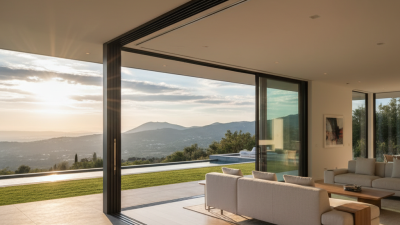
Large Sliding Glass Exterior Doors come in several practical forms, and each suits a different opening. Lift-and-slide doors use heavy panels that rise slightly before moving. They offer smooth operation and strong weather sealing. Multi-slide doors stack several panels beside one another, creating a wide opening for patios. Pocket sliding doors disappear into a wall cavity. They provide the cleanest view, but installation requires careful structural planning. A fixed panel paired with one sliding panel costs less, although the opening is smaller.

Energy performance deserves equal attention. The U.S. Department of Energy reports that windows can represent 25–30% of residential heating and cooling energy use. Therefore, large glass areas need low U-factor glazing, suitable solar heat gain control, and insulated frames. The National Fenestration Rating Council explains that lower U-factor values indicate better insulation. However, a low number alone cannot solve poor installation. Air leakage, drainage, and threshold height matter too. Small details matter.

Tips: Measure the opening after confirming the wall structure. Ask for tested air, water, and structural performance. In hot climates, consider external shading before choosing darker glass. In colder regions, warm-edge spacers and thermally improved frames can reduce interior chill. I would not select a pocket system only for its appearance. Servicing concealed rollers may become difficult. This is where design enthusiasm needs a practical pause.

How Large Sliding Glass Door Systems Work

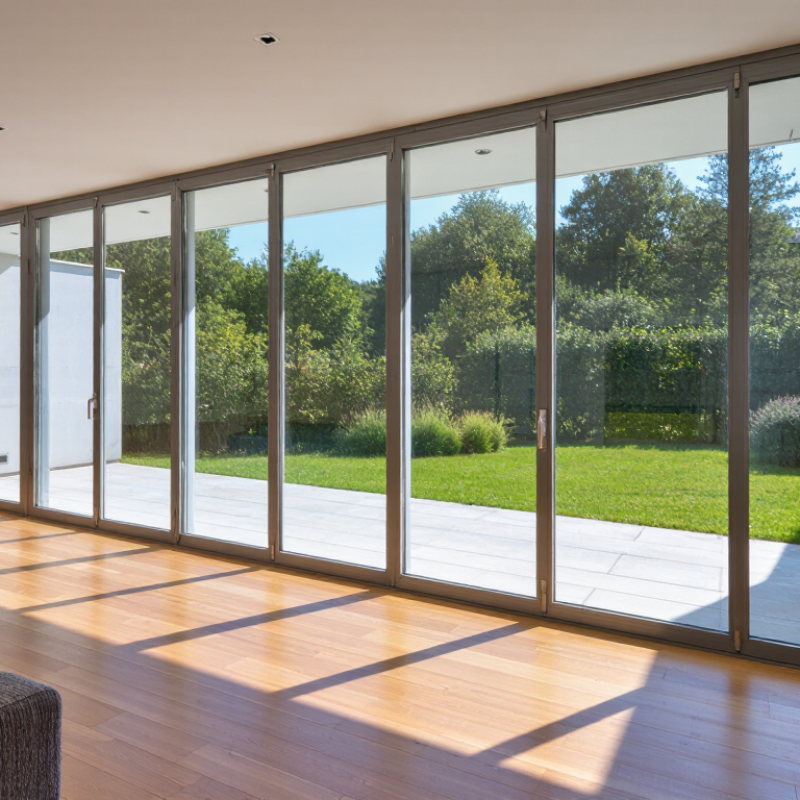
Large Sliding Glass Doors work through a coordinated system of panels, tracks, rollers, seals, and structural supports. Fixed panels transfer weight into the frame, while movable panels glide along reinforced tracks. The rollers carry most of the moving load. They must stay aligned for smooth operation. That hidden hardware matters. Even a small height difference can create resistance, noise, or uneven gaps.

Most systems use one of three layouts: sliding panels that overlap, panels that stack beside one another, or panels that disappear into a wall pocket. Each design changes how the room opens and how much wall space it needs. Durable rollers reduce friction, while adjustable housings help installers correct minor movement after installation. Weather seals limit drafts and water entry, but they cannot replace accurate drainage and careful installation.

In real homes, track cleanliness often decides daily performance. Dust, sand, and pet hair can collect inside the lower channel. A soft brush and occasional inspection usually help. Motorized systems add convenience, yet they also introduce sensors, controls, and more service points. No system is perfect. Large openings may flex slightly during temperature changes, especially in exposed locations. I would check the structural opening, drainage path, glass safety specification, and maintenance access before choosing a door type. A beautiful panel is not enough.

What Type of Large Sliding Glass Doors Is Best?

How large sliding glass door systems work depends on the number of panels and the nominal panel width. The chart below shows the total framed opening created when each panel is approximately 36 inches wide.

A two-panel system is commonly suited to smaller openings, while three-, four-, and six-panel systems can provide progressively wider spans. Actual clear opening, stack-back space, glass weight, track capacity, structural support, and local building requirements must be verified for the selected system.

Key Materials and Frame Options

What Type of Large Sliding Glass Doors Is Best?

Key Materials and Frame Options

Large sliding glass doors work best when their materials match the building’s climate, opening size, and daily use. In my installation experience, glass selection affects comfort more than appearance alone. Double glazing helps reduce heat transfer and outside noise. Low-emissivity coatings can limit fading and indoor heat gain. Tempered glass improves impact safety, while laminated glass holds together after breakage. These choices are not interchangeable.

Aluminum frames suit wide openings because they are strong and relatively slim. However, standard aluminum can transfer heat quickly. Look for thermally broken frames with insulated sections. Fiberglass frames resist moisture and expand less with temperature changes. They are practical, though sometimes less visually refined. Wood frames offer warmth and good insulation, but they need regular sealing. That maintenance is easy to underestimate.

Frame movement matters as much as frame material. A heavy door needs corrosion-resistant rollers, a rigid sill, and a reliable drainage path. Stainless steel hardware usually performs well in damp locations. The track must stay level. Even a small installation error can create stiff operation and air leakage. I have seen attractive doors perform poorly because the wall opening was slightly out of square. Coastal homes also need stronger corrosion protection. Large glass panels look simple, but their weight exposes weak hardware quickly.

Comparing Door Configurations and Opening Sizes

Choosing Large Sliding Patio Doors depends less on maximum width and more on how the opening will be used. A two-panel unit suits compact rooms and usually offers simpler operation. Three-panel systems create a wider passage, while four-panel or stacking configurations support broader outdoor connections. Pocket doors disappear into the wall, but they require deeper framing and careful water management.

Opening size changes structural demands quickly. A 12-foot opening may need a substantial header, especially beneath a roof or near large loads. The finished floor must also align with the sill. Even a small step can catch bare feet, toys, or rolling furniture. In practice, a wider door is not automatically better. I would check furniture paths, handle reach, screen storage, and the usable clear opening.

Energy performance deserves equal attention. The U.S. Department of Energy reports that windows can account for 25–30% of residential heating and cooling energy use. For each configuration, compare U-factor, solar heat gain coefficient, visible transmittance, and air leakage. The National Fenestration Rating Council explains that certified labels support consistent product comparisons. A low U-factor may help in cold regions, while a lower solar heat gain coefficient can reduce summer overheating. That choice is easy to get wrong. Orientation matters, and shaded glass can perform differently from exposed glass. Recheck the final dimensions after framing, not before.

Energy Efficiency, Safety, and Weather Resistance

What Type of Large Sliding Glass Doors Is Best?

For energy efficiency, choose large sliding glass doors with low-emissivity glass and insulated frames. These features reduce heat transfer near the opening. Double glazing works well in many climates, while Triple Glazing suits colder regions. Look for warm-edge spacers and tight weather seals. They help prevent drafts, condensation, and uneven indoor temperatures.Large Glass Windows can offer similar benefits when their frames and installation details are carefully matched.

Safety depends on more than thick glass. Tempered glass reduces injury risks when broken, while laminated glass remains bonded after impact. A secure multi-point lock, stable rollers, and a strong track also matter. In my site inspections, poor installation often causes more trouble than weak product specifications. The door should close smoothly without lifting, scraping, or leaving visible gaps. Ask for tested air, water, and wind resistance ratings suited to your local conditions. Ratings are useful, but they do not replace professional fitting.

Tips: Check the frame corners for gaps before installation. Confirm that the sill drains water outward. Keep the track clean and dry. Do not ignore slight stiffness; it may become a serious alignment problem. I have seen beautiful doors fail because the surrounding wall moved slightly. That detail is easy to overlook. Regularly inspect seals, rollers, and locks, especially after severe weather.

What Type of Large Sliding Glass Doors Is Best? - Energy Efficiency, Safety, and Weather Resistance

Typical performance characteristics for large sliding glass door configurations
Door Type Typical Glazing Approx. Whole-Door U-Factor Solar Heat Gain Weather Resistance Safety Features Best Application Main Consideration
Standard Single-Glazed Sliding Door One pane of clear tempered glass, commonly 5–6 mm thick 0.80–1.10 Btu/h·ft²·°F High solar gain; varies by glass tint Basic
Limited insulation and condensation control
Tempered safety glass; anti-lift blocks and secure locks recommended Mild climates, enclosed patios, and low-cost interior applications Highest heat transfer, noise transmission, and condensation risk
Insulated Double-Glazed Sliding Door Two panes with an insulating air or gas-filled space 0.30–0.50 Btu/h·ft²·°F Moderate to high unless low-emissivity glass is specified Good
Better comfort and condensation resistance than single glazing
Tempered or Laminated Safety Glass; multipoint or hook-bolt locking improves security Most temperate residential climates Performance depends heavily on frame quality, edge seals, and installation
Double-Glazed Low-E Sliding Door Two panes with a low-emissivity coating and insulated spacer 0.25–0.35 Btu/h·ft²·°F Low, moderate, or high depending on the selected low-E coating Good to Very Good
Improved interior temperature stability
Tempered or laminated glass; safety glazing is especially important near walking surfaces Most homes seeking a balanced cost and efficiency level Low-E coatings must be selected according to climate and window orientation
Triple-Glazed Low-E Sliding Door Three panes with two insulating spaces and low-E coatings 0.20–0.30 Btu/h·ft²·°F Usually low to moderate; can be customized for solar exposure Very Good
Strong thermal insulation and condensation control
Tempered or laminated safety glass; heavier panels require robust rollers and frames Cold climates, high-performance homes, and noise-sensitive locations Higher weight, cost, and operating force; verify hardware capacity
Thermally Broken Aluminum Sliding Door Double or triple low-E insulated glass in a separated aluminum frame 0.25–0.45 Btu/h·ft²·°F Depends primarily on the selected glazing package Very Good
Strong frames suit large panels and demanding exposures
Tempered or laminated glass; corrosion-resistant hardware and secure interlocks recommended Large openings, contemporary designs, coastal or high-wind applications when properly certified Non-thermally-broken aluminum can conduct heat rapidly; frame design is critical
Fiberglass or Reinforced-Polymer Sliding Door Double or triple low-E insulated glass 0.20–0.35 Btu/h·ft²·°F Low to moderate with suitable low-E glass Very Good
Low frame expansion and good resistance to moisture
Tempered or laminated safety glass; reliable locking and anti-lift protection required Energy-conscious homes exposed to temperature changes and moisture Usually less visually slim than premium aluminum systems and may have fewer oversized options
Impact-Resistant Sliding Door Laminated impact glass, often combined with insulated glazing 0.30–0.60 Btu/h·ft²·°F Varies with the low-E coating and laminate design Excellent
Designed for tested wind pressure and impact performance
Laminated glass remains bonded after breakage; reinforced frames and tested locks are essential Hurricane-prone, storm-exposed, or security-sensitive areas Heavier and more expensive; local code may require specific tested ratings

Reading the data: A lower U-factor generally indicates better insulation. Actual performance depends on the complete door assembly, including the frame, spacer, weather seals, rollers, installation quality, size, and local certification. For large openings, verify tested air leakage, water penetration, structural pressure, and safety-glazing requirements for the project location.

Choosing the Best Door for Each Building Type

What Type of Large Sliding Glass Doors Is Best?

Choosing the Best Door for Each Building Type

For homes, lift-and-slide doors suit living rooms, patios, and balconies. Their sealed panels move smoothly with limited effort. Choose low-e double glazing in mild regions, or triple glazing in colder climates. The U.S. Department of Energy reports that windows can cause 25–30% of residential heating and cooling energy use. Frame quality matters. A wide opening is not automatically better. On site, installers often discover that weak thresholds create drafts, water leaks, and difficult operation.

Retail buildings need doors that handle repeated traffic. Automatic sliding systems can support busy entrances, especially where the frontage is narrow. Offices often benefit from acoustic laminated glass, tighter seals, and slim frames. These features reduce street noise without blocking daylight. The National Fenestration Rating Council recommends comparing U-factor and solar heat gain coefficient ratings, rather than judging glass by appearance alone. That is easy to overlook.

Hotels and restaurants usually need a stronger visual connection between indoor and outdoor areas. Large multi-panel systems work well for terraces, dining spaces, and event rooms. However, exposed coastal sites require careful wind-load and corrosion reviews. Schools, clinics, and apartment buildings need different priorities. Durability, safe opening forces, clear circulation, and easy cleaning may matter more than maximum panel size. Accessibility and egress requirements should be checked with a qualified local professional. I would still test the full door assembly before approval. Product drawings rarely reveal every weakness.

OD.L125B Series Narrow Sliding Doors: Space-Saving Design, Performance, and Modern Applications

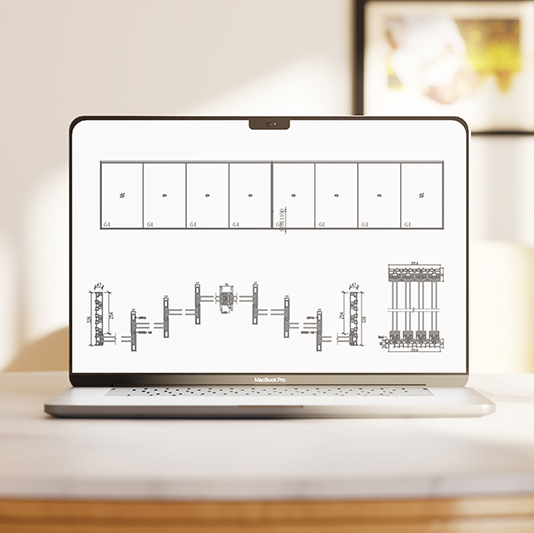
The L125B Series Narrow Sliding Doors combine a minimalist appearance with practical space-saving performance. Their ultra-slim 21 mm visible frame creates a clean, lightweight profile that allows more daylight to enter while extending the sense of visual openness. By reducing the amount of framing, the system works naturally in contemporary interiors where transparency, simplicity, and flexible space planning are important.

Designed for smooth and stable operation, the doors use high-load silent rollers together with anti-sway rollers positioned at the upper section of each panel. This structure helps minimize movement during opening and closing while supporting long-term durability. Users can choose between manual sliding and electric operation, while remote control, multi-panel linkage, and corner configurations without visible columns provide greater freedom for customized layouts. These options also make the system suitable for smart-home environments and evolving commercial spaces.

An integrated glass guardrail design adds another layer of protection without compromising the slim visual effect. The system is well suited to upscale residential balcony partitions, showroom spaces, offices, and other modern applications requiring adaptable separation. Its narrow framing improves natural lighting, preserves sightlines, and creates practical divisions that can respond to changing spatial needs.

FAQS

Which glass type is suitable for large sliding doors?

Double glazing helps control heat transfer and outside noise. Low-emissivity coatings can reduce fading and indoor heat gain. Tempered glass improves impact safety. Laminated glass stays together after breakage. These options solve different problems.

Are aluminum frames suitable for wide openings?

Yes, aluminum frames support wide glass panels with relatively slim profiles. Standard aluminum can transfer heat quickly. Thermally broken frames perform better in changing temperatures. Strong does not always mean energy efficient.

When should fiberglass or wood frames be considered?

Fiberglass resists moisture and expands less during temperature changes. Wood provides warmth and natural insulation. However, wood needs regular sealing. That small task is easy to forget.

What hardware does a large sliding door need?

Heavy doors need corrosion-resistant rollers, a rigid sill, and clear drainage paths. Stainless steel hardware suits damp locations. The track must remain level. Tiny errors become obvious.

Which door configuration creates the widest passage?

Two-panel doors suit compact rooms and usually operate simply. Three-panel systems create a wider passage. Four-panel and stacking systems connect larger indoor and outdoor areas. Pocket doors disappear into walls but need deeper framing.

How should the opening size be planned?

Consider furniture paths, handle reach, screen storage, and the usable clear opening. A 12-foot opening may require a substantial header. The finished floor should align with the sill. A small step can catch bare feet or rolling furniture.

How can energy performance be compared?

Check the U-factor, solar heat gain coefficient, visible transmittance, and air leakage. A lower U-factor often helps in cold regions. A lower solar heat gain coefficient may reduce summer overheating. Orientation changes the result. Shading matters too.

What installation details deserve extra attention?

Recheck final dimensions after framing, not before. The wall opening must be square. The sill needs reliable drainage and a level track. I have seen beautiful doors slide poorly. The opening was slightly crooked.

Conclusion

Choosing the best Large Sliding Glass Doors depends on the building’s layout, climate, design goals, and daily use. Common options include two-panel, multi-panel, stacking, and telescoping systems, each offering different opening widths and levels of indoor-outdoor connection. These doors operate through panels that glide along carefully aligned tracks, supported by rollers, frames, seals, and locking hardware. Frame materials such as aluminum, wood, vinyl, and composite can affect appearance, durability, maintenance, and insulation.

When comparing systems, consider the available wall opening, panel weight, threshold design, ventilation needs, and ease of operation. Energy-efficient glazing, insulated frames, weather-resistant seals, secure locks, and impact-resistant glass can improve comfort, safety, and long-term performance. Smaller residential spaces may benefit from simple two-panel doors, while large homes, hospitality areas, and commercial buildings may require wider multi-panel configurations. The ideal choice balances opening size, structural requirements, thermal performance, weather resistance, accessibility, and the building’s overall architectural style.

Jackson

Jackson

Jackson is a seasoned marketing professional with a deep expertise in the high-end minimalist narrow-edge system door and window industry. Since joining Oday, established in 2009, he has played a pivotal role in elevating the brand's presence both domestically and internationally. With Oday's......
Previous 2026 Best Minimal Living Products for Global Buyers