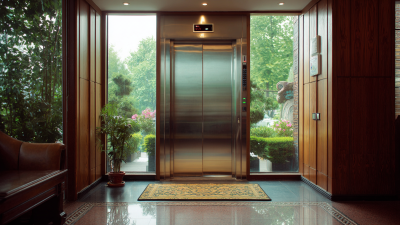
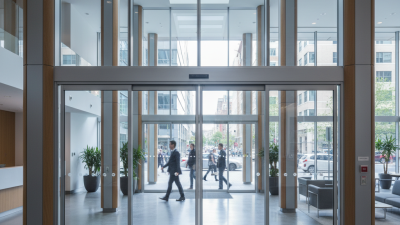
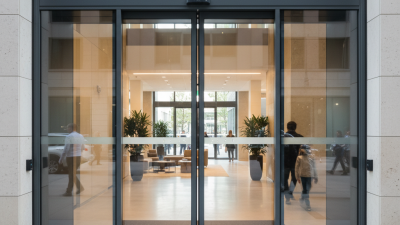
Picking the right Automatic Door can really make a difference for your business—trust me, it’s not something to take lightly. I was chatting with John Smith from Automatic Door Solutions recently, and he emphasized that choosing the best automatic door is key for both customer satisfaction and safety. There are so many options out there, so it’s important to really think about what your specific needs are.
When you’re deciding, think about things like foot traffic, where your business is located, and how much security you need. If you pick the wrong door, it can cause quite a hassle—like slowing down operations or creating other headaches. For example, a busy retail store might need a door that opens super quickly to keep the flow of shoppers smooth. Meanwhile, a hospital might lean towards a hygienic, touchless option to keep everything clean and safe.
And don’t forget, installing and maintaining these doors is just as important as choosing the right one. Finding reliable installers is a must—no cutting corners here. It can be a bit tricky to balance your budget with quality, but making an informed choice will pay off. A reliable automatic door not only keeps things running smoothly but also boosts your business’s image. Taking a moment to consider all these factors will really help improve the overall customer experience and keep your operations running smoothly.
Understanding the Different Types of Automatic Doors Available
Automatic doors are becoming essential for modern businesses. Understanding the various types of automatic doors helps in making the right choice for your establishment. Common types include sliding, swinging, and folding doors. Each type has specific benefits and works better in certain environments.
Sliding doors are popular for high-traffic areas. They save space and provide easy access. In contrast, swinging doors offer a traditional look and are commonly used in retail.
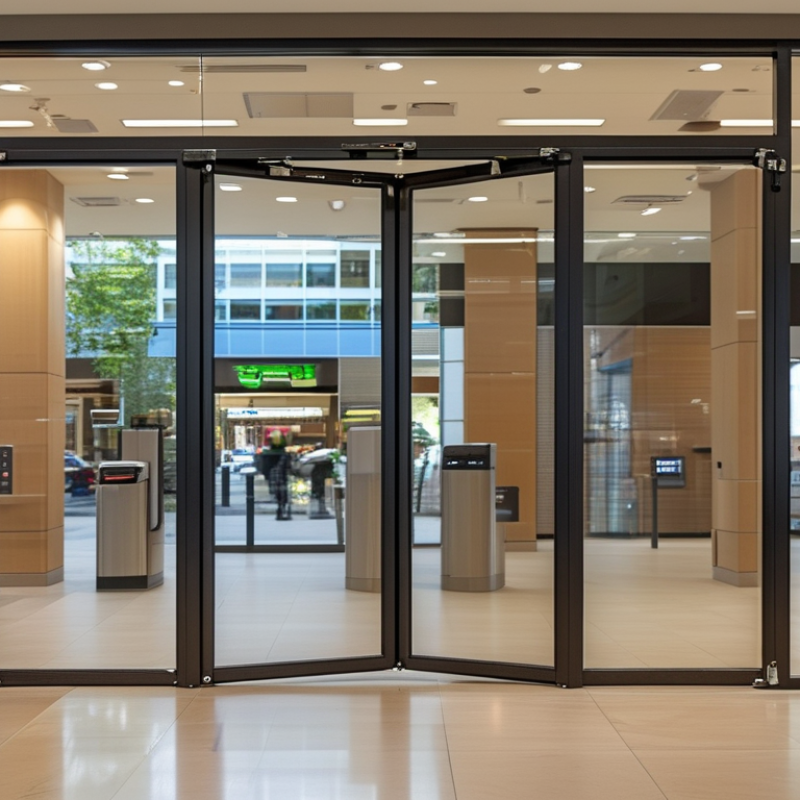
Folding doors are ideal for places requiring wide openings, like auditoriums or conference centers. Statistically, installing automatic doors can increase accessibility by 35%, according to industry reports.
When choosing a door, consider your location's climate. Some doors perform poorly in extreme weather. It's also crucial to evaluate installation costs versus potential savings on energy bills. Be aware that the wrong choice can lead to frequent repairs or high maintenance costs.
Look into the door's material, too. Glass, aluminum, or wood each have advantages depending on durability and aesthetics. Assess your traffic flow patterns regularly; adjustments may be needed over time. Prioritize security features, especially in urban settings. An automatic door should enhance rather than hinder your business.
Assessing Your Business's Accessibility Requirements
When choosing an automatic door, consider your business's specific accessibility needs. An automatic door enhances convenience, especially for individuals with disabilities. A well-designed entrance can make a significant difference. Think about the types of visitors your business attracts. Are they using wheelchairs or pushing strollers? These factors help identify the best door type.
Evaluate the space around your entrance. The door's width is important for accessibility; a narrow opening might not meet regulations. Think about traffic flow. An Automatic Sliding Door could work well in busy areas. Yet, a revolving door might limit access for some.
Plan for emergencies. An automatic door should not obstruct escape routes. Regular maintenance is vital for safety. Poorly functioning doors might frustrate customers and hurt your reputation. Be prepared to address these challenges head-on. The right choice can enhance both safety and accessibility for your business, ultimately impacting your bottom line.
Evaluating Safety Features for Automatic Doors
When selecting an automatic door, safety features are paramount. Look for sensors that detect motion and prevent accidental closure. These technologies ensure that pedestrians and vehicles can pass through without risk. An effective door system reduces liabilities while enhancing customer experience.
Consider doors with emergency release mechanisms. In case of a power failure, these features allow manual operation. This is crucial for businesses in an urban setting where fire safety is a priority. Regular maintenance checks of these systems will ensure they function optimally.
Be aware that not all automatic doors come equipped with the same safety standards. Research is necessary to identify what is suitable for your business type. Evaluate options that include safety edges and force sensors, which enhance protection against injuries. Installing signage indicating the operation of automatic doors can also improve awareness and safety among users.
How to Choose the Best Automatic Door for Your Business Needs? - Evaluating Safety Features for Automatic Doors
| Door Type | Safety Features | Energy Efficiency Rating | Access Control Options | Durability Rating |
| Sliding Door | Obstacle Detection Sensors, Soft Start/Stop | A+ | Remote Keypad, Card Reader | High |
| Swing Door | Emergency Exit Alarm, Safety Edges | B | Button Activation, RFID Access | Medium |
| Folding Door | Safety Sensors, Emergency Stop Button | A | Mobile App Control, Biometric Scanner | High |
| Revolving Door | Anti-Pinch Mechanism, Emergency Override | A++ | Swipe Card, Key Fob | Very High |
Considering the Aesthetic and Design of Automatic Doors
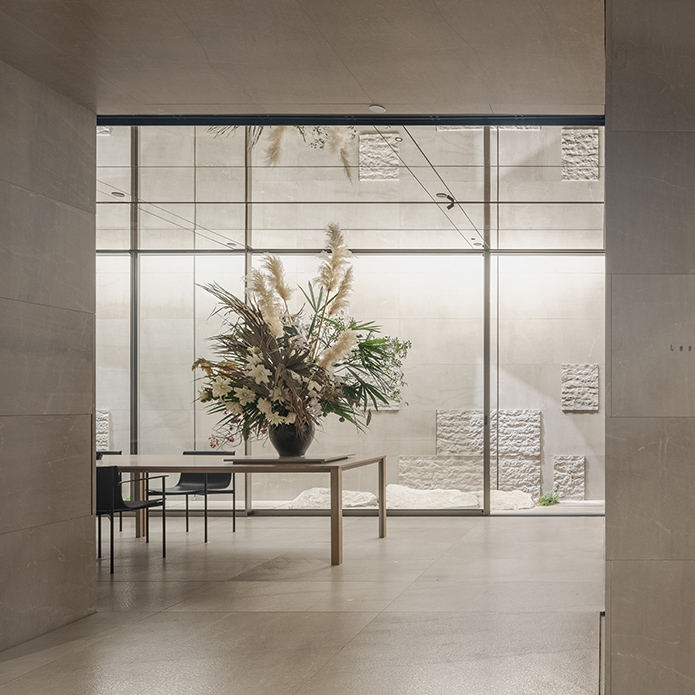
When choosing automatic doors, aesthetics and design significantly influence your decision. The style of the door should align with your brand identity. For instance, a sleek, modern design could enhance a tech startup's image, while a traditional wooden door might suit a quaint café. Consider the colors and materials that resonate with your business's ambiance. Textured glass or polished metal can create striking visual impressions.
Lighting also plays a key role. Automatic doors should harmonize with the interior and exterior lighting. Poorly lit entrances can diminish the door's elegance. Pay attention to the flow of traffic and how the door's design impacts accessibility. Framed structures can invite customers in, while Minimalist Designs offer a streamlined look.
It's important to think about maintenance, too. Some materials may look great initially but require more upkeep over time. Reflect on practicality against aesthetics. Overly complicated designs can be visually appealing but might confuse customers. Ultimately, balance beauty with functionality. Every detail counts in making a lasting impression.
Analyzing Maintenance and Durability Factors
Choosing the right automatic door for your business isn't just about aesthetics. Maintenance and durability play crucial roles in the long-term success of your investment. Research indicates that automatic doors manufactured with high-quality materials can last over 15 years. However, this lifespan significantly decreases without proper maintenance.
Regular maintenance checks are essential. According to a report from the International Door Association, 30% of all door malfunctions are due to neglect. This means businesses incur extra costs on repairs and lost productivity. Simple maintenance tasks, like weekly inspections and lubrication of moving parts, can prevent significant failures.
Durability is also linked to the door's environment. For instance, doors in high-traffic areas might experience more wear and tear. The American Society for Testing and Materials suggests that understanding daily foot traffic can inform better choices for door materials and mechanisms. Selecting a door designed for high usage can reduce maintenance frequency.
Determining Budget and Cost Considerations
Determining your budget for an automatic door is a crucial step. Consider both upfront costs and long-term maintenance. Prices can vary widely based on style, material, and features. A basic model might cost less initially, but could lead to higher maintenance expenses later. Reflecting on potential repair costs is essential.
Evaluate the features that matter most for your business. Automatic doors can include sensors, energy efficiency features, and security functions. Each added feature will raise the price. Think about which features are essential for your operation. Sometimes, spending more upfront can save money in the long run.
Also, consider installation costs. Professional installation is often necessary to ensure the door operates efficiently. Different companies charge varying rates for labor. Collect estimates from multiple contractors. This not only helps in budgeting but also gives insight into potential hidden costs. Balancing these factors can lead to smarter financial decisions for your business.
Cost Comparison of Automatic Doors for Business
This bar chart illustrates the average costs associated with different types of automatic doors that businesses may consider. Sliding doors tend to be the most affordable option, while revolving doors are the most expensive.
Researching Reputable Automatic Door Suppliers and Installers
When selecting an automatic door, the choice of suppliers and installers is crucial. Reputable providers ensure quality and service, impacting your business's functionality. According to market research, nearly 70% of businesses prioritize supplier reliability in their decision process. This highlights the importance of thorough research.
Check online reviews and ask for references. Look for suppliers with certifications and experience in commercial installations. The right installer can ensure that your automatic door meets local building codes and safety standards. Industry data indicates that well-installed doors reduce maintenance costs by up to 30%.
Evaluate multiple suppliers to compare services. Seek transparency in pricing and warranties. A significant number of businesses overlook post-installation support, which is essential for long-term operation. Ask potential suppliers about their maintenance plans and response times. If they can't meet your needs, it might be a red flag.
Conducting a detailed background check on potential suppliers can save you time and money in the long run. Many companies find that investing in reputable installation pays off with enhanced operational efficiency and reduced downtime. Always trust your instincts; if something feels off, consider other options.
Conclusion
Choosing the right automatic door for your business requires careful consideration of various factors. First, it is essential to understand the different types of automatic doors available, which can vary in terms of functionality, design, and accessibility features. Assessing your business's specific accessibility requirements is crucial to ensure compliance and provide ease of access for all customers.
Additionally, evaluating safety features is vital to protect both customers and staff. The aesthetic design of the automatic door should align with your brand image while enhancing the overall appearance of your business premises. Maintenance and durability are also key factors, as regular upkeep is necessary to ensure smooth operation over time. Finally, determining your budget and researching reputable suppliers and installers will help you to make an informed decision that meets your business needs effectively.

 CASE
 NEWS
 INTRODUCTION
 HISTORY
 PRODUCT FILMS
 BIM & CAD
 +86 180 3872 3256
 Email