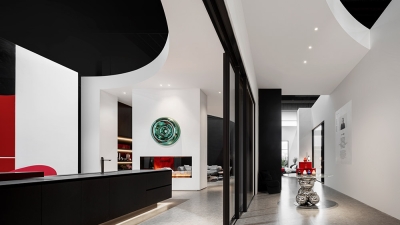
Today's fast-moving global market for Automatic Doors requires buyers to have a solid handle on import and export certifications if they want to navigate international trade without getting tangled. A recent industry report from Grand View Research puts the worldwide automatic door market on track to reach about $28.1 billion by 2025, fueled by growing demand for convenience and stronger security in both commercial and residential settings. Zhichu Construction Technology (Guangdong) Co., Ltd. sits at the leading edge of this space, building a reputation as a high-end minimalist narrow-edge system for doors and windows since 2009. After a strategic shift that brought its footprint back from overseas markets to China in 2015, Zhichu has shown the innovation and know-how needed to meet the strict certification standards for automatic doors. This guide aims to shed light on the different types of automatic door products and the certifications they require, offering practical insights for buyers around the world.

Understanding Automatic Door Certifications: Importance for Global Buyers
 Getting a handle on automatic door certifications: why they matter when you're buying for a global audience
Automatic doors are more than just a convenience - they boost accessibility and security across offices, factories, shops, and homes. For buyers around the world, knowing which certifications apply is crucial. It helps you stay compliant with safety standards and local rules. A recent look at the market from ResearchAndMarkets.com suggests the global automatic door market could hit about $29.2 billion by 2027, underscoring growing demand for products that not only work well but also meet regulatory requirements.
Certifications like EN 16005 (Europe) and ANSI/BHMA A156.10 (North America) aren't just bureaucratic checkmarks - they are signals of quality and safety. When doors are certified, you have independent testing that shows performance and risk mitigation, which lowers the chance of accidents and liability. Companies that prioritize certified products tend to come across as more trustworthy and capable in the eyes of customers - standards like these reflect a genuine commitment to safety.
Here are a couple of practical tips:
- When you’re sourcing, ask suppliers for detailed certification records. It makes it easier to verify compliance and compare products objectively.
- Don’t overlook regional differences - regulations can vary a lot from one market to another.
And a quick tip to stay ahead: subscribe to industry newsletters, like those from the
Automatic Door Manufacturers Association (ADAMA). Keeping an eye on trends and any certification changes will help you make smarter procurement decisions.
Key Certifications to Look for in Automatic Door Products
When you’re navigating the global market for automatic doors, knowing the right certifications is crucial to making sure the product is safe and meets the industry standards. For buyers looking to import into Europe or North America, CE and UL are especially important. The CE marking shows the product meets European safety, health, and environmental protection requirements, which is essential if you want to distribute anywhere in the EU. Likewise, UL certification gives you confidence that the door has been tested and complies with specific safety and performance criteria in the United States.
Beyond that, ISO certifications matter for judging a manufacturer’s overall quality management. ISO 9001, for example, focuses on consistent product quality and customer satisfaction, making it a valuable mark for buyers who want reliable automatic-door products. And if a product carries ANSI certification, you’re meeting the performance standards set by the American National Standards Institute, something particularly relevant in commercial settings. With globalization continuing to push boundaries, being familiar with these certifications helps buyers make smarter choices and source safe, reliable, high-quality automatic door solutions.
How to Identify High-Quality Manufacturers: Key Features and Qualifications
In today's competitive market, global buyers really need to identify high-quality manufacturers for automatic doors. When evaluating suppliers, look for industry certifications like ISO 9001 for quality management and CE marking to show EU compliance. A recent International Door Association report notes that companies with these certifications consistently have lower defect rates, which means you're more likely to get reliable products. And manufacturers with a solid safety and quality track record often come across as more credible in the market. Another big thing to check is production capacity and technological capabilities. Industry analysis shows that firms using advanced automation and lean manufacturing techniques are better positioned to meet shifting demand. A study published in the Journal of Manufacturing Science found that these methods boosted production efficiency by about 30% and reduced lead times by roughly 25%. By focusing on these qualifications and capabilities, buyers can not only find dependable suppliers but also take solid steps toward securing products that meet their operational needs in an ever-evolving market.

A Comparative Analysis of Leading Automatic Door Brands and Their Certifications
When you're looking at the automatic door market, you quickly realize that knowing the certifications of the top brands matters a lot for buyers around the world who want quality and peace of mind. Lately, demand for automatic doors has jumped, thanks to their convenience and accessibility features. A recent market study puts the global automatic door market on track to grow about 7.5% annually from 2023 through 2028, highlighting why choosing certified products that meet international safety and quality standards is a smart move.
Top players in the automatic door space have earned a range of certifications that boost their credibility and appeal. For example, ISO 9001 for quality management and CE marking for EU compliance are common among the leaders. A side-by-side look shows that brands with robust certification packages tend to deliver greater reliability and higher customer satisfaction. What's more, new evaluations indicate that certified doors can improve energy efficiency and cut operating costs, aligning with the industry's shift toward sustainability in building design. So, if you're in the market for automatic doors, prioritizing certified brands helps you get quality, compliance, and environmental responsibility all in one package.
Navigating the Import Process: Essential Steps for Global Buyers
When you're navigating the import process for automatic doors, there are a few key steps you should keep in mind to stay compliant and keep things moving smoothly. First off, get a solid handle on the different certifications—safety, energy efficiency, and the like. These aren’t just bureaucratic boxes to tick; they boost product credibility in overseas markets too. For a smoother import journey, do thorough research on the certifications required in your target market since rules can vary a lot from one region to another. It’s also smart to team up with local experts who genuinely understand the regulations and standards in the country you’re shipping to. Zhichu Construction Technology (Guangdong) Co., Ltd., founded in 2009, has benefited a lot from this kind of know-how, successfully moving from international to domestic markets. Another piece of the puzzle is documentation. Make sure all paperwork—bills of lading, invoices, packing lists, and so on—is complete and accurate. Any missing or wrong information can slow things down at customs. Partnering with a reliable shipping company can help streamline the process even more, letting companies like Zhichu—renowned for their high-end minimalist, narrow-edge doors and windows—keep their focus on quality while they handle global distribution efficiently.
Automatic Door Import and Export Certifications Overview
Best Practices for Verifying Manufacturer Credentials and Certifications
When you're dealing with international suppliers for automatic doors, it's smart to start by checking who you're really dealing with—credentials and certifications matter. A market analysis from Grand View Research in 2023 projected the automatic door market to reach about $27.8 billion by 2028, which underscores growing demand and the need to buy from reputable manufacturers. A practical first step is to request ISO 9001 certification; that's a solid signal of a commitment to quality management. It’s also worth confirming that the manufacturer complies with CE marking standards, so you know the products meet EU safety and performance requirements.
And don’t overlook third‑party verification services—they can significantly boost your due diligence. The ISO reports that companies using these services can reduce fraud risk by up to 30%. If you're importing from regions with laxer regulations, consider doing site visits or arranging virtual audits. By sticking to these best practices, global buyers can reduce a lot of the risk tied to automatic door imports and build lasting, trustworthy partnerships.
Comprehensive Guide to Best Automatic Door Import and Export Certifications for Global Buyers
| Certification | Issuing Body | Applicable Standards | Validity Period | Requirements |
| ISO 9001 | International Organization for Standardization | Quality Management Systems | 3 years | Auditing & compliance requirements |
| CE Marking | European Union | Safety, Health & Environmental Protection | Varies based on product | Technical documentation & testing |
| UL Certification | Underwriters Laboratories | Product Safety Standards | Annually | Testing and inspections |
| BIS Certification | Bureau of Indian Standards | Quality and Safety Standards in India | 5 years | Testing & factory inspections |
| IK Rating | IEC (International Electrotechnical Commission) | Impact Resistance Standards | Varies based on product | Testing against impact damage |
Maximize Your Space: The Benefits of OD.L160Y Hidden Series Narrow Edge Sliding Doors
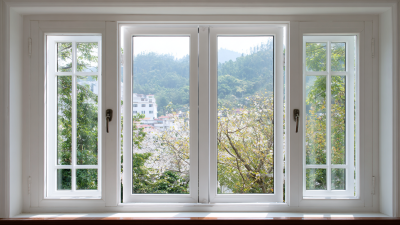
Maximizing your space has never been easier with the innovative OD.L160Y Hidden Series Narrow Edge Sliding Doors. This cutting-edge product transforms living spaces into seamless continuities between indoors and outdoors, marrying aesthetics with functionality. With a minimal visible surface of just 24.6mm and an impressive daylighting rate of 96%, these doors not only enhance natural light flow but also maintain an unobtrusive design that harmonizes with modern architectural trends.
The OD.L160Y sliding doors feature a unique hidden track system that allows for a barrier-free experience, ensuring that spaces remain fluid and accessible. This feature is particularly beneficial in environments where mobility is key; wheelchairs can navigate effortlessly, further supporting inclusive design principles. According to a report by the National Association of Home Builders, homes that prioritize accessibility can increase their market value by as much as 25%. The integrated drainage system also ensures that aesthetics aren't compromised by performance, as it efficiently channels water away to maintain both style and function.
In luxury villa designs, the transparent aesthetic is paramount, and the OD.L160Y doors excel here by creating a striking visual impact that brings the outside in. Design experts at the American Institute of Architects highlight the importance of biophilic design, stating that the incorporation of natural elements through unobstructed views can drastically improve residents' well-being. These sliding doors embody the essence of “hidden in form and refined in interior,” allowing homeowners to experience their surroundings fully while enjoying the refined comfort of modern living.
FAQS
: Key qualifications include industry certifications such as ISO 9001 for quality management systems and CE marking for compliance with EU standards.
These certifications indicate a manufacturer’s commitment to quality management and compliance with safety and quality regulations, leading to lower defect rates in products.
Manufacturers with advanced automation and lean manufacturing techniques are better equipped to meet market demands, resulting in higher production efficiency and shorter lead times.
Companies using advanced methodologies have reported a 30% increase in production efficiency and a 25% reduction in lead times.
The global automatic door market is expected to grow at a CAGR of 7.5% during this period.
Brands with comprehensive certification packages tend to demonstrate greater product reliability and improved customer satisfaction.
Certified automatic doors can enhance energy efficiency and significantly reduce operational costs, aligning with sustainability goals.
Focusing on certified brands ensures a balance of quality, compliance, and environmental responsibility, leading to dependable product choices.
A proven track record of adherence to safety and quality regulations enhances a manufacturer's credibility and reliability in the market.
By prioritizing manufacturers with key certifications, advanced production capabilities, and a solid track record, buyers can secure products that meet their operational requirements.

 REFERENCES
 STORIES
 INTRODUCTION
 HISTORY
 PRODUCT FILMS
 BIM & CAD