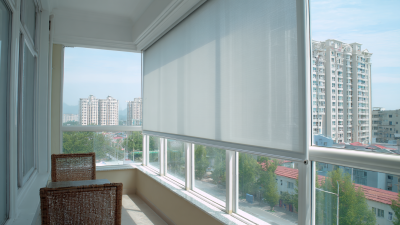
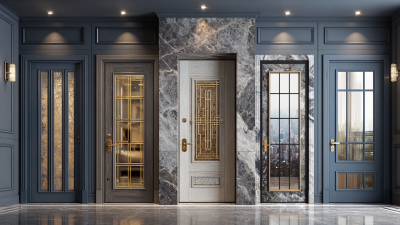
Picking a supplier for a Frameless Sliding door isn’t just about glancing at product pictures online. Things like glass thickness, how the tracks are designed, the hardware quality, and the support you get during installation all really impact how well the door performs day to day. I mean, a door might look almost invisible in a showroom, but after a few months of use, it might make noise or be pretty tricky to slide open smoothly. Those little details actually matter a lot.
This guide takes a look at some of the top suppliers around the world and points out what buyers should really check out. We’ll talk about their product range, customization options, technical info they publish, service coverage, and whether they have experience with homes or commercial spaces. Remember, frameless sliding systems come in different setups, so it’s crucial to compare specs based on your opening size, how much traffic you expect, and local installation conditions. Sure, a supplier’s reputation is helpful, but it’s not a substitute for verifying things specific to your project. Be sure to ask for detailed drawings, finish samples, and clear info on maintenance and warranty details.
The term Frameless Glass Door Sliding covers quite a range, from small interior partitions to large glass panels with exposed or hidden tracks. Not every supplier covers every market, and sometimes availability depends on regional distributors, which can make comparing options a bit tricky. This overview aims to highlight trusted choices, not to declare one perfect winner. It’s best to confirm current product details directly with each supplier and, if possible, check out finished installations. A glossy catalog is useful, but honestly, the real test is how the door performs in the actual space where it’ll be installed.
What Is a Frameless Sliding Door?
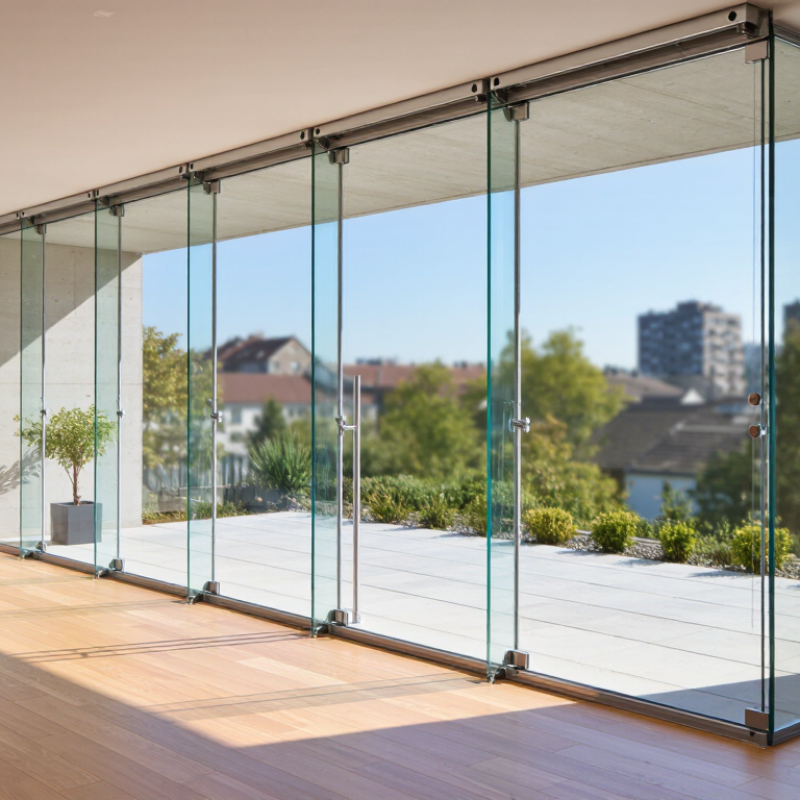
A frameless sliding door uses large glass panels that move along a track without visible vertical frames. The glass usually has polished edges and carefully fitted hardware. It looks almost weightless. Yet the system depends on strong rollers, precise alignment, and stable mounting points.
Unlike a framed door, this design leaves more glass visible and allows daylight to pass through with fewer visual barriers. Tempered or Laminated Safety Glass is commonly selected for homes, offices, bathrooms, and hospitality spaces.
Clear seals help reduce water entry, while soft-closing components can limit sudden impacts. From practical installation experience, small track errors can cause noticeable rattling. The “frameless” label can also mislead; handles, rollers, seals, and slim top channels still remain visible.
When comparing worldwide suppliers, buyers should examine glass specifications, tested load limits, track materials, replacement-part access, and installation guidance. Product drawings should show tolerances, drainage details, and the required wall structure.
Reliable suppliers explain these points clearly instead of promising a universal solution. I would also request performance samples or project references, especially for wide panels and frequent-use entrances. Some systems appear elegant in photographs but feel heavy or noisy on site. Maintenance instructions matter too, because dust inside the track can affect movement over time. The best choice depends on climate, opening size, usage frequency, and local installation skill.
How Do Frameless Sliding Doors Work?
Frameless Sliding Glass Doors create a wide, open view without heavy vertical frames. Their movement depends on carefully balanced hardware. Each glass panel connects to rollers, usually placed along a top track or bottom track. The rollers carry the panel while guiding it across the opening. Some systems use both tracks for improved stability.
The glass must be measured precisely before installation. Small errors can cause dragging, vibration, or uneven gaps. Tempered or laminated safety glass is commonly selected for strength and impact resistance. A professional installer checks wall levels, track alignment, drainage, and fixing points. This practical inspection matters more than attractive product images.
Most panels overlap when closed, forming a tighter barrier against air and water. Brush seals, rubber gaskets, and interlocking edges can reduce drafts. Soft-closing devices slow the panel near its final position. That feels smoother, but it still requires correct adjustment. Poorly aligned rollers may wear quickly.
Maintenance is simple, not effortless. Dust can collect inside the lower track. Clean it regularly with a soft brush and mild cleaner. Avoid forcing a panel that feels stuck. The cause may be debris, settlement, or hardware damage. In my experience, smooth operation depends as much on installation quality as on the door design. That point is easy to underestimate.
What Are the Top Frameless Sliding Door Suppliers Worldwide? - How Do Frameless Sliding Doors Work?
Supplier-neutral overview: this table describes common frameless sliding-door systems and practical supplier-selection criteria. It is not a ranked list of companies. Specifications vary by design, market, and project requirements.
| System or Evaluation Area | How It Works | Typical Data or Options | What to Check When Selecting a Supplier |
| Top-hung sliding system | Rollers attached to the glass panel run inside an overhead track. The track carries the panel’s weight, while a floor guide helps control sideways movement. | Common for interior partitions and shower enclosures. Track, roller, and glass capacity must be specified together for the panel size and weight. | Ask for the rated panel weight, compatible glass thickness, track material, fixing details, and installation instructions. |
| Bottom-rolling sliding system | Wheels or rollers support the panel at the floor or sill, while an upper guide keeps it aligned as it slides. | May be suitable where overhead fixing is limited. The floor track or sill needs a stable, level installation surface. | Check drainage and cleaning requirements for wet areas, floor-track accessibility, and the method used to prevent panel derailment. |
| Tempered safety glass | Heat-treated glass is used to improve resistance to impact and thermal stress compared with ordinary annealed glass. If it breaks, it typically fragments into small pieces. | Common project specifications include 8 mm, 10 mm, or 12 mm glass; the suitable thickness depends on panel dimensions, hardware, and applicable codes. | Confirm glass type, thickness, edge finishing, safety certification, and whether holes or cut-outs are made before tempering. |
| Panel and track arrangement | One or more panels slide along parallel or single tracks. Some layouts allow a panel to park beside a fixed glass panel or another sliding panel. | Configurations include single sliding panels, fixed-plus-sliding panels, and multi-panel systems. Clear opening depends on the layout and panel overlap. | Request a dimensioned drawing showing opening width, panel overlap, clear passage width, and required wall or ceiling fixing points. |
| Rollers, guides, and soft-close hardware | Rollers carry or guide the moving panel. Optional soft-close units slow the panel near the end of travel; floor guides limit lateral movement. | Hardware may be stainless steel, aluminum, or other specified materials. Soft-close availability and load ratings differ by system. | Check corrosion suitability for the installation environment, replacement-part availability, adjustment access, and tested cycle or load data. |
| Safety and compliance documentation | Applicable glass-safety rules and building requirements depend on the country, location, and intended use of the door. | Examples of relevant references include EN 12150 for thermally toughened soda-lime silicate safety glass in Europe and ANSI Z97.1 or CPSC 16 CFR 1201 in the United States. | Ask which standards apply to the project and request current test reports or certificates for the specified glass and hardware combination. |
| Manufacturing and project support | A supplier may provide glass processing, hardware, technical drawings, packaging, and installation guidance as a coordinated package. | Lead time, shipping method, made-to-measure tolerances, installation support, and warranty terms vary by supplier and destination. | Compare sample drawings, packing specifications, quality checks, spare-parts support, warranty coverage, and experience with the project’s local requirements. |
What Factors Define a Leading Supplier?
A leading frameless sliding door supplier is defined by more than attractive product images. Experience matters. Suppliers should understand wind exposure, coastal moisture, temperature changes, and frequent daily use. I have seen impressive doors fail when drainage details were ignored.
For Frameless Sliding Patio Doors, engineering quality is essential. Precise glass alignment supports smooth movement and safer operation. Durable rollers should handle repeated cycles without excessive noise. High-performance seals help reduce drafts, water entry, and outdoor noise. A reliable supplier provides clear glass specifications, load information, installation drawings, and maintenance instructions. Independent testing adds credibility, especially when performance claims involve insulation, air leakage, or water resistance.
Communication also separates strong suppliers from ordinary ones. They ask about opening sizes, wall structure, local climate, and project timing before recommending a system. Customization is useful, but uncontrolled customization can create delays. That risk deserves honest discussion. Suppliers should offer realistic lead times, replacement parts, trained technical support, and written warranty terms. Responsive after-sales service matters when a panel needs adjustment months later. Small details count. Some suppliers still overlook packaging, labeling, or installer training. These weaknesses may not appear in a showroom, yet they can affect the entire installation experience.
What Defines a Leading Frameless Sliding Door Supplier?
A practical supplier evaluation framework
The percentages represent an illustrative buyer-assessment model, not measured market data or ratings of specific suppliers. Prioritize verified safety and compliance documentation, then assess product quality, customization, installation support, delivery reliability, and after-sales service for your project and local requirements.
Which Frameless Sliding Door Suppliers Serve the Global Market?
Global frameless sliding door suppliers serve residential, hospitality, retail, and commercial projects across multiple regions. Their experience often covers custom dimensions, heavy glass panels, and challenging installation conditions. A capable supplier should provide a complete Frameless Sliding Door System, not only the visible glass and rollers.
Reliable manufacturers usually offer tempered or laminated safety glass, corrosion-resistant hardware, and tested load capacities. They should also explain track tolerances, wall requirements, drainage details, and maintenance access before production begins. Suppliers serving international markets often provide technical drawings, installation manuals, replacement parts, and remote support for local contractors.
Regional suppliers may respond faster and understand local construction practices. International suppliers can offer broader engineering resources and more consistent production standards. However, distance may complicate communication, shipping damage claims, and after-sales service. No supplier is perfect. Some catalogs look impressive but provide limited testing evidence or unclear warranty terms.
Project buyers should request recent installation references, sample hardware, performance documentation, and packaging details. Ask how the supplier handles uneven floors or oversized panels. A serious partner will discuss these risks openly, even when the answer is inconvenient. Price matters, but stable tolerances, dependable components, and responsive technical support often influence the final installation more than the initial quotation.
How Do Supplier Products and Services Compare?
Supplier products differ in glass options, track design, hardware, and installation flexibility. Some offer slim aluminum frames around fixed panels, while others provide fully frameless systems with exposed clamps. Compare glass thickness, edge finishing, handle choices, and tested load limits rather than relying on appearance alone. For Frameless Sliding Doors External, ask how the system manages wind, rain, and drainage at the threshold. A showroom sample can reveal finish quality, but it cannot prove long-term performance.
Service matters just as much as the door itself. Strong suppliers provide measured drawings, clear installation guidance, and replacement-part support. Ask whether site measurements are included and who checks opening dimensions before production. Confirm lead times, warranty coverage, and what happens if panels arrive damaged. These details sound ordinary. They prevent costly surprises. I would also ask for project references with similar opening sizes; a supplier experienced with small residential doors may not have the same expertise with wide exterior spans.
Tips: Request hardware specifications and a written maintenance schedule. Check that rollers are accessible for cleaning, and test the locking action on a full-size sample. A beautiful system can still feel awkward in daily use.
What Should Buyers Consider Before Choosing a Supplier?
What Are the Top Frameless Sliding Door Suppliers Worldwide?
Choosing a frameless sliding door supplier requires more than comparing glossy product photos. Check the supplier’s glass specifications, hardware tolerances, and installation guidance. Tempered or laminated safety glass should have clear test documentation. Ask how panels perform under repeated opening, humidity, and temperature changes. A reliable supplier should provide measurable load limits, not vague claims.
Experience matters during site evaluation. Request drawings showing wall structure, floor levels, drainage, and handle positions. I once reviewed a project where the doors looked excellent, but uneven flooring caused difficult movement. The supplier had not identified this risk early. That mistake cost time and additional installation work. Ask for references from similar projects, preferably with large openings or coastal conditions. Communication also matters. Delayed answers before purchase may become serious problems after delivery.
Tips: Compare at least three written quotations. Confirm lead times, packaging, spare parts, warranty terms, and technical support. Ask who handles breakage during shipping. Request a sample corner or hardware finish when possible. Visit a completed installation if practical. Do not choose the lowest price automatically. A cheaper system may require custom adjustments later, and those costs are easy to underestimate. Evaluate the supplier’s response quality, documentation, and willingness to admit limitations. Perfect promises deserve careful questions.
Designing Seamless Spaces with the OD.L160Y Hidden Series Narrow Edge Sliding Door
## Designing Seamless Spaces with the OD.L160Y Hidden Series Narrow Edge Sliding Door
The 160Y hidden series narrow-edge sliding door brings together a minimal appearance and carefully integrated functionality. Its slim 24.6 mm visible frame and 96% daylighting rate help preserve expansive views, while concealed tracks and an integrated closing design create a clean transition between indoors and outdoors. With no raised track interrupting the floor, the threshold is barrier-free, allowing wheelchair users to move through smoothly and making everyday circulation feel more natural.
Practical performance is built into the discreet design. The lower-track drainage system is concealed within the profile, helping manage water efficiently without disrupting the door’s refined lines. Designed as a heavy-duty outdoor sliding door, it suits the open, light-filled spaces of luxury villas and can also meet the safety needs of enclosed high-rise balconies. As the track recedes from view, sunlight and scenery appear to flow across the threshold, making the door a quiet connection between home and the outdoors.
FAQS
A complete system should include glass, rollers, tracks, hardware, drawings, and installation guidance. Visible glass alone is not enough.
Tempered or laminated safety glass is commonly specified. Ask for clear test documents and panel load limits.
Compare at least three written quotations. Check dimensions, lead times, packaging, spare parts, warranty terms, and technical support.
Confirm wall structure, floor levels, drainage, track tolerances, handle positions, and maintenance access. Small gaps can cause large installation problems.
Uneven flooring may make panels difficult to move. Request site drawings and adjustment details before ordering oversized glass panels.
References reveal how the supplier handles large openings, humidity, and coastal conditions. A completed project can show details photographs miss.
Ask who manages breakage claims and how panels are packaged. Strong corner protection and clear inspection procedures matter.
Regional suppliers may respond faster and understand local construction methods. International suppliers may offer broader engineering resources and consistent production.
No. A cheaper system may need later adjustments, replacement parts, or extra installation labor. The final cost can surprise you.
Unclear warranties, vague testing claims, and slow replies deserve careful questions. No supplier is perfect. Perfect promises can be risky.
Conclusion
Frameless Sliding doors combine large glass panels with minimal visible framing, creating a clean, modern appearance while improving natural light and visual connection between spaces. They typically operate through precision rollers, top or floor-guided tracks, and carefully engineered panels that move smoothly along a fixed path. Their performance depends on accurate installation, balanced hardware, durable glass, and appropriate safety features.
A leading supplier should provide reliable product quality, customization options, technical guidance, installation support, and dependable after-sales service for different markets. Global suppliers may vary in panel sizes, track systems, glass specifications, thermal performance, acoustic control, and design flexibility. Before choosing a supplier, buyers should evaluate project requirements, climate conditions, building regulations, maintenance needs, delivery capability, warranty terms, and total cost. Comparing samples, certifications, installation expertise, and long-term service can help ensure that the selected Frameless Sliding solution is safe, practical, visually consistent, and suitable for the intended application.

 CASE
 NEWS
 INTRODUCTION
 HISTORY
 PRODUCT FILMS
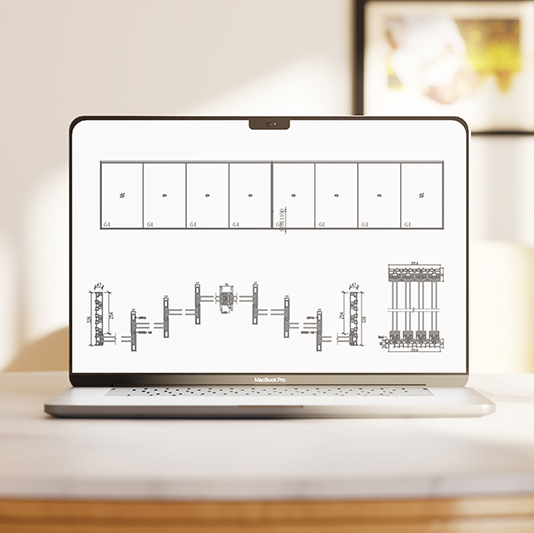 BIM & CAD
 +86 180 3872 3256
 Email