Leave Your Message
0%

Choosing Black Window Panes in 2026 isn’t just about matching a bold exterior color — there’s more to it. You’ll want to think about balancing looks, energy efficiency, durability, and the specific conditions where they’ll be installed. Black frames can really make a striking contrast against brick, pale render, timber, or concrete, which is pretty awesome. But at the same time, dark frames tend to show dust, water spots, and scratches more easily, and trust me, that detail really does matter when you're going for that sleek look.

In this guide, we’ll dive into different frame materials, glazing options, thermal performance, maintenance stuff, and what’s trending design-wise these days. We’ll also touch on how intense sunlight, especially on big south-facing windows, can impact those dark finishes. When shopping around, keep an eye out for tested performance data, warranties that make sense, and installation instructions from reputable manufacturers. Independent certifications are also helpful—they let you compare insulation ratings and how well the window keeps air leakage at bay. Remember, your local climate and building codes should be the final say in your decision.

And yeah, samples can be a bit deceiving. Showing off a tiny piece in a showroom isn’t the same as seeing it in full sunlight on a big wall. It’s worth asking for a larger sample, and if possible, check it out outside during different times of the day — morning, afternoon, you name it. Make sure the frame blends nicely with your roof, doors, and other hardware around the house. Sometimes, matching perfectly isn't necessary; a bit of controlled contrast can actually look more intentional and stylish. That said, some considerations depend on your environment. For example, if you live close to the coast, deal with high humidity, or get a lot of UV exposure, you might need different coatings or more frequent maintenance. Before you place an order, it’s a smart idea to have an experienced installer go over drainage, flashing, glass weight, and your wall setup. A little extra planning now can save you from costly changes down the line — though no product is perfect and risks are always there. Hopefully, this gives you a practical starting point to compare black window panes confidently, while still keeping in mind that some project-specific tweaks will be needed along the way.

How to Choose Black Window Panes for Your Project in 2026?

Define Black Window Panes and Their Main Applications

How to Choose Black Window Panes for Your Project in 2026?

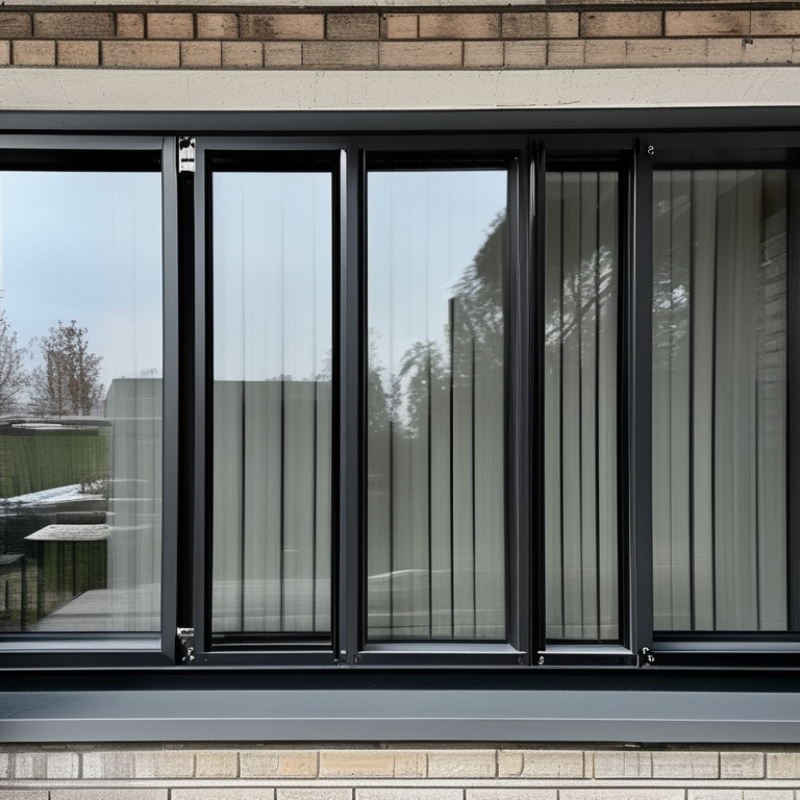
Black window panes usually refer to dark-framed windows, not entirely black glass. The frame may use powder-coated aluminum, painted timber, or composite materials. Dark glazing is different. It can include tinted, reflective, or opaque glass. This distinction matters because appearance, daylight, heat gain, and privacy can change significantly.

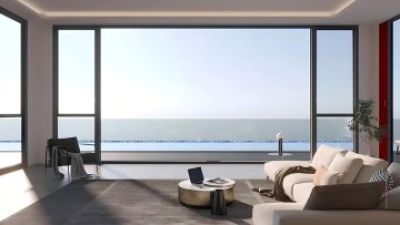
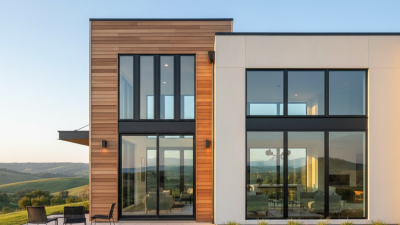
Black frames create strong outlines around clear glass. They suit modern homes, industrial renovations, office façades, interior partitions, and hospitality spaces. They also highlight narrow sightlines and large openings.

Performance should guide the visual decision.

The U.S. Department of Energy reports that windows can cause 25–30% of residential heating and cooling energy use. Therefore, black frames should be selected with insulated glazing, suitable low-emissivity coatings, and verified air leakage ratings.

25–30%

of residential heating and cooling energy use

The National Fenestration Rating Council evaluates U-factor and Solar Heat Gain Coefficient, or SHGC, through standardized labeling. A lower U-factor generally improves insulation. A lower SHGC can reduce unwanted summer heat. Not every black window performs equally.

Climate changes the specification.

A sunny room may need low-SHGC glass, exterior shading, or thermally improved frames. A shaded northern elevation may benefit from higher solar gain.

Dark surfaces can also reveal dust, scratches, and sealant imperfections more clearly. I have seen attractive samples look harsh after installation. Mock-ups in real daylight are worth the extra effort. Check condensation risks, maintenance access, sightline width, and local energy requirements before approving the final schedule.

(Sources: U.S. Department of Energy Energy Saver; NFRC Fenestration Labeling Program.)

Compare Frame Materials, Glass Types, and Black Finishes

Choosing black window panes in 2026 involves more than matching a modern façade. Frame material affects strength, maintenance, and heat movement. Aluminum offers slim sightlines and good structural performance, but dark surfaces can become hot in strong sunlight. Fiberglass resists expansion well and suits large openings. Wood provides warmth, yet it needs regular sealing, especially around exposed edges. uPVC can reduce maintenance, although its profiles may look heavier.

Glass selection should support the frame, not merely decorate it. Low-emissivity double glazing can improve insulation and reduce indoor heat gain. In noisy areas, laminated glass may provide better sound control and added safety. Ask for solar-control performance when the windows face west. Dark frames can intensify glare around bright glass. Small details matter.

The finish also changes long-term appearance. Powder-coated surfaces usually provide consistent color and scratch resistance. Anodized finishes create a more metallic character, but color ranges can be limited. If you are Painting Window Frames Black, prepare the surface carefully and use a coating designed for the frame material. Poor preparation causes peeling. I would rethink painting older frames without checking drainage, seals, and thermal movement first.

Tips: View samples outdoors, not only under showroom lights. Compare black finishes beside your wall color. Check glass specifications, not just appearance. Confirm cleaning access for tall panes. Leave room for touch-ups; even excellent finishes can mark during installation.

Assess Climate, Energy Performance, and Building Orientation

How to Choose Black Window Panes for Your Project in 2026?

Black Window Frames Exterior can sharpen a façade, but appearance should follow climate analysis. The U.S. Department of Energy reports that windows cause roughly 25–30% of residential heating and cooling energy use. In hot climates, dark frames may absorb intense solar radiation, raising frame temperatures and stressing seals. Specify thermally broken frames, insulated glazing, and low-e coatings suited to local conditions. Dark frames get hot.

Orientation changes everything. The U.S. Department of Energy recommends controlling south-facing solar gain with shading, while north-facing windows usually provide softer, more consistent daylight. East and west elevations deserve extra caution because low morning and afternoon sun is difficult to block. I would test each elevation with seasonal solar simulations, not rely on a showroom sample. A black finish can look calm beneath winter clouds, then feel visually harsh beside strong summer glare.

Compare tested U-factor and solar heat gain coefficient values through the National Fenestration Rating Council system. Lower U-factor generally limits heat transfer, while SHGC must match the climate and window direction. The 2023 International Energy Conservation Code also uses climate-zone performance requirements, making local compliance essential. Field installation matters too; small gaps around the frame can undermine excellent laboratory ratings. The details are easy to underestimate. I would review condensation risk, shading depth, and interior surface temperatures with the project’s energy consultant before approving the final profile.

Measure Openings and Determine the Right Pane Configuration

When choosing black window panes for a project in 2026, accurate measurements should come before style decisions.

Begin with the rough opening, not the existing pane. Measure the width at the top, middle, and bottom. Repeat this process for the height on both sides and in the center. Record the smallest measurements. This creates a safer installation allowance.

Measure both diagonals to check whether the opening is square. If they differ noticeably, the frame may need adjustment. A level and a straightedge can reveal bowed walls or uneven sills. Do not guess.

Small errors can create visible gaps around dark frames. Check the wall depth, interior trim, exterior cladding, and drainage path before selecting the final unit.

Next, determine the right pane configuration.

A single wide pane offers a clean view but may require thicker glass and stronger support. Two or three narrower panes can improve handling and create balanced vertical lines. Fixed panes suit areas that need light and views. Operable panes support ventilation but require clearance for handles and screens. Include mullions in your layout; they reduce the visible glass area.

Black surfaces absorb more solar heat than pale finishes. Ask for tested thermal and structural data for the selected size. Allow space for movement around the frame.

I once measured only the widest point and ordered a unit that needed costly alterations. That mistake was avoidable. Recheck every number before ordering, and keep a dated measurement sheet for the installer.

Match Black Window Panes to Architectural Styles and Interiors

Black window panescan sharpen a home’s character, but their success depends on architectural style, daylight, and interior materials. For a modern farmhouse, choose narrow divided panes with warm oak, linen curtains, and handmade tile. The contrast feels inviting rather than severe. In a Minimalist Home, larger uninterrupted panes create cleaner sightlines and stronger outdoor views. Keep the details quiet.

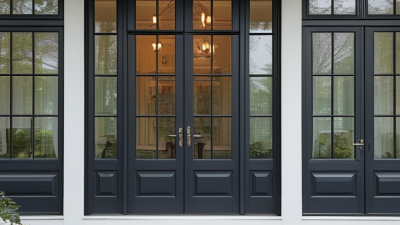
Traditional properties need careful proportion. Very wide black frames may overpower decorative brick, stone, or classical trim. Slim profiles usually preserve the building’s original rhythm. For industrial interiors, stronger grids can echo steel furniture, exposed brick, and concrete floors. Black Glass Sliding Doors also work well here, especially when they connect a dark kitchen to a bright terrace. Check the track finish closely. Small hardware details matter.

Inside, repeat black sparingly through cabinet handles, lighting, or picture frames. Too much black can make a narrow room feel visually heavy. I once preferred a dramatic frame sample, then noticed it absorbed evening light beside walnut flooring. The room needed softer contrast. Test full-size samples against walls and fabrics during morning and late afternoon. Cloudy daylight changes everything. A trusted installer should also verify sightlines, drainage, glass performance, and frame proportions before ordering. Mistakes are expensive.

Review Installation, Maintenance, Durability, and Project Costs

Choosing Black Replacement Windows in 2026 starts with the opening, not the color chart. Measure width, height, sill depth, and wall condition twice. A dark frame can sharpen a pale facade, but it also shows dust and scratches quickly. For replacement work, installers should inspect hidden rot, flashing, and drainage paths before removing the old unit. I have seen rushed fitting create cold edges and water stains after one wet season. Use low-expansion foam, level shims, and continuous exterior sealing. The frame must open smoothly before the trim is sealed.

Tips: Request an itemized installation estimate. Separate window cost, labor, disposal, trim repair, and interior repainting. Ask how the frame finish resists ultraviolet exposure and temperature changes. Confirm the glass configuration suits your climate and room orientation. A west-facing bedroom may need stronger solar control than a shaded hallway. Keep a small repair allowance. Existing walls rarely behave perfectly.

Maintenance is simple, but not optional. Wash frames with mild soap and inspect joints each spring. Clear weep holes with a soft brush, never a sharp tool. Check seals when drafts, fogging, or rattling appear. Durable finishes reduce repainting, yet durability depends on installation quality and exposure. Compare expected service life, warranty terms, energy performance, and future repair access. The lowest quote may win today and cost more later. I would also test one sample frame in afternoon light; black can look warmer or harsher than expected.

How to Choose Black Window Panes for Your Project in 2026? – Review Installation, Maintenance, Durability, and Project Costs

Evaluation Dimension Typical Data or Specification What to Check Before Purchase Project Impact and Recommendation
Frame Material Vinyl, aluminum, fiberglass, or wood-clad construction Confirm thermal-break design, frame depth, drainage paths, corner strength, and compatibility with the wall system. Vinyl generally offers a lower initial cost and low maintenance. Fiberglass and thermally broken aluminum can provide greater rigidity for large black window units.
Black Finish Factory-applied exterior coating or integral dark-colored material Ask for a finish suitable for exterior exposure, color-consistency information, and cleaning instructions. Avoid field painting unless the manufacturer permits it. Dark surfaces absorb more solar heat than light surfaces. A factory-applied finish and appropriate glass package can help reduce fading, warping, and heat-related stress.
Glass Configuration Double-pane or triple-pane insulated glass with low-emissivity coating Review the whole-window U-factor and solar heat gain coefficient rather than judging performance from center-of-glass values alone. Double-pane glass is common for moderate climates. Triple-pane glass can improve insulation and sound control but usually increases weight and project cost.
Energy Performance Typical efficient residential targets: whole-window U-factor approximately 0.20–0.30 Btu/h·ft²·°F; lower values indicate better insulation. Compare U-factor, solar heat gain coefficient, visible transmittance, air leakage, and local energy-code requirements. Use a lower U-factor in heating-dominated climates. In cooling-dominated climates, select the solar heat gain coefficient according to orientation and shading conditions.
Solar Heat Gain Solar heat gain coefficient commonly ranges from about 0.20 to 0.55 for insulated residential glazing. Evaluate south-, east-, and west-facing windows separately. Check whether exterior shading, overhangs, or blinds are included in the design. A lower value can reduce summer cooling loads, while a higher value may provide useful passive solar heat in cold climates.
Installation Cost Typical replacement installation: approximately $150–$600 per window. New construction installation can vary by opening size and wall assembly. Obtain a written quote covering removal, disposal, flashing, insulation, interior and exterior trim, permits, and final adjustment. Large, heavy, specialty-shaped, or upper-story units can cost substantially more. Installation quality often affects air leakage and water resistance more than the frame color.
Window Unit Cost Common residential black window units may range from approximately $400–$2,000 or more per opening, excluding premium specialty designs. Compare equivalent sizes, opening styles, glass specifications, hardware, screens, grilles, and coating options. Use a whole-project allowance instead of a price-per-window assumption because size, configuration, access, and finish details strongly affect the final budget.
Total Project Budget Planning allowance for many residential projects: approximately $550–$2,600 or more per installed opening. Include design fees, structural modifications, weatherproofing, permits, interior repairs, exterior cladding repairs, and contingency. A contingency of about 10%–20% is practical for renovation work where concealed water damage or framing issues may be discovered.
Expected Service Life Approximately 20–40 years for many properly installed residential window systems; service life varies by material, climate, and maintenance. Review drainage design, seal quality, hardware availability, glass replacement options, and the terms of the product warranty. Correct installation, regular inspection, and prompt repair of failed seals or damaged flashing are major factors in achieving the expected service life.
Maintenance Frequency Clean glass and frames approximately twice a year, with additional cleaning in coastal, dusty, or high-pollution locations. Use mild soap, clean water, and a soft cloth. Avoid abrasive pads, harsh solvents, and unapproved pressure-washing methods. Black finishes show dust, pollen, water spots, and salt deposits more readily than lighter finishes, so visual cleaning may be needed more often.
Hardware Maintenance Inspect locks, hinges, rollers, weatherstripping, and weep holes at least annually. Confirm that moving parts operate smoothly and that exterior drainage openings remain clear. Routine adjustment and lubrication can reduce operating force, air leakage, and premature hardware replacement.
Durability in Hot Climates Dark frames can reach higher surface temperatures than light frames when exposed to direct sunlight. Check thermal movement allowances, finish suitability, frame reinforcement, glass edge temperatures, and installation clearances. Use a finish and frame system rated for the exposure. Provide proper expansion gaps and avoid unapproved dark exterior coatings on unsuitable substrates.
Durability in Coastal Areas Salt air accelerates corrosion of exposed metal components and can leave deposits on glass and frames. Specify corrosion-resistant hardware and compatible fasteners. Confirm the cleaning schedule and coastal exposure limitations. Rinse exposed surfaces with fresh water more frequently and inspect fasteners, tracks, weep holes, and finish damage regularly.
Weather Resistance Performance depends on air infiltration, water penetration, structural pressure, and installation details. Look for independently tested performance data and confirm that flashing, sill pans, sealants, and head protection match the wall construction. A high-performing window can still leak if it is installed incorrectly. Prioritize a qualified installer and a documented water-management plan.
Noise Control Insulated glass, laminated glass, asymmetric panes, and tighter air seals can improve sound reduction. Compare the complete assembly's tested sound ratings where traffic or neighborhood noise is a concern. Glass thickness and air-space design matter more than black color. Noise-control upgrades may increase weight and cost.
Best Choice for a Limited Budget Cost-conscious Standard-size double-pane units with durable factory finishes Keep sizes standard, limit specialty shapes, and compare complete installed quotes rather than product-only prices. Suitable when local climate requirements are met and the project prioritizes appearance, basic efficiency, and manageable maintenance.
Best Choice for Long-Term Performance Balanced Thermally improved frames with low-emissivity insulated glazing Verify whole-window energy data, installation details, drainage, hardware quality, and replacement-parts availability. Often provides a practical balance between energy performance, durability, appearance, and lifecycle cost.
Best Choice for Large Openings Higher specification Reinforced fiberglass or thermally broken metal frames with engineered glazing Check structural calculations, glass weight, deflection limits, transportation access, and professional installation requirements. Higher upfront costs may be justified for oversized fixed units, sliding doors, multi-panel systems, or exposed elevations.
Decision Checklist Climate, orientation, opening size, wall type, budget, maintenance tolerance, and design life Request a complete schedule showing dimensions, frame material, finish, glass makeup, energy data, installation scope, and warranty terms. Choose the window as part of the complete wall system. The best black window is the one that meets performance requirements without creating avoidable installation or maintenance problems.

Planning note: Cost ranges are general 2026 U.S. residential allowances in USD and can vary by region, project scale, labor rates, access conditions, window size, and specification. Confirm final performance and pricing with project-specific quotations and applicable local codes.

OD.60CV Series Narrow Edge Micro Ventilation Windows: Compact Design, Airflow, and Modern Comfort

Modern homes increasingly demand openness without sacrificing comfort or protection. The 60CV narrow-edge micro-ventilation window addresses this balance with a 130 mm ultra-slim frame, a column-free structure, and 3.0 mm reinforced profiles capable of supporting expansive panoramic glass. Natural light and outdoor views flow into the interior with minimal visual obstruction, creating a refined architectural frame. This approach also responds to broader building trends: according to the 2023 Global Status Report for Buildings and Construction, buildings consume approximately 30% of global final energy and contribute about 26% of energy-related emissions, making passive daylighting and efficient envelope design increasingly important.

Ventilation is supported by a high-transparency integrated screen and an indoor 360° breeze circulation concept, allowing fresh air and daylight to enter together. The small-area opening sash requires little indoor space, while an independent screen safety lock and limited opening range help reduce climbing risks for children. A removable anti-mosquito and anti-intrusion mesh simplifies maintenance without compromising visibility. Combined with a three-layer sealing structure, the system helps limit heat transfer, outside noise, and air leakage, supporting a quieter and more stable indoor environment. These features align with the World Health Organization’s emphasis on adequate ventilation and healthier indoor conditions, while maintaining the clean, compact appearance required by contemporary residential design.

FAQS

Which architectural styles suit black window panes?

Modern farmhouses often pair narrow black panes with warm oak, linen curtains, and handmade tile. The contrast feels welcoming. Minimalist homes usually benefit from larger uninterrupted panes and quiet surrounding details.

Can black frames work in traditional homes?

Yes, but proportion matters. Slim profiles usually preserve decorative brick, stone, and classical trim. Very wide frames may overpower the building’s original rhythm.

How can industrial interiors use black windows?

Stronger grids can echo steel furniture, exposed brick, and concrete floors. Sliding glass doors can connect a dark kitchen with a bright terrace. Inspect the track finish carefully.

How much black should appear inside a room?

Repeat black sparingly through cabinet handles, lighting, or picture frames. Too much can make a narrow room feel visually heavy. A few small details may be enough.

How should I test a black frame before ordering?

Place a full-size sample beside walls, fabrics, and flooring. Check it in morning and late-afternoon light. Cloudy daylight changes the impression. I once chose a dramatic sample, then noticed it absorbed evening light beside walnut flooring.

What should installers inspect during replacement work?

They should check the opening, sill depth, wall condition, hidden rot, flashing, and drainage paths. Measure width and height twice. Use level shims, low-expansion foam, and continuous exterior sealing. The frame must open smoothly before trim is sealed.

What costs should an installation estimate include?

Request separate figures for the window, labor, disposal, trim repairs, and interior repainting. Keep a small repair allowance. Existing walls rarely behave perfectly. The lowest quote may cost more later.

How do I maintain black Window Frames?

Wash them with mild soap each spring. Clear drainage holes with a soft brush, never a sharp tool. Check seals if drafts, fogging, or rattling appear. Maintenance is simple, but not optional.

What affects the durability of black window frames?

Exposure, installation quality, ultraviolet resistance, temperature changes, and glass selection all matter. A west-facing bedroom may need stronger solar control than a shaded hallway. Compare service life, warranty terms, energy performance, and repair access. Durability is not only about the finish.

Conclusion

Choosing Black Window Panes in 2026 requires more than selecting a dark frame color. This guide explains their main uses in residential, commercial, and renovation projects, then compares frame materials, glass options, and black finishes for appearance, strength, and long-term performance. It also examines local climate, energy efficiency, sun exposure, and building orientation so you can select glazing that supports comfort and reduces unnecessary heat gain or heat loss.

Accurate measurements are essential for deciding between fixed panes, operable windows, grouped configurations, and custom sizes. The article also shows how Black Window Panes can complement modern, industrial, traditional, and Minimalist Architecture, as well as different interior palettes. Finally, it reviews installation requirements, cleaning, finish durability, expected maintenance, and total project costs, helping you balance style, performance, practicality, and budget before making a confident selection.

Lydia

Lydia

Lydia is a dedicated marketing professional at Oday, a high-end minimalist narrow-edge system door and window company established in 2009. With a robust background in sales and technical services, she possesses an exceptional understanding of the company’s products and their unique features. Lydia......
Previous How to Choose Door Types for Architecture Projects?