

Leave Your Message
0%

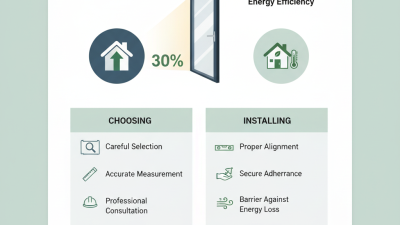
Picking the right Narrow Frame Door isn't just about comparing glass types, finishes, or price tags. You really have to think about how the opening will work with the building’s purpose, the climate, the structure, and how you'll maintain it. Did you know, according to the International Energy Agency’s Buildings report, buildings use about 30% of the world’s final energy and are responsible for roughly 26% of energy-related emissions? That’s a big deal! It shows that even a seemingly simple glazed opening deserves attention, even when the door looks minimal and sleek.

Performance isn't just about the size of the profile – it’s in the details. A narrow profile can boost daylight and keep sightlines clear, but it might also limit room for thermal breaks, seals, hardware, and drainage. The Department of Energy points out that windows can account for 25% to 30% of a home's heating and cooling energy use. Doors aren’t far behind if installed poorly – tiny gaps can make a big difference. And let’s not forget condensation; it can be a real nuisance.

Joseph Lstiburek, founder of Building Science Corporation, once said, 'A window is just a hole in the wall.' Honestly, that kind of sums it up. It’s the same for a Narrow Door Frame — it has to control air, water, heat, and movement. In this article, I’ll share seven practical tips covering everything from frame material and glass performance to thermal separation, hardware durability, threshold design, installation, and long-term maintenance. Sometimes the most expensive mistake is choosing a beautiful-looking system that doesn’t match your wall. I’ve seen specs that look perfect on paper, only to fall flat at the threshold because drainage wasn’t considered. That’s a hassle, sure, but it’s also a good lesson. A good narrow frame door should feel light, operate smoothly, and stay dependable even after years facing the weather."
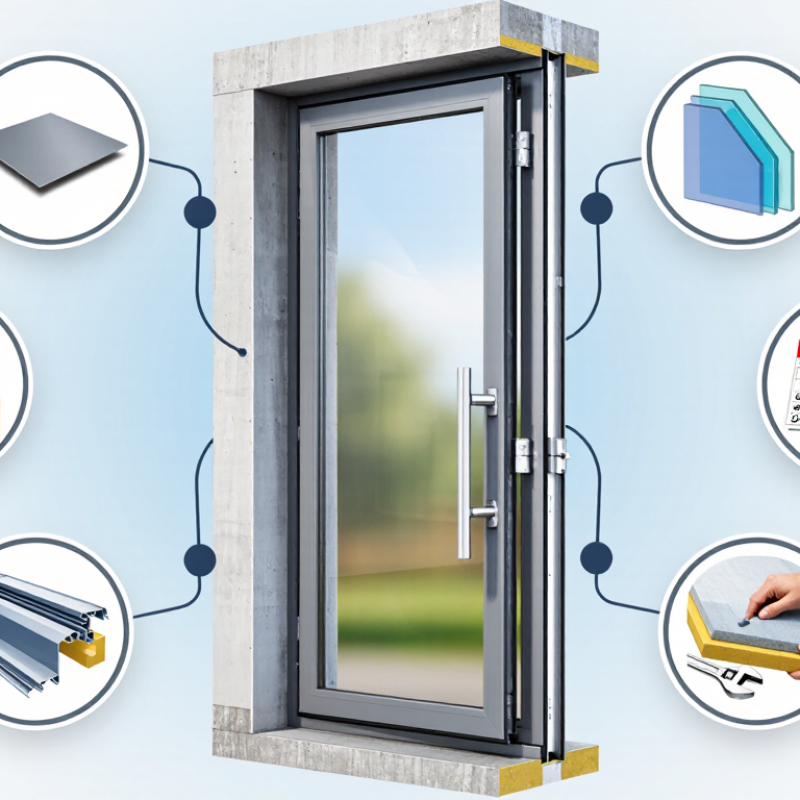
7 Tips for Choosing the Right Narrow Frame Door

Define the Space and Purpose of Your Narrow Frame Door

Before comparing finishes or hardware, decide what the narrow frame door needs to do. Is it separating a home office from a living room, screening a wardrobe, or bringing light into a hallway? Each purpose changes the priorities. A work area may need more privacy, while a shared living space may benefit from clear glass and an unobstructed view. Keep it practical. Note who uses the doorway, how often it opens, and whether furniture or nearby walls limit movement.

Measure the opening at several points, since older walls are not always perfectly square. Record the width, height, trim depth, and available clearance for the door and handle. A slim frame can make a small room feel more open, but it does not solve every layout problem. A door that swings into a desk may look elegant and still be frustrating. Consider a sliding option if the floor area is tight, then check the required wall space and track clearance. One detail is easy to miss: the threshold. It can affect cleaning, mobility, and how smoothly the door meets the floor. Decide what matters most before choosing the frame style. Sometimes the answer changes after you mark the door’s path with tape.

Measure the Opening for a Precise and Secure Fit

A narrow-frame door can look clean and elegant, but a small measuring error may leave uneven gaps or make installation difficult. Measure the structural opening, not the existing door slab. Clear away loose trim and check whether the floor covering or threshold will change the finished height.

Measure the width at the top, middle, and bottom, then record all three numbers. Do the same for height at the left, center, and right. Use a sturdy tape measure, keep it straight, and write down the units. Small details matter. Compare the diagonal measurements, too; a noticeable difference can indicate that the opening is out of square. Check the jamb with a level, since a leaning wall may affect how the door closes.

Measure twice. It sounds obvious, but rushed notes are easy to misread. Don’t automatically order a door based on the smallest measurement; installation clearances vary by frame design. Compare your figures with the door’s fitting requirements, and ask the supplier or installer to confirm the usable opening size. I’ve found that older openings can be imperfect, even when they look square at a glance. Record any uneven plaster, skirting, or floor slope before choosing the frame, so the final fit is based on the real conditions.

Choose the Right Door Material for Durability and Style

Choosing a material for a Narrow Frame Door starts with its location. A bathroom door faces steam, while an entry door may take bumps from bags and shoes. Aluminum resists moisture and keeps slim profiles crisp, but it can feel cool and may show scratches. It suits modern rooms with clean lines. Still, inspect the finish closely; thin coatings can wear at handles and edges.

Steel offers strength and a solid feel, though it can dent and may need protection from rust in damp spaces. Wood brings warmth. Its grain softens a narrow frame, especially beside pale walls, but humidity can cause swelling or sticking. Ask how the core is built, not just what the surface looks like. A pretty sample tells only part of the story.

For frequent use, compare the door’s weight, hardware support, and care needs with the opening itself. A lightweight panel may be easier to operate, yet feel less substantial when closed. Check corners, hinges, and the bottom edge in person if possible. Small details matter. I have found that choosing by appearance alone can lead to regret; maintenance and daily handling deserve equal attention.

Compare Glass Types for Privacy, Safety, and Natural Light

A narrow-frame door gives glass a large visual role, so its finish affects both the room and the doorway’s privacy. Clear glass passes the most daylight and keeps sightlines open. It suits a dim hallway or a door facing a garden, but it offers little screening after dark when interior lights are on. Check the view from both sides, not just from the room.

Frosted glass softens shapes while still sharing daylight. It can work well beside a bathroom or home office, though silhouettes may remain visible at close range. Patterned glass adds texture and can obscure views unevenly; some designs scatter light, while others leave clear patches. A small sample can be misleading. Hold it against a window at different times of day before deciding.

Safety depends on more than appearance. Tempered glass is designed to break into smaller pieces, while laminated glass holds many fragments in place. These options are not interchangeable, and the right choice depends on the door’s construction and intended use. Ask a qualified door or glazing professional to confirm suitable glass, thickness, and hardware. A little reflection helps here: privacy, light, and safety rarely peak at the same time.

7 Tips for Choosing the Right Narrow Frame Door — Compare Glass Types for Privacy, Safety, and Natural Light

Tip Glass type or feature Privacy Safety considerations Natural light Best suited for
1. Prioritize an open, bright feel. Clear glass Low Choose safety glazing where required, especially in door panels and other locations subject to impact. Local building codes determine requirements. Very high Rooms where visibility and maximum daylight matter more than screening views.
2. Add privacy while keeping rooms bright. Frosted or acid-etched glass High Privacy finishes do not make glass impact-resistant. Ask whether the selected panel is tempered or laminated if safety glazing is needed. High Bathrooms, offices, and interior doors where diffused light is welcome.
3. Choose a decorative screen that fits your privacy needs. Patterned or textured glass Medium to high; varies by pattern Patterns affect appearance, not the basic impact performance of the glass. Confirm the safety-glazing specification separately. Medium to high Entryways and interior partitions where some visual screening and decorative detail are desired.
4. Reduce glare and soften views. Tinted glass Low to medium Tint alone does not make glass safer. Privacy can change with lighting; at night, interior lights may make a room more visible from outside. Medium Bright areas where glare reduction is useful and some reduction in visible light is acceptable.
5. Consider what happens if the glass breaks. Laminated Safety Glass Depends on the glass finish A plastic interlayer helps hold broken pieces together. It can reduce the risk of falling fragments, but does not make the glass unbreakable. High with clear glass; varies with finish Doors or glazed areas where retaining fragments after breakage is an important consideration.
6. Check the safety-glazing requirements for the location. Tempered safety glass Depends on the glass finish When broken, tempered glass typically fractures into many small pieces rather than large sharp shards. It does not stay in the frame like laminated glass. High with clear glass; varies with finish Door glazing and other locations where applicable codes call for safety glazing.
7. Balance views, privacy, and daylight before ordering. Compare samples in the actual room and at different times of day Depends on finish and lighting Verify the complete glass specification, including any required safety glazing, with the door supplier or a qualified professional. Depends on tint, texture, and coating Any narrow-frame door: narrow frames can provide a slim sightline, but the glass choice determines much of the privacy and light transmission.

Evaluate Frame Strength, Finish, and Maintenance Needs

When comparing Narrow Frame Patio Doors, check frame strength before judging appearance. Narrow profiles leave less material around heavy glass, so ask for tested structural ratings suited to your opening and local wind exposure. Inspect corner joints, reinforcement, rollers, and the threshold; a stiff frame cannot compensate for poorly supported hardware. Look closely. A slight wobble during operation may signal alignment trouble, not weak materials.

Finish affects both appearance and upkeep. Powder-coated aluminum resists routine weathering, but coastal salt and airborne grit still need regular rinsing. Dark finishes can show dust and water marks sooner than expected. That trade-off is easy to underestimate. For wood-clad frames, inspect exposed edges and seals for peeling, swelling, or gaps. Follow the maker’s care instructions, and avoid harsh cleaners that may dull the coating.

Maintenance also protects energy performance. The U.S. Department of Energy’s Energy Saver guidance estimates that windows account for about 25–30% of residential heating and cooling energy use. Check the door’s NFRC label for U-factor and solar heat gain coefficient, then compare ratings for your climate. Clean tracks, clear weep openings, and inspect weatherstripping each season. These small checks matter, though they will not fix a warped frame or poor installation.

Check Hardware, Operation, and Accessibility Features

A slim stile can make a door look crisp, but the hardware must work comfortably in daily use. Check that the handle feels secure with a light grip, even when hands are full or damp. For U.S. projects, the 2010 ADA Standards specify operable parts 34 to 48 inches above the floor and designed for use without tight grasping, pinching, or wrist twisting. The standards also set a 5-pound maximum opening force for many interior hinged doors. Requirements can vary by door type and project, so verify the applicable standard.

Test the door in person if possible. Does the latch catch smoothly? Can someone open it without a hard pull? A low-profile lever may suit a Narrow Edge frame better than a bulky handle, but appearance alone is not enough. Check hinge movement, closer speed, and whether the door stays open when intended. Small details matter.

Accessibility deserves equal attention.
The CDC’s Disability and Health Data System reports that about one in four U.S. adults has a disability. That broad figure is a useful reminder, not a design specification. Consider clear passage space, reach, and the effort needed to operate the door. A narrow frame may reduce the visual bulk, yet it can also leave less room for hardware. Measure carefully. And test again. A choice that feels effortless in a showroom may be awkward with a bag, a mobility aid, or a stiff closer.

Review Energy Efficiency, Installation, and Long-Term Value

A narrow frame can bring more daylight into a room, but the glass and seals matter more for comfort. Check the full door’s energy rating, not just the frame material. Low-emissivity glazing and insulated glass may reduce heat transfer, while well-fitted weatherstripping helps limit drafts. Ask how the door performs in your local climate. A slim profile alone proves little. The Narrow Edge is finding a design that preserves the view without overlooking thermal performance.

Before ordering, measure the opening at several points; older walls are rarely perfectly square. A qualified installer should check the sill, flashing, and drainage path, since small gaps can invite water or cold air. Even a high-performing door can disappoint if it is poorly fitted. Fit matters.

For long-term value, compare maintenance needs, glass replacement options, and warranty coverage alongside the purchase price. Inspect the locking hardware and seals, which may need adjustment or replacement over time. Ask what routine care involves, such as cleaning tracks or clearing drainage channels. One detail is easy to underestimate: a beautiful door can become frustrating if parts are difficult to service. Be realistic about that trade-off.

FAQS

Which door material works best in a damp room?

Aluminum resists moisture and keeps a slim profile. Steel may need extra rust protection. Wood can swell or stick when humidity rises.

What should I check on a wood door?

Look at the grain, exposed edges, and seals. Ask how the core is built. A polished sample does not tell the whole story.

How can I judge a narrow frame’s strength?

Check corner joints, reinforcement, hinges, rollers, and the threshold. Ask for structural ratings suited to your opening and wind exposure. Look closely.

Do dark finishes need more care?

They can show dust and water marks sooner than expected. Rinse coated frames regularly, especially where salt or grit collects. Easy to miss.

What should I test before choosing hardware?

Try the handle, latch, hinges, and closer. The door should open smoothly without a hard pull. Test it with damp hands, too.

How can I make a door easier to use?

Consider clear passage space, handle reach, and opening effort. A slim frame may leave less room for hardware. Measure carefully.

Can regular maintenance improve a door’s performance?

Clean the tracks, clear drainage openings, and inspect weatherstripping each season. These checks help, but they cannot fix a warped frame or poor installation.

What energy details should I compare?

Check the energy label’s U-factor and solar heat gain coefficient. Compare ratings for your climate. I still find these figures easy to overlook.

Conclusion

Choosing the right Narrow Frame Door begins with understanding where it will be installed and how it will be used. Measure the opening carefully to ensure a precise, secure fit, then select a door material that suits the space, desired style, and expected level of durability. Consider glass options in terms of privacy, safety, and the amount of natural light they allow into the room.

Before making a decision, assess the frame’s strength, finish, and maintenance requirements. Check that the hardware and operating style are convenient, accessible, and appropriate for everyday use. Finally, consider energy efficiency, installation needs, and long-term value—not just the initial cost. By weighing these factors together, you can choose a Narrow Frame Door that fits well, functions reliably, and complements the space over time.

Lydia

Lydia

Lydia is a dedicated marketing professional at Oday, a high-end minimalist narrow-edge system door and window company established in 2009. With a robust background in sales and technical services, she possesses an exceptional understanding of the company’s products and their unique features. Lydia......
Previous What Type of Large Sliding Glass Doors Is Best?