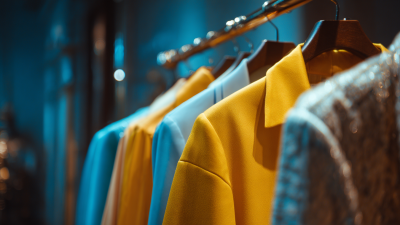
Lately, the whole Minimalist Fashion Style has really been catching on around the world. It’s all about keeping things simple and practical, you know? Designers like Jil Sander and brands such as Everlane have totally jumped on this bandwagon. Their collections tend to focus on clean lines, neutral colors—stuff that’s super versatile for everyday wear.
People love Minimalist Fashion for a bunch of reasons. For starters, it’s more sustainable because it encourages buying less. Plus, having those timeless pieces that you can mix and match makes life so much easier. But, of course, there’s also that nagging question—are we losing our individuality in the name of simplicity?
Some folks say minimalism can feel a tad restrictive, like it limits creativity because of the fewer items. But honestly, a lot of us find that freedom in it. It’s kind of nice having a curated wardrobe that’s easy to style. Focusing on quality over quantity just makes sense, and it encourages us to make more thoughtful fashion choices. As this style keeps evolving, it’s really making us rethink what fashion is all about.
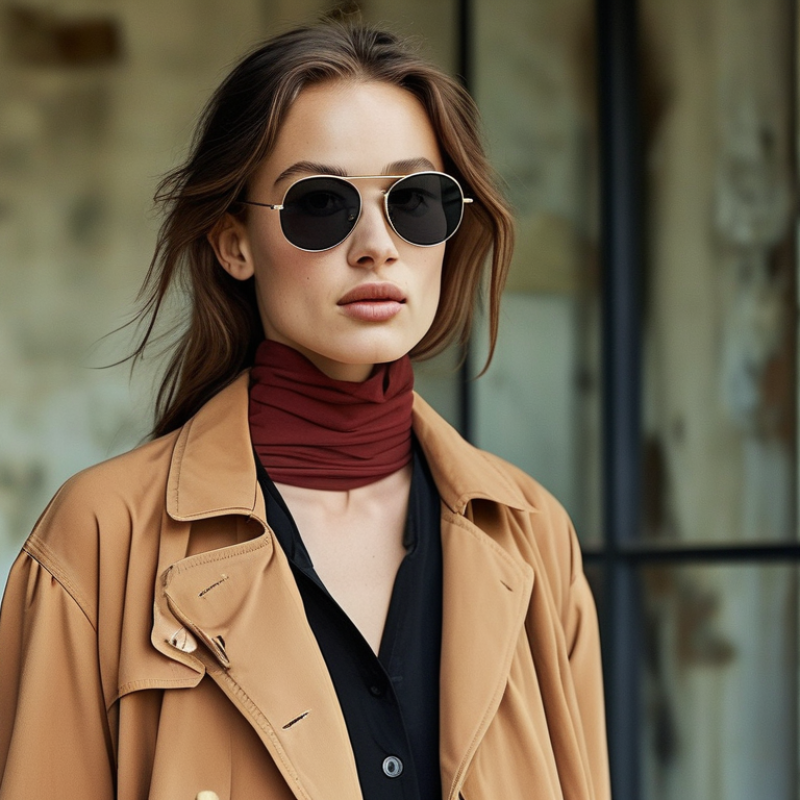
Understanding Minimalist Fashion: Definition and Principles
Minimalist Fashion is defined by simplicity and elegance. This style focuses on clean lines, neutral colors, and timeless silhouettes. The goal is to create a versatile wardrobe with fewer but more meaningful pieces. Minimalist Fashion encourages individuals to embrace quality over quantity.
When exploring minimalist fashion principles, start with a curated wardrobe. Choose essential items that mix well together. Stick to a color palette that reflects your personal style. This will make getting dressed easier and more enjoyable. However, remember that achieving true minimalism can be a challenging process. You may struggle to let go of items you rarely wear.
Tips for minimalist fashion include investing in high-quality basics. Look for fabrics that feel good against your skin. Additionally, prioritize pieces that can transition from day to night. Reflect on your choices and how they align with your values. Each piece should serve a purpose and fit your lifestyle. Adopting this mindset can lead to a more intentional and fulfilling approach to fashion.
The Origins of Minimalist Fashion: A Brief Historical Overview
Minimalist fashion has roots tracing back to the 1960s and 1970s. This era valued simplicity and functionality. Designers emphasized clean lines and neutral colors. The idea was to declutter wardrobes and lives. According to a 2021 report by McKinsey, 50% of consumers now prefer sustainable, minimalist options over fast fashion. This shift reflects a desire for longevity in clothing rather than short-lived trends.
The rise of Maximalist Fashionin the 1980s contrasted sharply with minimalism. Maximalism flourished with bold patterns, bright colors, and excessive embellishments. As society embraced individuality, Maximalist Fashion became a way to express personal identity. However, minimalist fashion encourages a thoughtful approach to dressing. It challenges us to reconsider what we really need in our closets.
Minimalism promotes quality over quantity. While maximalist fashion dazzles, it can feel overwhelming. Minimalism invites a more mindful exploration of style. The trend encourages creators to focus on timeless pieces. A 2022 fashion study showed that Minimalist Styles reduced consumer waste by 30%. This data highlights the practical benefits of embracing clear and defined silhouettes over chaotic designs.
What is Minimalist Fashion Style and Why is it Popular?
| Aspect | Details |
| Definition | Minimalist fashion emphasizes simplicity, clean lines, and a limited color palette. |
| Key Characteristics | Neutral colors, high-quality materials, versatile pieces, and minimal embellishments. |
| Popularity Reasons | Sustainability, ease of styling, timeless appeal, and focus on craftsmanship. |
| Historical Origins | Roots can be traced back to the early 20th century with Bauhaus design and later developments in the 1960s. |
| Influences | Architecture, art movements, and various cultural shifts advocating for simplicity. |
| Contemporary Examples | Capsule wardrobes, streamlined silhouettes, and brands focusing on minimalist aesthetics. |
Key Characteristics of Minimalist Fashion Style
Minimalist fashion is about simplicity. It focuses on clean lines, neutral colors, and functional pieces. This style promotes a wardrobe filled with versatile items that can be mixed and matched. The essence of minimalist fashion is to reduce clutter in both clothing and lifestyle.
Key characteristics include a limited color palette. Neutral tones like black, white, beige, and gray dominate. Fabrics are high-quality and sustainable, often with simple cuts. This approach not only emphasizes style but also promotes conscious consumerism. Minimalist pieces are timeless, which means they rarely go out of fashion.
Tips for embracing minimalist fashion: Start by decluttering your wardrobe. Keep only what you love and wear often. Invest in a few key pieces that serve multiple functions. Think about versatility when shopping. Consider how each item can be styled differently. Remember, minimalism is a journey, not a destination. It may require reflection and adjustment over time. Embrace imperfections as part of your style journey.
The Aesthetic Appeal of Minimalist Fashion: Simplicity and Elegance
Minimalist fashion embodies simplicity and elegance. This style focuses on clean lines and a concise color palette. Many find comfort in the less-is-more approach. It allows individuals to express their identity without chaos. Essential pieces, such as tailored trousers and classic tops, dominate minimalist wardrobes. These items are versatile and timeless. They can be mixed and matched easily, offering a functional aesthetic.
The appeal of minimalist fashion lies in its ability to communicate sophistication. It’s not just about fewer clothes; it’s about the intention behind each piece. A well-curated wardrobe reflects personal style while minimizing clutter. However, achieving this look can be challenging. It requires a commitment to quality over quantity. Sometimes, it invites a sense of pressure to appear constantly polished. Individuals might find themselves overthinking their choices.
Minimalism encourages self-reflection. It asks us to assess what we truly need. This journey often reveals hidden desires and insecurities. Embracing simplicity can be liberating, but it also demands honesty about one’s preferences. The pursuit of elegance through minimalism can sometimes feel daunting, yet it invites a deeper connection with personal style.
The Rise in Popularity of Minimalist Fashion in Modern Society
Minimalist fashion has gained significant traction in recent years. According to a report from the Global Fashion Agenda, the Minimalist Style market is projected to grow by 7.1% annually. This trend reflects a broader cultural shift towards sustainability and simplicity.
Consumers are increasingly drawn to minimalist fashion due to its versatility and timeless appeal. The average wardrobe now contains 40% fewer items than a decade ago, with many opting for quality over quantity. The focus is on classic pieces that can be mixed and matched. People often seek clothes that bring joy, avoiding the excessive choices that lead to decision fatigue.
However, this movement isn’t without its flaws. Critics argue that the rise of influencer culture can create unrealistic standards. The need to curate a perfect minimalist wardrobe may pressure individuals to conform. There’s a fine line between personal expression and minimalist ideals. Striking a balance is essential for authentic self-representation in today’s society.
Popularity of Minimalist Fashion Over the Years
The chart below illustrates the increasing popularity of Minimalist Fashion Style from 2018 to 2023, showcasing how consumer interest has grown over the years. The data reflects trends in online searches and social media mentions related to minimalist fashion.
Sustainable Fashion: How Minimalism Promotes Eco-Friendly Choices
Minimalist fashion style is closely linked to sustainable practices. It emphasizes quality over quantity and encourages thoughtful consumption. This approach champions sustainable fashion by reducing waste and promoting eco-friendly choices. By focusing on fewer, versatile pieces, consumers are less likely to engage in fast fashion cycles.
The Minimalist approach mirrors concepts found inMinimalism Architecture Style, which prioritizes simplicity and function. This architectural influence translates to fashion, where the aim is to create a cohesive and streamlined wardrobe. Fabrics and materials are often chosen based on their longevity. Shoppers are encouraged to invest in timeless designs that transcend trends.
Yet, this journey is not without its challenges. It requires a shift in mindset. Some may find it hard to part with items they no longer use. Reflecting on these decisions can lead to a more intentional approach to clothing. Embracing this can foster a deeper appreciation for both the clothes we wear and the environment we inhabit.
Minimalist fashion serves as a catalyst for change, inspiring consumers to make responsible choices while enjoying a chic, clutter-free wardrobe.
Building a Minimalist Wardrobe: Tips for Beginners
Building a minimalist wardrobe can be both exciting and challenging. Many people are drawn to this style for its simplicity and versatility. To start, focus on timeless pieces. A report from the Fashion Institute of Technology indicates that 85% of consumers prefer classic clothing over trendy items. This underscores the importance of selecting quality over quantity.
Begin with essential items: a neutral t-shirt, tailored pants, and a classic coat. These staples can be mixed and matched effortlessly. According to a study published by the Council of Fashion Designers of America, a well-thought-out capsule wardrobe can reduce decision fatigue by 30%. This means you’ll spend less time choosing what to wear.
However, building a minimalist wardrobe isn’t without its challenges. Many find it hard to let go of garments that hold sentimental value. Reflecting on what you truly wear often brings surprising insights. Aim for a balance between functionality and style. Embracing imperfections in your collection can lead to a more authentic expression of self. Remember, minimalism isn't just a fashion choice, but a lifestyle that encourages mindfulness in wardrobe decisions.
FAQS
: Minimalist fashion emphasizes simplicity and quality. It focuses on fewer, versatile pieces that can be mixed and matched.
It reflects a cultural shift towards sustainability. Consumers prefer timeless styles over fast fashion trends.
By encouraging thoughtful consumption, it reduces waste and avoids the fast fashion cycle.
Parting with unused items is difficult for many. Reflection can help develop a more intentional wardrobe.
Yes, influencer culture creates unrealistic standards. It’s essential to balance personal expression and minimalist ideals.
It encourages investing in quality pieces that last. A cohesive wardrobe means fewer items are needed overall.
It requires valuing function and simplicity over excessive options. This can deepen appreciation for clothing and the environment.
Some might struggle to align personal style with minimalist trends. Authentic self-representation is crucial in this journey.
No, it mirrors minimalism in other areas like architecture, emphasizing simplicity and functionality across various aspects of life.
It promotes responsible choices while allowing for a stylish, clutter-free lifestyle, prompting consumers to think critically about their purchases.
Conclusion
Minimalist Fashion Style is defined by its focus on simplicity and functionality, embodying principles that prioritize clean lines, neutral colors, and a limited selection of carefully chosen garments. This fashion movement has its roots in the mid-20th century, influenced by various art movements and a growing desire for authenticity in clothing. The key characteristics include timeless pieces that exude elegance and a sense of calm, allowing individuals to express their identity without overwhelming clutter.
The popularity of Minimalist Fashion Style has surged in modern society, driven by a collective shift towards sustainability and conscious consumerism. It promotes eco-friendly choices by encouraging a wardrobe that is both versatile and enduring, significantly reducing waste and the impact on the environment. For those looking to embrace this style, building a minimalist wardrobe involves selecting essential items that harmonize well together, ensuring that every piece serves a purpose while enhancing overall aesthetic appeal.

 CASE
 NEWS
 INTRODUCTION
 HISTORY
 PRODUCT FILMS
 BIM & CAD
 +86 180 3872 3256
 Email