 REFERENCES
 STORIES
 INTRODUCTION
 HISTORY
 PRODUCT FILMS
 BIM & CAD
Leave Your Message
When you're choosing the perfect Curtain Wall System for your building, there are a few key factors you really want to keep in mind—things that match your vision for the architecture and meet functional needs. Curtain walls aren’t just about making a building look good; they also play a big role in energy efficiency and how well everything performs overall. At Zhichu Construction Technology (Guangdong) Co., Ltd., we've been around since 2009, focusing on high-end, minimalist narrow-edge systems that combine sleek design with solid technical performance. We kicked things off internationally in 2011 and came back to China in 2015. What really sets us apart is our all-in-one approach—covering everything from R&D, manufacturing, and sales to providing top-notch technical support. Our deep experience with curtain wall systems means we’re the perfect partners to help you make smart choices that boost your project's durability, functionality, and style—without the fuss.
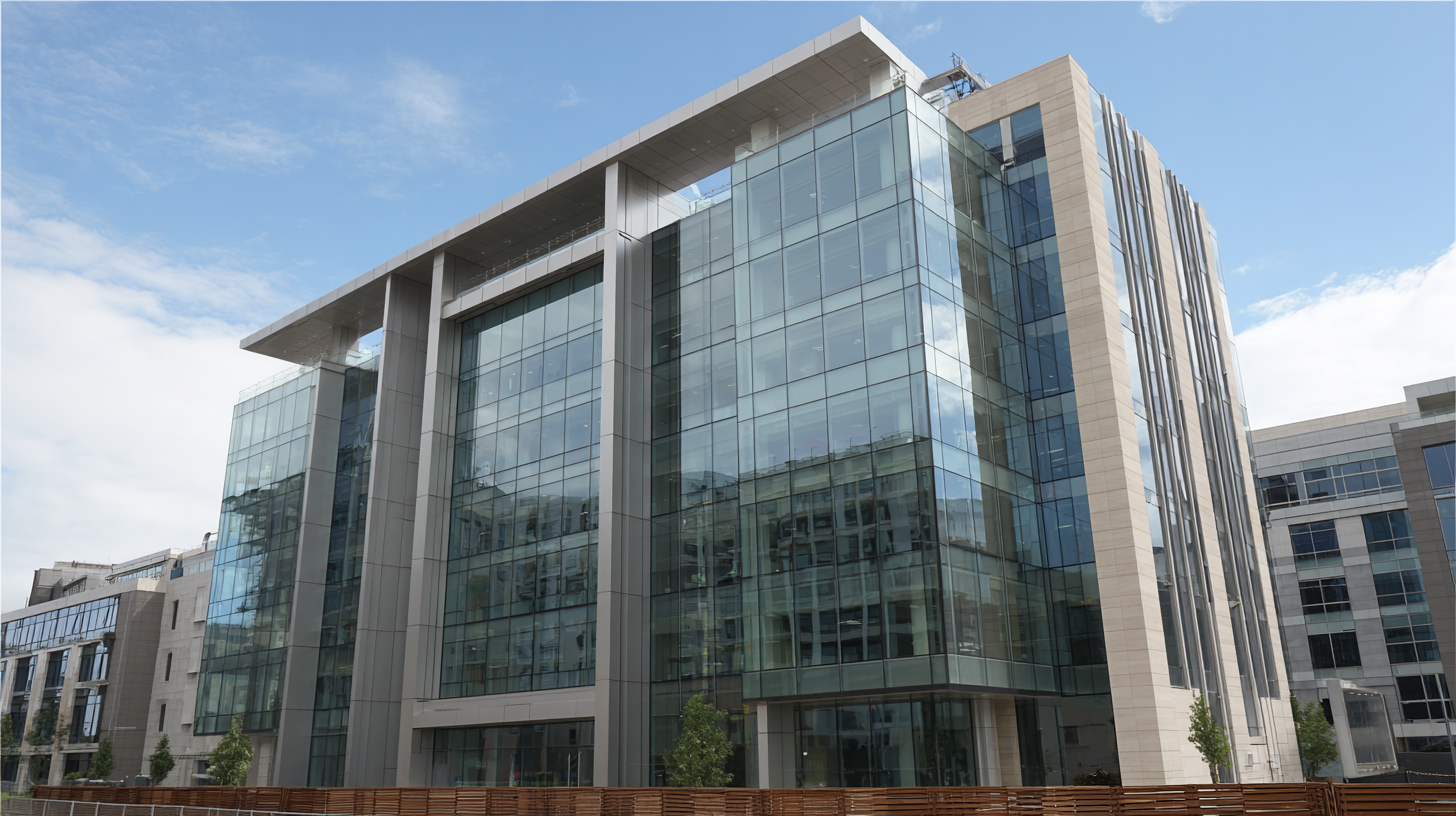
When you're choosing a curtain wall system for a building, it’s really important to get a good handle on the different options out there. Basically, there are three main types: stick-built, unitized, and semi-unitized systems. According to a report from the American Institute of Architects (AIA), more than 45% of modern commercial buildings are now using unitized systems—mainly because they can be installed really fast and tend to offer better thermal performance. That prefabricated approach cuts down on the on-site labor and speeds things up during construction, which makes it pretty appealing for developers trying to meet tight deadlines.
Beyond how they’re built, curtain wall systems can vary a lot in materials and what they can do. For example, glass and metal composite systems not only look really sleek but also help boost energy efficiency. The U.S. Green Building Council has pointed out that buildings using high-performance curtain wall systems can be up to 30% more energy-efficient compared to traditional setups. As cities grow more energy-conscious, picking the right curtain wall isn’t just about looks—it's a big factor in making the building more sustainable and saving money in the long run.
| Curtain Wall Type | Material | Thermal Performance | Weight | Typical Applications |
|---|---|---|---|---|
| Stick System | Aluminum, Glass | Moderate | Heavy | Low-rise buildings |
| Unitized System | Aluminum, Glass | High | Moderate | High-rise buildings |
| Structural Glazing | Glass, Silicone | Excellent | Lightweight | Modern offices, Retail |
| Fiber Reinforced Polymer (FRP) | FRP, Insulation | Good | Very Lightweight | Industrial, Coastal areas |
| Punch Windows | Aluminum, Glass | Moderate | Varies | Multi-use buildings |
The 2023 Architectural Window Trends Report highlights impactful shifts in design and functionality, particularly emphasizing the importance of maximizing space efficiency in modern architecture. The OD.60CV Shu Series Sliding Window exemplifies this trend, showcasing a perfect blend of aesthetics and practicality tailored for contemporary living environments. The slender, 63mm narrow-edge profile not only enhances visual appeal but also allows for more natural light and unobstructed views, addressing the growing demands for transparency in designs.
In urban settings where space is at a premium, the innovative engineering of the 60CV Shu series stands out. With a focus on safety and user comfort, these windows incorporate high-strength, 3.0mm thick profiles paired with robust British GULI hinges. This combination ensures stability and resistance against wind pressure, critical in high-rise buildings. According to industry statistics, buildings incorporating advanced window systems like the Shu series have shown a 15% increase in energy efficiency, attributed to their exceptional thermal insulation capabilities.
Moreover, the incorporation of smart functionalities—such as the electric opening system—enhances user experience, bridging the gap between technology and daily convenience. The large ventilation area, reaching 3.2㎡ when fully opened, not only promotes air circulation but also fosters a healthier indoor environment, which is vital as urban populations continue to grow. These features collectively reinforce the importance of choosing window systems that are not only visually appealing but also significantly contribute to environmental sustainability and occupant comfort.
: The three primary types of curtain wall systems are stick-built, unitized, and semi-unitized systems.
Unitized systems are popular because they offer rapid installation and enhanced thermal performance, which minimizes on-site labor and reduces construction timelines.
High-performance curtain wall systems can achieve up to 30% greater energy efficiency compared to traditional designs, contributing to a building's sustainability and lowering long-term operational costs.
It's crucial to assess energy efficiency and structural integrity, including advanced glazing options for thermal insulation and materials that withstand environmental factors.
The materials must be able to withstand wind loads, seismic activity, and temperature fluctuations, and adequate framing systems must provide support and flexibility.
The budget should encompass upfront costs such as materials, labor, and design fees, as well as long-term maintenance expenses like inspections, cleaning, and repairs.
Regular maintenance ensures the curtain wall's longevity and prevents deterioration, which can lead to costly repairs if not addressed.
Improved energy efficiency reduces cooling demands and overall energy consumption, directly lowering operating costs for building owners.
Coatings that reflect solar energy help minimize cooling demands, contributing to the energy efficiency of the building throughout different seasons.
Building owners should develop a comprehensive financial plan that includes both installation and maintenance costs to make informed decisions about their curtain wall systems.
Picking the right curtain wall system is pretty important when you're thinking about how a building looks and functions overall. The first step is getting a good handle on the different types out there and what they’re actually meant to do. When you're choosing a system, it’s worth weighing things like how it looks design-wise, its performance—like energy efficiency and strength—and making sure you’ve got a clear picture of the costs involved, both for installation and upkeep.
At Zhichu Construction Technology (Guangdong) Co., Ltd., we specialize in sleek, minimalist systems, and we’re all about offering smart, innovative solutions that check all those boxes. Since 2009, we’ve been combining research, production, and sales to give our clients a smooth, comprehensive experience. A good curtain wall isn’t just about making a building look good—it also needs to last and save energy in the long run. So, choosing the right one really makes a difference on both fronts.