

Leave Your Message
0%

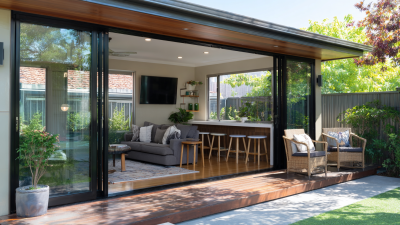
Picking out Modern Sliding Doors isn’t just about choosing pretty glass panels. These doors actually impact a lot more — like how much daylight comes in, air flow, energy bills, security, and how easy it is to move through your home day to day. A good choice can totally make a small or narrow room feel more open and like it’s connected to your garden. But on the flip side, if you pick the wrong frame, you might end up with drafts, tricky operation, or even a sauna in the summer heat.

Start by focusing on the room itself. Take time to measure the opening carefully — don’t forget to include wall depth, floor level, and how much space you’ve got for clearance. Also, think about how your furniture, curtains, or outdoor walkways will affect how you move around. Sure, large panels look super impressive, but they’re also heavier. Be sure to test the rollers, locks, handles, and seals before you commit — honestly, smooth operation is way more important than just how it looks in the showroom.

When it comes to materials, don’t overlook the details. Thermally broken aluminum gives you slim frames and good strength. uPVC is a practical option, offering decent insulation at a lower price point. Timber adds a cozy feel, but it does need regular upkeep. The type of glazing you choose should match your climate, position, and privacy needs — so options like low-emissivity glass, laminated glass, and double or Triple Glazing each have their own pros and cons.

And don’t forget to get advice from qualified manufacturers and experienced installers. Ask for performance specs, warranty info, details on drainage, and references from other happy customers. Your local building codes might have something to say about safety glass, threshold height, or ventilation too. Don’t just assume the most expensive option is automatically best — everyone’s needs are different. And a small mistake in measuring could end up costing you big bucks later on.

This guide is here to help break down the key choices clearly, and challenge some common assumptions. Because, at the end of the day, beautiful doors also need to perform well in real life.
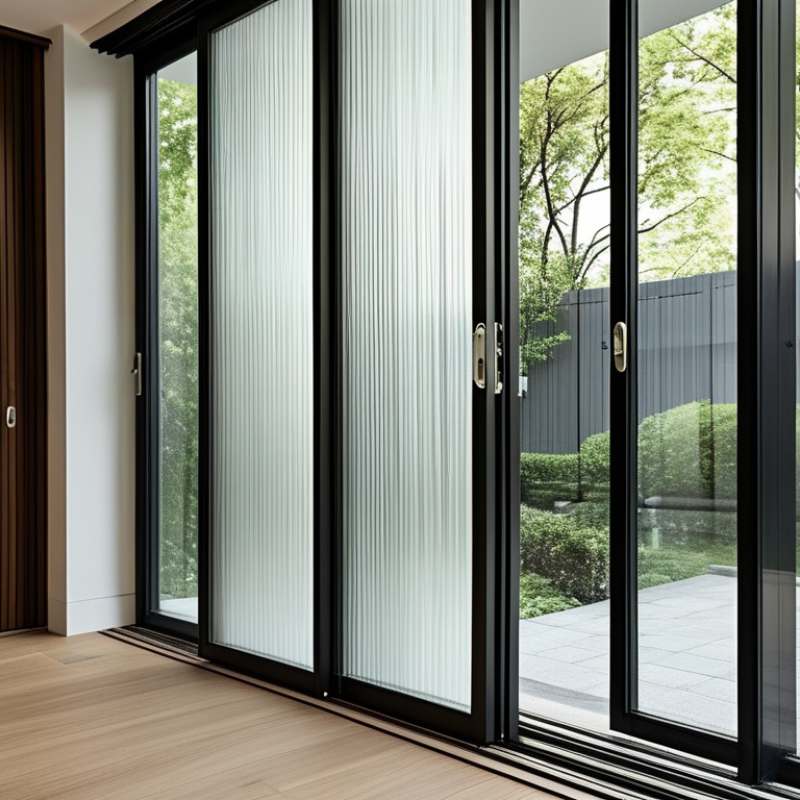
How to Choose Modern Sliding Doors for Your Home?

Understanding Modern Sliding Door Types and Configurations

Modern sliding doors come in several useful types, and each suits a different room.

A two-panel door uses one fixed panel and one moving panel. It works well for bedrooms, balconies, and compact living areas. A three-panel system can create a wider opening. However, its frame needs more wall space.

Pocket doors slide into a concealed wall cavity. They save floor space, but installation becomes difficult after construction.

Stacking doors move behind one another along multiple tracks.

They suit large patios and provide broad outdoor views. Corner configurations meet at a room corner, removing a visible central post. This design can improve airflow and sightlines. It also demands accurate structural planning. The supporting wall may need reinforcement before installation.

Lift-and-slide systems offer smoother movement for larger glass panels. Their hardware carries substantial weight, so professional fitting is essential.

Measure more than the opening width. Check ceiling height, floor level, drainage, and furniture clearance. A door may look elegant but feel awkward beside a sofa.

In practical inspections, uneven floors often cause rubbing and poor seals.

I once underestimated handle clearance near a curtain, and the daily use became annoying. That mistake changed my approach. Now, I test the opening path with temporary markers before selecting a configuration.

Consider glass safety, weather seals, locking points, and ventilation needs. Thermal performance also matters in rooms facing strong sunlight. A beautiful configuration is not always the most comfortable one.

Assessing Your Space, Layout, and Installation Requirements

How to Choose Modern Sliding Doors for Your Home?

Assessing Your Space, Layout, and Installation Requirements

Begin with the opening, not the door style. Measure width, height, wall thickness, ceiling clearance, and the finished floor level. Measure twice. A few millimeters can affect the track, seal, and lock alignment. Check where furniture, curtains, radiators, and light switches will sit after installation. A two-panel door may suit a narrow room, while a wider opening might require structural reinforcement.

Energy performance deserves equal attention. The U.S. Department of Energy’s Energy Saver guidance states that windows can cause 25–30% of residential heating and cooling energy use. Sliding doors are part of that envelope. Compare the U-factor and Solar Heat Gain Coefficient, using ratings verified by the National Fenestration Rating Council. Lower U-factor generally means better insulation. However, excessive solar gain can overheat a south-facing room. Orientation matters.

Installation conditions often decide the final result. Inspect the sill for moisture damage, uneven masonry, and drainage problems before ordering. Exterior exposure may require a deeper sill pan and carefully sealed joints. I have seen attractive doors perform poorly because the threshold was installed over a damp, uneven surface. That mistake is expensive to correct. Allow space for glass delivery, temporary supports, and safe movement through the home. Some layouts look perfect on paper, yet the handle strikes a cabinet in daily use. Recheck the swing path, sightlines, and cleaning access before approving the final dimensions.

Choosing Suitable Door Materials, Glass, Frames, and Finishes

How to Choose Modern Sliding Doors for Your Home?

Choosing the right materials is more important than following a fashionable image. For Modern Doors And Windows, begin with the room’s exposure, humidity, and daily traffic. Aluminum frames suit wide openings and resist warping, while engineered timber offers warmth but needs more maintenance. uPVC can provide insulation and simpler care. Check the frame’s thermal performance, drainage design, and hardware strength before deciding.

Glass changes both comfort and safety. Double glazing can reduce heat transfer and outside noise, especially in bedrooms facing busy streets. Low-emissivity coatings help control sunlight, but heavily tinted glass may make a bright room feel dull. Laminated or tempered glass is a sensible choice for large panels. Ask for documented performance data, not only attractive showroom samples. Small details matter.

Finishes should survive fingerprints, rain, and repeated cleaning. Powder-coated surfaces usually offer consistent color, while textured finishes can disguise minor marks. Test a sample beside your floor and wall colors. It may look different at noon. A practical mistake is choosing a dark frame without considering strong afternoon heat. Also confirm local safety, ventilation, and accessibility requirements. Professional measurement is worthwhile because a few millimeters can affect sliding resistance, sealing, and long-term performance. Leave space for adjustment.

Comparing Energy Efficiency, Security, and Weather Protection

Choosing a Modern Sliding Glass Door requires more than admiring thin frames and clear views. Energy performance deserves close attention. The U.S. Department of Energy reports that windows can cause 25–30% of residential heating and cooling energy use. Ask for the NFRC label, then compare U-factor and solar heat gain coefficient. Lower U-factor usually means better insulation. However, low solar gain may reduce useful winter warmth.

On a real inspection, I check the meeting rail, rollers, and weather seals by hand. A small air gap can whistle on a windy night. ENERGY STAR guidance also stresses properly installed, certified products, not glass alone. Look for tested air leakage and water resistance under AAMA/WDMA/CSA 101/I.S.2/A440 performance standards. ASTM E283 measures air leakage, while ASTM E331 evaluates water penetration. These tests cannot predict every poorly fitted installation.

Security needs equal attention. Choose multi-point locking, reinforced panels, and anti-lift blocks. The NAFS standard grades complete door assemblies, including frame, hardware, and glass. Tempered glass helps reduce injury risk, but it is not automatically burglary-resistant. Ask whether laminated glass or impact-rated construction suits your location. In windborne-debris regions, ASTM E1886 and E1996 testing may matter. Yet specifications can sound impressive. A beautiful door with weak installation remains a weak barrier. Check drainage channels after rain, and reconsider oversized panels if maintenance access is difficult.

How to Choose Modern Sliding Doors for Your Home?

Comparing energy efficiency, security, and weather protection

The chart uses representative residential performance values based on commonly published test ranges and recognized standards. U-factor and air leakage should be lower, while water resistance and security class should be higher. Actual performance depends on the complete door system, installation, glazing, and local building requirements.

Evaluating Hardware, Operation, Accessibility, and Maintenance

Choosing modern sliding doors starts with the hardware, not the frame color. Check the roller system, track, handle, and locking points. A door should move smoothly without shaking or scraping. In a Modern Minimalist Living Room, slim frames look elegant, but weak hardware can quickly spoil that effect. Ask about the door’s weight capacity and adjustment range. Test the panel several times before installation. A quiet glide is useful evidence.

Operation also affects daily comfort. Choose a handle that feels secure with wet or tired hands. Soft-close mechanisms can reduce impact, especially in homes with children. However, they still need correct adjustment. An overly stiff door may suggest poor alignment or excess friction. Leave enough clearance for curtains, furniture, and cleaning tools. Measure the opening again. Small errors become expensive later.

Accessibility deserves practical attention. A low or flush threshold helps people using wheelchairs, walkers, or wheeled luggage. The opening force should remain manageable, and the track should not create a toe-catching edge. A qualified installer can check alignment, drainage, and structural support. Maintenance is simple when the track remains clean and dry. Vacuum loose grit, wipe the rollers, and inspect seals twice yearly. I have found that owners often ignore tiny scraping sounds. That is a mistake, though early adjustment may prevent larger repairs.

How to Choose Modern Sliding Doors for Your Home? - Evaluating Hardware, Operation, Accessibility, and Maintenance

Evaluation Area Recommended Specification Typical Performance or Range Accessibility Consideration Maintenance Expectation
Door configuration Two-panel sliding door for standard openings; three- or four-panel systems for wider views Common overall widths range from approximately 1.8 m to 4.8 m, depending on the system Choose a clear opening wide enough for the intended users, furniture, and mobility equipment Check panel alignment and fasteners during routine inspections
Frame material Thermally improved aluminum, uPVC, or engineered wood selected according to climate and design requirements Aluminum offers high stiffness; uPVC generally provides low upkeep; wood requires more finish care Smooth, stable frames reduce catching points and make the door easier to operate Clean with mild soap and water; inspect coatings, seals, and drainage paths
Roller hardware Adjustable corrosion-resistant rollers with sealed bearings and a stable track system A properly sized roller system should move the panel smoothly without lifting or dragging Low rolling resistance is important for children, older adults, and users with limited hand strength Vacuum debris from tracks regularly; replace worn rollers rather than forcing the panel
Track and threshold Recessed or low-profile threshold with effective drainage and weather sealing Low thresholds can reduce trip risk, while external drainage helps manage wind-driven rain Avoid raised lips where possible; use a flush transition only when water management is properly designed Keep drainage channels clear of leaves, grit, and insects
Handle and lock Ergonomic pull handle, multi-point locking, and an internal thumb-turn or similarly easy-to-use control Locking performance depends on accurate installation, panel adjustment, and seal compression Controls should be reachable, easy to grip, and operable without excessive twisting force Lubricate moving lock components only with a product approved for the hardware
Glass selection Safety glazing suited to the location; consider double glazing, solar control, or laminated glass where appropriate Double glazing commonly improves insulation compared with single glazing, subject to frame and installation quality Use visible safety markings or contrasting strips when large transparent areas may be difficult to detect Clean with non-abrasive materials and inspect for seal failure, cracks, or edge damage
Opening operation Manual operation for most homes; powered assistance only where electrical access, safety sensors, and backup operation are available Manual systems are simpler; powered systems add convenience but increase installation and service requirements Confirm that the door can be released and opened safely during a power outage or control failure Powered systems require sensor testing and professional servicing according to the installation instructions
Weather resistance Continuous perimeter seals, interlocks between panels, and a drained sill designed for the local exposure Actual air and water performance varies by system design, installation, and site exposure A tight, correctly aligned door reduces drafts that may affect comfort and indoor air quality Inspect gaskets for flattening, gaps, or brittleness and replace damaged seals
Security features Anti-lift devices, reinforced locking points, secure glazing retention, and a visible locked/unlocked indicator Security depends on the complete door assembly, surrounding structure, and correct installation Security controls should not require excessive force or complicated hand movements Test locks and anti-lift components periodically; do not modify security parts without guidance
Installation accuracy Professionally checked opening, level sill, plumb jambs, correct shims, and properly sealed perimeter joints Small installation errors can cause binding, uneven gaps, air leakage, and premature hardware wear A level track and correctly adjusted rollers are essential for consistent, low-effort operation Keep installation records and review adjustments after seasonal movement or building settlement
Expected care schedule Simple cleaning and inspection plan shared with all household users Tracks and surfaces: monthly or as needed; seals and locks: at least twice yearly; full adjustment: when operation changes Promptly correct stiff movement, loose handles, or damaged thresholds to prevent unsafe operation Routine cleaning is usually sufficient; major repairs should be handled by a qualified door technician

Note: Performance varies according to the selected door system, opening size, local climate, installation quality, and applicable building requirements. Always verify manufacturer-independent specifications and local code requirements before purchase.

Planning the Budget, Installation Process, and Long-Term Value

Budgeting a modern sliding door starts with the opening, not the catalogue price. Measure width, height, wall depth, sill condition, and drainage before comparing quotes. The U.S. Department of Energy reports that windows can cause 25–30% of residential heating and cooling energy use. That figure makes glazing, weather seals, and orientation financial decisions. Ask for U-factor, solar heat gain coefficient, glass type, hardware, delivery, trim, disposal, and warranty terms. A low bid may exclude structural preparation or water testing. Leave a 10–15% contingency. Small surprises happen.

Installation should include plumb checks, flashing, insulation, drainage, and a final water test. Experienced installers protect flooring with rigid boards and keep the opening covered overnight. After fitting, operate the panels several times. They should glide without scraping, rattling, or excessive force.

EPA ENERGY STAR guidance indicates that efficient window upgrades can reduce annual energy bills by hundreds of dollars, depending on climate and existing glazing. Long-term value also depends on replaceable rollers, accessible locks, durable finishes, and simple cleaning. Modern Architecture Minimalist design looks calm, but narrow frames can hide expensive hardware. I would question any quote that ignores future maintenance.

Tips: Compare at least three itemized quotes. Request installation photos from similar projects. Visit the room at different times; afternoon glare may change your glass choice. Do not assume the largest panel offers the best value. Sometimes, it only exposes a weak wall.

FAQS

: What type of sliding door suits a compact room?

: A two-panel door usually works well. One panel stays fixed, while the other moves. It suits bedrooms, balconies, and smaller living areas. A pocket door saves more floor space, but installation can be difficult later.

When should I choose a three-panel or stacking door?

Choose a three-panel system when you need a wider opening. It requires more wall space. Stacking doors suit large patios and open views. Their multiple tracks need regular cleaning.

What are the advantages of a corner sliding door?

Corner doors meet at the room’s corner. They can improve airflow and remove the central post. However, the supporting wall may need reinforcement. Accurate structural planning is essential.

How should I measure before choosing a sliding door?

Measure width, height, floor level, drainage, and furniture clearance. Check the space beside sofas, curtains, and cleaning tools. Use temporary tape to mark the opening path. I once missed handle clearance near a curtain. It became irritating daily.

How can I compare energy performance?

Check the product’s insulation rating and solar heat gain information. A lower insulation value usually indicates better thermal performance. Lower solar gain can reduce summer heat. It may also limit useful winter warmth.

What helps protect a sliding door from weather?

Look for tested air leakage and water resistance. Strong seals should close evenly around the panel. Inspect drainage channels after rainfall. A tiny air gap can whistle at night.

Which security features should I consider?

Choose multi-point locks, reinforced panels, and anti-lift blocks. Tempered glass reduces injury risk after breakage. It does not automatically prevent forced entry. Laminated or impact-rated glass may suit exposed locations.

How can I tell whether the hardware is reliable?

Move the panel several times before installation. It should glide quietly without shaking or scraping. Ask about roller capacity and adjustment range. A stiff door may indicate friction or poor alignment.

What makes a sliding door easier to use?

A low or flush threshold helps wheelchair users and people carrying luggage. The handle should feel secure with wet hands. Soft-close hardware can reduce sudden impacts. Still, poor adjustment can make it frustrating.

How often should sliding doors receive maintenance?

Vacuum loose grit from the track regularly. Wipe the rollers and inspect seals twice yearly. Keep the track clean and dry. Do not ignore small scraping sounds. Early adjustment may prevent larger repairs.

Conclusion

Choosing Modern Sliding Doors for your home begins with understanding the available types and configurations, including standard panels, multi-panel systems, pocket designs, and corner-opening layouts. Consider how the doors will fit your room’s structure, available wall space, traffic flow, and installation conditions. The right combination of glass, frame material, color, and finish should complement your interior style while meeting practical needs such as strength, daylight, privacy, and ease of cleaning.

A well-planned choice should also balance energy efficiency, security, weather resistance, and everyday comfort. Look for suitable glazing, reliable locks, smooth-running hardware, and accessible operation for all household members. Think about maintenance requirements, replacement access, and how the doors will perform through changing seasons. Finally, create a realistic budget that includes preparation, professional installation, finishing work, and long-term upkeep. Evaluating quality and durability alongside the initial price can help ensure lasting value and a comfortable, attractive home improvement.
Lydia

Lydia

Lydia is a dedicated marketing professional at Oday, a high-end minimalist narrow-edge system door and window company established in 2009. With a robust background in sales and technical services, she possesses an exceptional understanding of the company’s products and their unique features. Lydia......
Previous The Best Narrow Frame Door Solutions for Global Buyers?