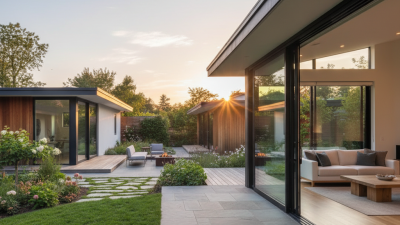
You know, in the world of interior design right now, the 'Narrow Frame Door' is really starting to catch on with folks around the globe. It’s kind of a big deal because it combines elegance with space-saving functionality—something pretty much everyone’s looking for. Brands like Jeld-Wen and Masonite are really changing the game, showing us new ways to think about doorways.
Narrow Frame Doors, honestly, look super sleek and can totally boost the vibe of any room. They make for easy access and help save wall space at the same time. But, here’s the thing—when you’re shopping around, you gotta pay attention to quality and what the door’s made of. Not every product claiming to be a narrow frame door actually holds up in terms of durability or looks.
Figuring out which supplier to go with can be pretty overwhelming because, let’s face it, there are tons of options, and they all have different levels of expertise. It’s smart to check out reviews and maybe some case studies before making a call. And honestly, it’s worth asking yourself if a narrow frame door really matches your style or vision. When you understand what makes this design element special, you’re more likely to make choices you’re happy with—and that can really elevate the overall feel of your space.
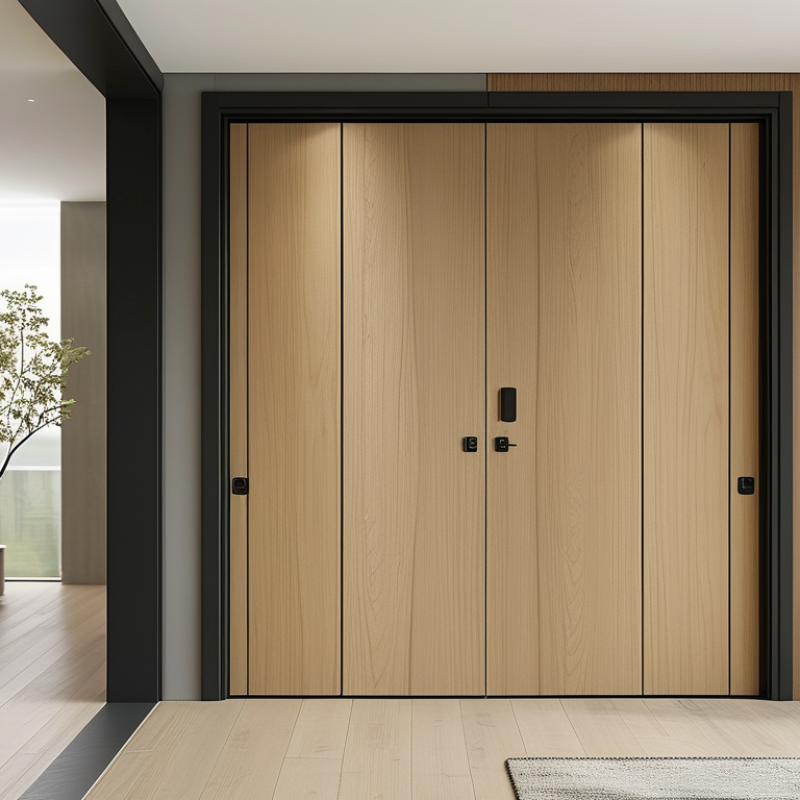
The Evolution of Narrow Frame Door Designs in the Construction Industry
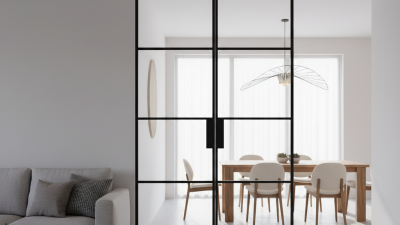
The evolution of Narrow Frame Door designs has significantly reshaped the construction industry. These doors, once limited in style and function, now offer enhanced aesthetics and practicality. They provide a sleek look, allowing for larger glass areas that fill spaces with natural light. Designers appreciate their ability to create an airy atmosphere while maintaining durable construction.
Narrow frame doors are increasingly popular in modern architecture. Their minimalist appearance complements various design styles, from contemporary to industrial. The choice of materials has also improved. Frame options include aluminum and steel, offering strength and versatility. This allows for larger, more expansive door designs that still fit into compact spaces.
Tip: When considering a narrow frame door, think about how it interacts with the room's natural light. A well-placed door can illuminate a space beautifully.
Narrow frame doors are not without their challenges. Installation requires precise measurements for a seamless fit. Misalignments can lead to functionality issues in the long run. Homeowners should also consider the maintenance of such frames, as some materials may require more upkeep than others.
Tip: Research the longevity and maintenance needs of different materials for narrow frame doors before making a choice. Understanding the trade-offs will guide your decision-making process.
The Best Narrow Frame Door Solutions for Global Buyers
| Design Type | Material | Dimensions (mm) | Weight (kg) | Price Range (USD) |
| Single Glass | Aluminium | 2000 x 800 | 25 | 300 - 450 |
| Double Glass | Steel | 2100 x 900 | 35 | 500 - 700 |
| Panel Door | Wood | 1950 x 780 | 30 | 250 - 400 |
| Sliding Door | Aluminium | 2200 x 1000 | 50 | 600 - 900 |
| Bi-Fold Door | Composite | 2100 x 1200 | 45 | 800 - 1100 |
Key Factors Driving the Popularity of Narrow Frame Doors Globally
Narrow frame doors are becoming increasingly popular among global buyers. One driving factor is their aesthetic appeal. They offer sleek lines and a modern look that enhances any space. Research indicates that about 70% of homeowners prefer designs with narrower frames for their contemporary appearance. Additionally, their Minimalist Style allows for more natural light, creating a brighter atmosphere in homes and offices.
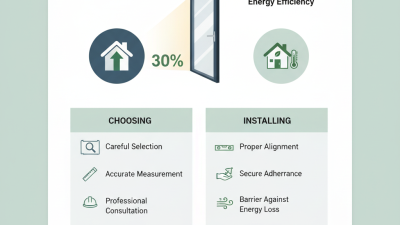
Energy efficiency plays a crucial role in their popularity. Many narrow frame doors feature advanced insulation technologies. Reports show that these doors can improve energy efficiency by up to 30%. This reduction in energy consumption is attractive to buyers seeking environmentally friendly options. Furthermore, the integration of smart technologies in these doors meets the needs of tech-savvy consumers, enhancing security and convenience.
However, the market is not without its challenges. Installation of Narrow Frame Patio Doors can be complex. Homeowners may face difficulties if existing structures aren't compatible. It's essential for buyers to consult professionals before making a purchase. This highlights the importance of expert advice in ensuring a successful installation. Even with these challenges, the appeal of narrow frame doors continues to grow globally, driven by their design and efficiency benefits.
Comparative Analysis: Materials Used in Narrow Frame Door Production
Narrow frame doors have gained popularity worldwide for their sleek design and functionality. The choice of materials for these doors significantly influences their durability and appeal. Common materials used include aluminum, glass, and wood, each offering distinct advantages and limitations. Aluminum frames are lightweight yet strong, providing a modern look. They resist rust and can endure harsh conditions. However, they may not offer the same insulation as other materials.
Glass is another favorite in narrow frame door construction. It creates a sense of openness and allows natural light to illuminate spaces. However, glass can be fragile and may require additional reinforcement. Some buyers are concerned about privacy and safety, which can limit its use. On the other hand, wood brings warmth and a classic aesthetic to narrow frames. Though beautiful, wood can warp and require maintenance over time.
While each material has its pros and cons, the decision should consider the specific environment and style desired. Collaborating with knowledgeable builders can provide insights into the best choices according to geographic and climatic challenges. This approach creates a balanced and informed decision, ultimately leading to a more satisfying outcome.
Market Insights: The Demand and Supply of Narrow Frame Doors (2023)
The demand for narrow frame doors has surged in recent years. This increase is driven by a growing preference for sleek and modern architectural designs. Narrow frame doors offer a minimalist aesthetic that appeals to both residential and commercial buyers. Their ability to maximize natural light while maintaining structural integrity is a major selling point.
However, the supply chain faces challenges. Many manufacturers struggle to keep up with rising demand. This can lead to longer lead times and potential shortages. Buyers are urged to engage in proactive planning. Understanding local market dynamics can help in making more informed purchasing decisions.
Moreover, not all manufacturers meet the same quality standards. Some products may lack durability or design finesse. It’s essential to conduct thorough research before committing to a supplier. Exploring user reviews and seeking expert insights can provide valuable information. The narrow frame door market is evolving, and staying informed is key to making the right choices.
Innovations in Narrow Frame Door Technology and Production Efficiency
Narrow frame doors are gaining attention worldwide for their sleek design and efficient functionality. Innovations in narrow frame door technology have revolutionized how we think about entryways. New techniques, like laser-cutting and smart materials, make production faster and more precise. This precision reduces waste, benefiting both manufacturers and consumers.
The production of narrow frame doors also embraces sustainability. Many companies are focusing on eco-friendly materials. They are rethinking traditional designs to appeal to modern architectural aesthetics. However, it's crucial to strike a balance between innovation and cost. Some suppliers may cut corners in production, leading to lower quality doors in the market. This raises questions about reliability and longevity, making buyers think twice.
Investing in a narrow frame door means considering not just the appearance but also the engineering behind it. The technology should guarantee durability and functionality. As the industry evolves, we need to remain vigilant about quality standards. Ensuring that innovation does not compromise performance is essential. Good design is not enough; it must also stand the test of time.
Sustainability Trends in Narrow Frame Door Manufacturing Practices
The trend of sustainability in narrow frame door manufacturing is gaining momentum. As environmental concerns rise, manufacturers are adapting their practices. A recent report from the International Door Association highlighted that 70% of consumers prefer eco-friendly products. This preference is pushing companies to seek sustainable materials and processes.
Innovations in materials are at the forefront of this trend. Many manufacturers are now utilizing recycled aluminum and sustainable wood sources. Studies estimate that using recycled materials can reduce carbon emissions by up to 50%. Notably, energy-efficient production processes are also becoming standard. Utilizing renewable energy sources can lower overall energy consumption by 30%.
Despite these advancements, challenges remain. The industry struggles with balancing cost-efficiency and sustainability. Although green materials often come at a premium, their long-term benefits can outweigh initial expenses. Furthermore, educating consumers about these benefits is essential. Many still associate higher costs with lower value. Only time will tell how effectively the industry can overcome these hurdles while advancing toward sustainability.
Global Market Leaders in Narrow Frame Door Solutions and Their Strategies
The global demand for narrow frame door solutions continues to rise. This trend highlights the need for design that merges aesthetics with functionality. Various market leaders adopt unique strategies to attract global buyers. They emphasize energy efficiency, durability, and innovative designs that cater to diverse architectural styles. Companies invest in research and development to offer products that meet evolving consumer preferences.
One notable approach involves collaborating with architects and designers. By understanding their needs, manufacturers create doors that seamlessly fit into various environments. The focus on sustainable materials also plays a crucial role. Eco-friendly options appeal to conscious consumers. Moreover, providing installation support can enhance buyer confidence.
However, the path to market leadership is not without challenges. Companies often grapple with quality control issues and fluctuating material costs. Adapting to changing regulations across different regions can complicate operations. Striking a balance between cost and quality remains a persistent struggle. "The Narrow Edge" of innovation versus practicality is a frontier that must be navigated wisely in this competitive landscape.
The Best Narrow Frame Door Solutions Market Overview
Exploring Market Trends: The Impact of OD.DM100 Yue Series Narrow Side Swing Door on Modern Architectural Designs and Energy Efficiency
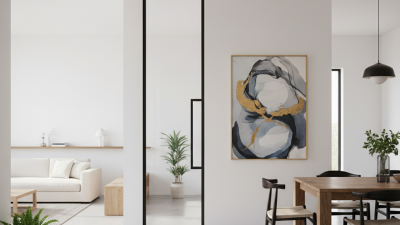
The DM100 Yue Series Narrow Side Swing Door is a prime example of how modern architectural designs can integrate aesthetic appeal with energy efficiency. With its innovative design principles, this door exemplifies the growing trend towards minimalism in contemporary homes, reflecting consumers' increasing preference for space optimization and visual clarity. According to a recent report from the International Energy Agency, buildings account for nearly 40% of global energy consumption, emphasizing the importance of energy-efficient architectural features. The DM100 door's narrow frame design, at a mere 100mm, not only enhances the visual transparency of spaces but also plays a significant role in energy conservation by maximizing natural light and reducing reliance on artificial lighting.
Moreover, the door's incorporation of automotive-grade double-layer tempered glass significantly boosts its thermal insulation properties, making it an excellent asset for energy-efficient homes. Industry studies indicate that homes equipped with high-quality insulation can see heating and cooling costs reduced by up to 30%. By providing a comfortable and quiet indoor environment—keeping spaces warm in winter and cool in summer—the DM100 door aligns seamlessly with modern demands for eco-friendly living without sacrificing style. Additionally, the ease of operation facilitated by advanced hardware ensures longevity and user satisfaction, reinforcing the idea that practical functionality can coexist with sophisticated design in the realm of modern architecture.
FAQS
: Their sleek lines create a modern look and enhance any space. About 70% of homeowners prefer contemporary designs.
They often feature advanced insulation technologies, potentially reducing energy consumption by up to 30%.
Not always. Installation can be complex if current structures aren’t compatible. Professional advice is recommended.
Aluminum, glass, and wood are popular. Each material has unique strengths and weaknesses affecting durability.
Aluminum frames are lightweight and strong, resistant to rust, and endure harsh conditions well.
Glass enhances openness and light but may require reinforcement due to fragility. Some people express privacy concerns.
Wood offers beauty and warmth but can warp and requires more maintenance over time compared to aluminum or glass.
Knowledgeable builders can help assess specific environments and make informed choices suited to geographic challenges.
Yes, their design typically allows for more natural light, brightening homes and offices.
Yes, selecting an inappropriate material may result in dissatisfaction with performance or aesthetics over time.
Conclusion
The article "The Best Narrow Frame Door Solutions for Global Buyers" explores the evolving designs and growing popularity of narrow frame doors in the construction industry. It discusses key factors driving this trend, such as aesthetic appeal, space-saving advantages, and the increasing demand for modern and sleek architectural elements. A comparative analysis of materials used in the production of narrow frame doors highlights the diverse options available, which cater to varying consumer preferences and regional demands.
Market insights reveal trends in the supply and demand for narrow frame doors in 2023, indicating a robust growth trajectory. The article also addresses innovations in production technology, emphasizing improvements in efficiency and sustainability practices within the manufacturing processes. By understanding global market leaders and their strategies, buyers can make informed decisions when selecting narrow frame door solutions that align with both functionality and environmental considerations.

 CASE
 NEWS
 INTRODUCTION
 HISTORY
 PRODUCT FILMS
 BIM & CAD
 +86 180 3872 3256
 Email