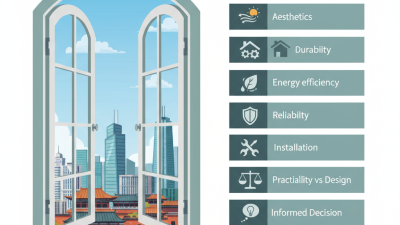
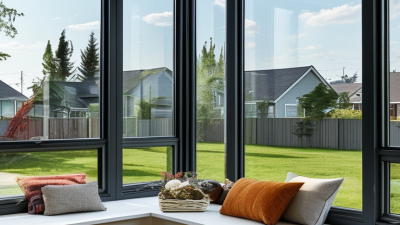
Choosing Flush Fin Windows for your home isn’t just about how they look — although, let’s be honest, they do add a sleek, modern touch that boosts curb appeal. They’re also great for keeping your energy bills in check. I remember reading that, according to the American Institute of Architects, the kind of windows you pick can really impact how much energy your house uses. In fact, up to 30% of heating or cooling costs can sneak away through poor-quality windows — yikes!
Flush fin windows are specially designed to cut down on drafts and air leaks, which means more comfort and less money spent on energy bills. A study from the National Association of Home Builders even says that homes with good, high-performance windows can cut their energy costs by anywhere from 15 to 20 percent. But honestly, choosing the right flush fin windows isn’t always straightforward. There’s a lot to think about — like your local climate, the frame materials, and how the windows will be installed.
Speaking from my own experience, I know a lot of homeowners admit they feel a bit overwhelmed with all the options out there. Sometimes people focus too much on how a window looks and forget about the practicality — then they end up regretting it later. So, I’d say the best approach is finding a good balance between style and energy efficiency. Knowing what makes flush fin windows tick is pretty important, because without a little research, it’s easy to end up with windows that don’t perform as you'd hoped.

Understanding Flush Fin Windows and Their Benefits
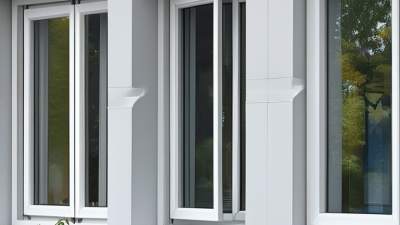
Flush fin windows offer a sleek and modern look for residential architecture. These windows have a unique frame that integrates smoothly into the wall surface, enhancing the overall aesthetic of a home. According to a report by the American Architectural Manufacturers Association, flush fin windows can improve energy efficiency by up to 15%. This is primarily due to their seamless design, which minimizes air leakage compared to traditional window styles.
One significant benefit of flush fin windows is their ease of installation. They are designed to fit directly against the wall framing. This can often reduce labor costs and installation time, making them an attractive option for homeowners. A survey from the National Association of Home Builders indicated that over 60% of builders prefer flush fin windows due to their simplicity and effectiveness. However, homeowners should reflect on their climate and location. In extreme weather conditions, more traditional window styles might offer better insulation properties.
While flush fin windows are visually appealing, they may not suit every architectural style. Some homes require more decorative window options to match their exterior design. Homeowners should weigh the aesthetic benefits against potential limitations. This critical reflection ensures that you choose windows that enhance your home's look and performance.
Key Factors to Consider When Selecting Flush Fin Windows
When selecting flush fin windows for your home, consider key factors that can impact both aesthetics and functionality. The design of the windows should complement the architectural style of your house. Different finishes and colors can change the overall look. A well-chosen window can enhance curb appeal and create a cohesive appearance.
Energy efficiency is crucial when choosing windows. Look for double-glazed options or those with low-E coatings. These features can reduce energy costs and improve comfort. Reflect on how much sunlight enters your home. Too much can cause heat buildup, while too little may affect natural lighting.
Consider the installation process as well. Some flush fin windows require professional installation, while others may be suitable for DIY projects. Take time to analyze your skills and resources. It could be tempting to save money by handling it yourself, but mistakes can lead to costly repairs. Evaluate your choices carefully to ensure the best fit for your home.
Materials Used in Flush Fin Windows: A Comparative Analysis
Choosing flush fin windows for your home involves a keen understanding of materials. Each option comes with distinct advantages and disadvantages.
Vinyl is a popular choice due to its low maintenance and insulation properties. Reports indicate that vinyl windows can provide a 30% energy savings over wood. However, they may not offer the same aesthetic appeal as wood or aluminum. On the other hand, aluminum windows are renowned for their strength and longevity but may convey more heat, potentially raising energy costs. A recent industry analysis revealed that aluminum frames could increase heating costs by up to 15% in colder climates.
When evaluating materials, consider the climate where you live. If your area experiences extreme temperatures, look for options with high energy efficiency ratings. Invest in double or triple-pane glass for better insulation.
Some homeowners find wood windows appealing. They provide superior aesthetics but require more upkeep. Periodic painting and sealing can be burdensome. Think about how much maintenance you can realistically commit to before making your choice.
Energy Efficiency Ratings and Their Importance
When selecting flush fin windows for your home, understanding energy efficiency ratings is crucial. These ratings impact your long-term energy costs and comfort. Look for windows that display their performance metrics clearly. The U-factor measures heat transfer; lower values indicate better insulating properties. Solar heat gain coefficient (SHGC) reflects how much solar heat enters your home. A lower SHGC is beneficial in hot climates, while a higher value is advantageous in colder areas.
Consider the Energy Star certification as a benchmark. Windows with this label meet strict energy efficiency standards. However, be wary of misleading claims. Some products may exaggerate their benefits. Conduct independent research to validate the information provided. Use resources from reputable organizations to make informed decisions.
Regularly review your window choices during home improvements. Each change impacts energy efficiency and comfort levels. Keep up with advancements in window technology as well. They evolve rapidly, and new options may offer better performance. Prioritize energy efficiency, but balance it with aesthetics and overall design.
Aesthetic Styles: Matching Flush Fin Windows with Home Design
Choosing flush fin windows is not just a technical decision. It greatly impacts your home’s overall aesthetic. These windows blend seamlessly with both modern and traditional designs. Their flat edges create a sleek look, enhancing the exterior's profile. Matching the window style to your home's architecture is crucial. Think about the lines and materials of your house.
Consider the color and finish of flush fin windows. Whites, grays, and natural wood tones often pair well with various designs. But don’t shy away from bold colors if they suit your style. They can create an eye-catching contrast. Yet, balancing is essential. A window too prominent might clash with your home’s character.
Reflect on your long-term vision. Will the selected windows still appeal in a few years? Designs can shift in popularity. Your choice should harmonize with surroundings. A well-chosen flush fin window can elevate your home's aesthetic. However, ensure it reflects your personal taste as well. After all, a home should feel uniquely yours.
Installation Considerations for Flush Fin Windows
When choosing flush fin windows, installation considerations are crucial. These windows are designed to sit flush against the exterior wall, providing a sleek look and enhancing energy efficiency. Before installation, consider the specific wall type of your home. The process may vary depending on whether you have brick, wood, or stucco exteriors.
Ensure precise measurements are taken. Even a small error can lead to significant issues. Evaluate the frame's compatibility with your wall. In some cases, additional framing is required. It’s vital to consult with professional installers who understand the nuances of flush fin windows. Their experience can prevent mistakes that might otherwise cause water leaks or thermal inefficiency.
Balance aesthetics with functionality. These windows need to integrate well with your home's design while providing insulation. Think about the potential for drafts or condensation. If flush fin windows are not installed properly, they may not perform as expected. Ultimately, ensuring proper technique during installation increases longevity and satisfaction with your investment.
How to Choose Flush Fin Windows for Your Home? - Installation Considerations for Flush Fin Windows
| Dimension | Option 1 | Option 2 | Option 3 |
| Frame Material | Vinyl | Aluminum | Wood |
| Glass Type | Double Glazed | Triple Glazed | Low-E Glass |
| Energy Rating | U-Value 0.30 | U-Value 0.25 | U-Value 0.20 |
| Color Options | White | Black | Custom Colors |
| Warranty Period | 10 Years | 15 Years | Lifetime |
Maintenance Tips for Longevity of Flush Fin Windows
Maintaining flush fin windows is crucial for their longevity. Regular cleaning helps prevent dirt buildup. You can use a mild soap solution and a soft cloth for this process. Be gentle to avoid scratching the glass or damaging the frame. Pay special attention to the corners where grime tends to accumulate. Check the seals periodically; damaged seals can lead to moisture intrusion.
Inspecting the hardware is also important. Hinges and locks should function smoothly. Lubricate these parts every few months to ensure they operate properly. If any hardware shows wear, consider replacing it promptly to avoid more significant issues later.
Finally, remember that climate can impact window performance. In areas with extreme weather, extra care is needed. Consider using storm windows for additional protection. Reflect on your home's needs and adjust your maintenance schedule accordingly. Regular upkeep can seem tedious, but it saves money in the long run.
FAQS
: Common materials include vinyl, aluminum, and wood. Each has its pros and cons.
Vinyl windows are low maintenance and provide good insulation. They may lack aesthetic appeal.
Aluminum frames can raise heating costs by up to 15%. They are strong but can conduct heat.
Choose windows with high energy efficiency ratings for extreme temperatures. Double or triple-pane glass helps.
Match window style to your home's architecture. Balance colors carefully to avoid clashing.
Regular cleaning is key. Use mild soap and soft cloths, especially in corners.
Smoothly functioning hinges and locks are essential. Lubricate parts every few months to avoid wear.
Extreme weather requires more attention. Consider storm windows to protect against harsh conditions.
Periodic painting and sealing of wood windows may seem tedious but are essential for longevity.
Select colors and styles that match your vision. Your home should feel uniquely yours.
Conclusion
Flush Fin Windows are a stylish and functional choice for homeowners seeking to enhance their property’s curb appeal and energy efficiency. These windows, characterized by their sleek design that integrates seamlessly with the exterior of a home, offer numerous benefits including improved insulation and reduced energy costs. When selecting flush fin windows, it’s essential to consider factors such as materials, energy efficiency ratings, and aesthetic styles to ensure they complement the overall home design.
A comparative analysis of the materials used in flush fin windows highlights the importance of durability and maintenance, with various options available to suit different climates and preferences. It's also crucial to pay attention to installation considerations, as proper fitting will maximize performance and longevity. By following maintenance tips, homeowners can ensure their flush fin windows remain functional and visually appealing for years to come, ultimately contributing to a more energy-efficient home.

 CASE
 NEWS
 INTRODUCTION
 HISTORY
 PRODUCT FILMS
 BIM & CAD
 +86 180 3872 3256
 Email