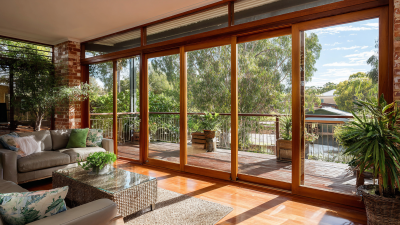
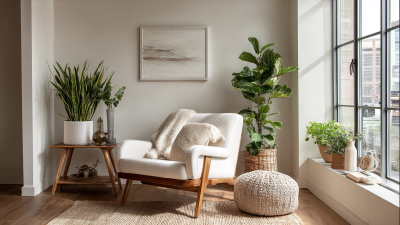
You know, when it comes to interior design, Minimalist Art has really made a big splash. It’s all about clean lines, simple looks, and functionality — stuff that just works. As modern spaces keep changing, people are actually pretty eager to explore new twists on this style, pushing past traditional minimalism while still keeping that chic, understated vibe.
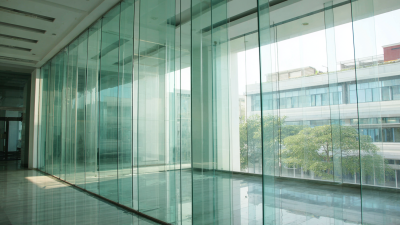
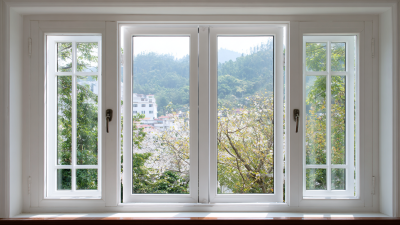
I read somewhere that, according to the International Interior Design Association, the global market for minimalist and contemporary designs is expected to hit over $30 billion by 2025. That just shows how much folks love (or are willing to invest in) fresh takes on this aesthetic. Companies like Zhichu Construction Technology in Guangdong are really leading the way, offering fancy minimalistic narrow-edge doors and windows that perfectly balance style and practicality.
Honestly, by stepping outside the classic minimalist box and exploring new ideas, we can totally rethink how we design modern interiors — making spaces that are not just eye-catching but also super functional and livable.
Innovative Artistic Movements Beyond Minimalism: A New Perspective
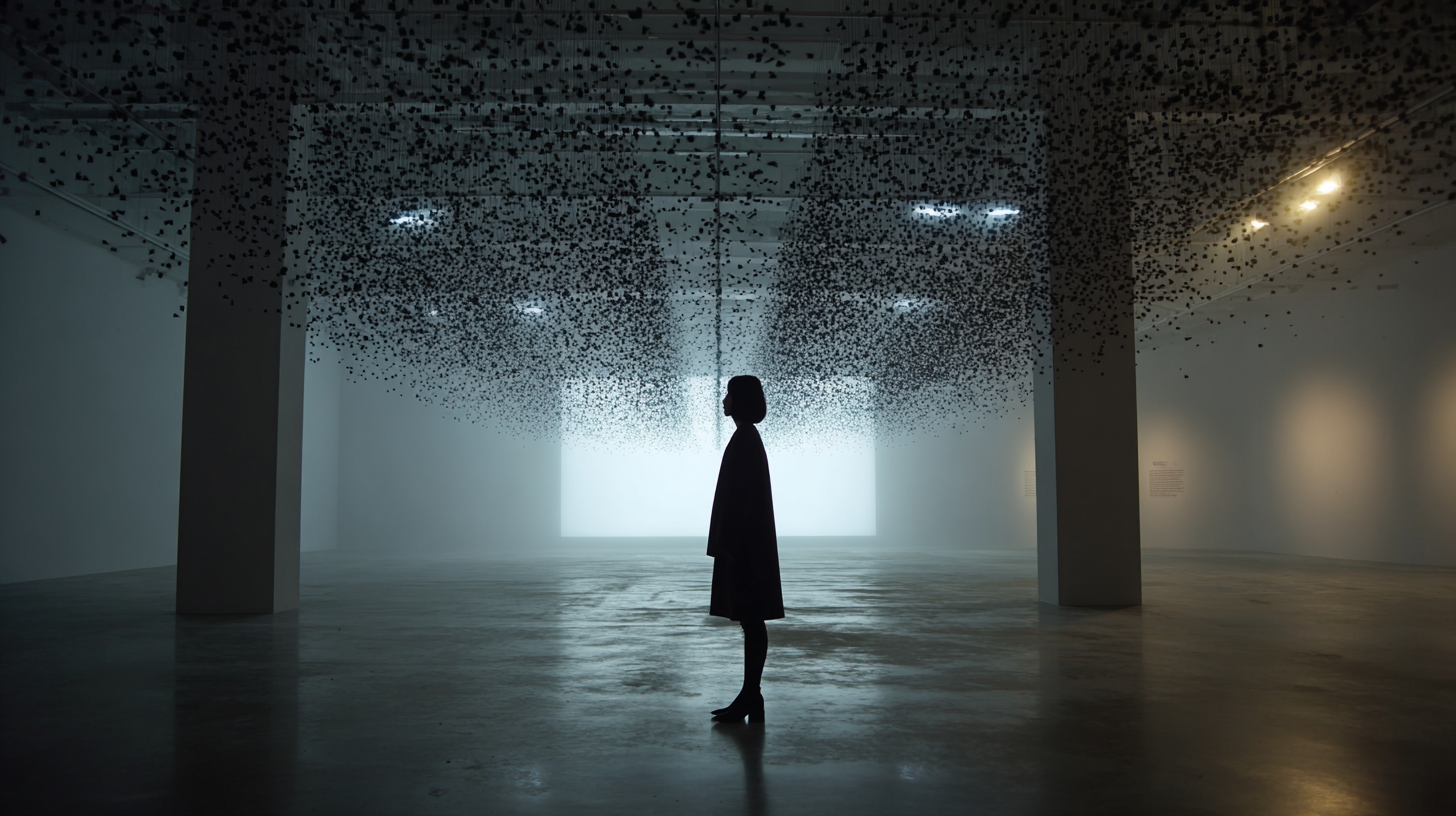
When it comes to contemporary art, Minimalist Designhas pretty much ruled the scene for a long time, really emphasizing clean simplicity and practicality. But lately, there’s been a fresh wave of artistic styles popping up, challenging The Minimalist vibe and offeringbold, lively alternatives that totally transform modern spaces in unexpected ways. These new movements—think Maximalism, Interactive Art, and beyond—really invite a conversation between the art and its surroundings, adding personality and energy to any room.
If you're thinking about curating a space with these kinds of artistic choices, don’t be shy about using bright colors and mix-and-match patterns that spark emotion. Playing around with different textures can add so much depth and make the space feel more alive. For example, layering different rugs or combining contrasting fabrics can strike that sweet spot between chaos and coziness.
And here’s a fun idea—adding interactive art pieces. These are way more engaging than traditional static artwork, right? Installations or wall art that invite people to participate can take a plain room and turn it into something extraordinary. Think about including elements that change when viewers interact with them, creating a genuine connection—something a minimalist piece might not quite offer.
Integrating Nature: Biophilic Design in Modern Art Spaces
Lately, biophilic design has really taken off as a game-changer in modern art spaces. Basically, it’s about bringing the outdoors inside — blending nature into how these spaces look and feel. I read a report from the International Indoor Biophilic Design Summit that said rooms with these natural touches can boost creativity and productivity by as much as 15%. It’s not just about making things look pretty (though it definitely does that); it also helps us feel better emotionally. It’s like creating a space where art and nature coexist in a way that genuinely feels immersive and calming.
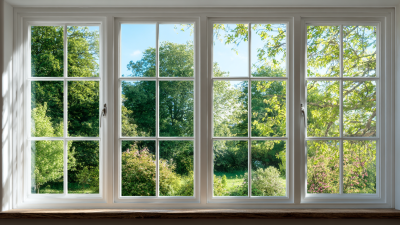
If you’re thinking about giving this a shot, I’d suggest using natural stuff like wood, stone, or cozy organic textiles. Plus, letting in loads of natural light through big windows or skylights can really change the vibe of the room. And don’t forget, sounds of nature — think running water or the gentle rustling of indoor plants — can help deepen that outdoor feel and add a peaceful touch around your art pieces.
When designing with biophilic ideas, try to make a smooth transition between inside and outside. Green walls or small indoor gardens are such a cool way to do that. Turns out, a study in the Journal of Environmental Psychology found that just being around greenery can cut down stress levels by up to 60%. By mixing art with the natural world, these spaces can really become havens for creativity and calmness — kind of like your personal sanctuary.
Bold Color Palettes: Reimagining Aesthetics in Contemporary Interiors
Lately, bold color schemes are really making a splash in how we think about modern interior design. They bring this fresh, exciting vibe that’s quite the contrast to the usually muted, minimalist tones we often see. These bright, lively colors can totally change a space, making it feel more dynamic and expressive—like it really shows off someone's unique personality. Take the Beta Cinema in Ho Chi Minh City, for example—here, mixing in bold colors celebrates local culture and creates an inviting space that genuinely wakes up your senses. It’s almost like encouraging homeowners and designers to break free from the traditional minimalist limit and start playing with patterns and textures that add a bit of eclectic charm, creating spaces that are both fun and harmonious.
Plus, there's this cool trend towards mixing different eras, textures, and cultural touches—kind of like telling a story through your home. Designers are pulling inspiration from all sorts of artistic styles, leading to spaces that truly reflect personal and cultural narratives. It’s a nice little rebellion against the plain old minimalist look, putting vibrancy and complexity right at the forefront. Basically, by embracing bold colors and a more eclectic style, interior spaces can turn into a creative playground—kind of like a canvas that shows off who you are and the journey you’re on.
Color Palette Popularity in Modern Interior Design
Sculptural Creations: Three-Dimensional Art that Captivates and Inspires
Sculptural art is really gaining ground among modern art lovers these days, transforming ordinary spaces into something pretty eye-catching with their cool three-dimensional shapes. Lately, you see a lot of artists mixing traditional techniques with fresh, contemporary twists. Take Robert Benavidez, for example—he takes medieval monster characters from old illuminated manuscripts and turns them into vibrant, playful piñatas. It’s such a fun way to show how the past can fuel new, creative ideas. Honestly, this blend of history and modern flair doesn’t just make each piece more interesting; it totally redefines what sculpture can mean in our everyday lives.
And it’s not just that—big names like QimmyShimmy are popping up, making quirky sculptures out of dim sum, some even featuring tiny baby heads. Yeah, it sounds wild, but it really sparks conversations about cultural identity and some of the absurd stuff we see in society. Oh, and by the way, a recent industry report shows that sales of contemporary sculpture have shot up more than 20% over just the past year. That’s a clear sign people are into art that’s not only pretty but also makes you think. From cool 3D-printed pieces to super intricate paper sculptures, the sculptural scene is evolving fast and keeps inspiring fresh ideas for modern spaces.
Cultural Fusion: Embracing Diversity through Artistic Expression in Spaces
In today’s interior design, mixing different cultures through art can really make a space feel warm and lively. When you bring in influences from various traditions, it tells a bigger story—one that celebrates diversity and creativity. One great way to do this? Pick artworks that have stories to tell from different parts of the world. This could mean showcasing pieces made by local artisans or adding traditional patterns into your modern decor. Not only does that make your space more beautiful, but it can also teach and inspire everyone who visits.
A few things to keep in mind: do some background research on the cultural meaning of the art before you include it. That way, you make sure the pieces are not just pretty but also respectful and genuine. And don’t be afraid to mix different types of art—think textiles, ceramics, or even unique installations—to layer things up and really show off the richness of different cultures. When you do that, your space isn’t just visually interesting, but it also becomes a kind of conversation starter, inviting people to connect with the stories behind each piece.
Overall, it’s about creating a space that feels authentic, inspiring, and inclusive—something that tells a story and makes everyone feel a little more connected to the diverse world we live in.
Functional Art: Merging Utility and Creativity in Modern Design
Lately, you’ve probably noticed that the idea of functional art has really been gaining popularity in the design world. It’s kinda changing the game — blending practicality with a touch of creativity in a way that feels fresh and exciting. According to a report from the Furniture Today Research Institute, more than 65% of folks are now looking for pieces that aren’t just pretty to look at but also serve a real purpose. This shift is turning homes and spaces into places that are not only eye-catching but also useful, making everyday life a bit more enjoyable.
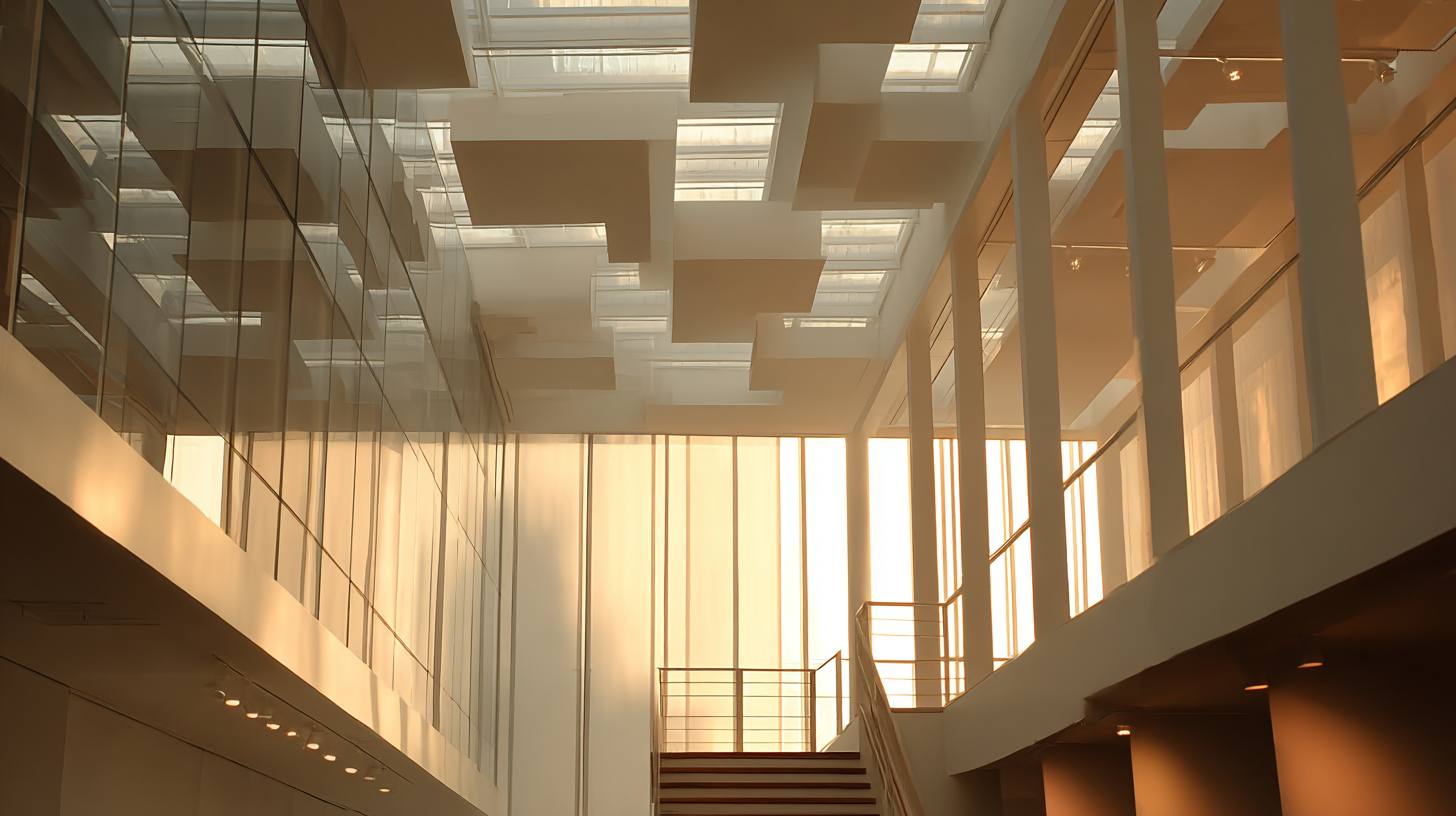
Artists and designers are really pushing the boundaries by experimenting with new materials and tech to make pieces that do double-duty — like sculptures that also function as furniture or wall art that smartly incorporates modern technology. In fact, a 2022 survey from the Design Management Institute found that brands that embrace this functional art concept see around a 30% boost in customer engagement. It’s not just about filling space — it’s about creating an experience, one that sparks creativity and makes everyday living a bit more inspiring and practical at the same time.
FAQS
: Sculptural creations are three-dimensional art forms that captivate modern art enthusiasts by transforming spaces with their unique shapes and innovative designs.
Artists like Robert Benavidez are reimagining historical references, such as medieval monsters, into modern art forms like vibrant piñatas, showcasing a fusion of the past and present in their work.
There is a noted increase in the sale of contemporary sculptures, driven by innovative and thought-provoking designs, including 3D-printed masterpieces and intricate paper sculptures.
Functional art merges utility with creativity, creating pieces that are not only aesthetically pleasing but also serve practical purposes in everyday living, transforming interiors into functional works of art.
Over 65% of consumers are looking for pieces that combine aesthetic appeal with practical use, indicating a strong demand for functional art.
Brands that integrate functional art elements in their designs experience a reported 30% increase in customer engagement, reflecting the importance of these innovative solutions.
QimmyShimmy is an artist known for creating whimsical dim sum sculptures featuring miniature baby heads, provoking discussions around cultural representation and the absurd.
Artists are using innovative materials and technologies to create multifunctional pieces that blend seamlessly into modern environments, enhancing the overall living experience.
Conclusion
When you start looking into alternatives to Minimalist Art, you'll find a pretty lively scene that can totally change how modern spaces feel — almost like a breath of fresh air. Instead of sticking strictly to minimalism, this blog shines a spotlight on other artistic movements, like biophilic design, which seamlessly blends nature into our living and working environments. It’s all about creating that nice harmony between what’s indoors and outdoors. And let’s not forget those bold color schemes— they really shake up the usual aesthetic and give things a fresh, contemporary vibe. Plus, striking sculptural pieces that pop out in three dimensions really draw people in and make a statement.
On top of that, the mix of different cultural influences in today’s art world results in a rich, diverse tapestry that really adds character and freshness to our surroundings. Functional art is also taking on a bigger role, blending usefulness with artistic flair—showing that designs can be both practical and stylish at the same time. As a leader in high-end narrow-edge system doors and windows, Zhichu Construction Technology (Guangdong) Co., Ltd. really gets how these artistic ideas can influence the overall look and feel of a space. They’re embracing a new wave of creative thinking that goes way beyond traditional Minimalist Art, opening up endless possibilities for innovative design.

 REFERENCES
 STORIES
 INTRODUCTION
 HISTORY
 PRODUCT FILMS
 BIM & CAD