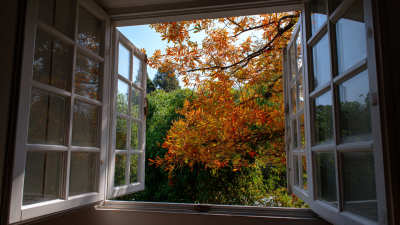
You know, when it comes to architectural design these days, mixing in some fresh, innovative elements has really become a game-changer. It’s all about making homes look stunning while also boosting functionality. Take, for example, the 'Curved Window'—it’s such a cool feature that not only makes a house stand out visually but also helps bring in more natural light and improve energy efficiency. I came across a report from the National Association of Home Builders that says homes with unique window styles like curved ones tend to be valued about 15% higher in the eyes of potential buyers. That’s pretty significant, right? It just shows how important creative design is when it comes to attracting interest and getting a better return on investment.
Plus, research from the American Institute of Architects suggests that curved windows don’t just look good—they also make indoor spaces better. They promote better airflow and create cozy, inviting atmospheres that folks really connect with. The shape of these windows gives you unobstructed views and a seamless feel with the outdoors, which more homeowners are really into these days. Thanks to advances in glass technology and framing options, adding curved windows to homes has become easier and more appealing than ever. So, as we talk about how these windows can boost your home’s style, let’s also check out some practical tips on how to get them just right in your own space.
Understanding Curved Windows: A Unique Architectural Feature
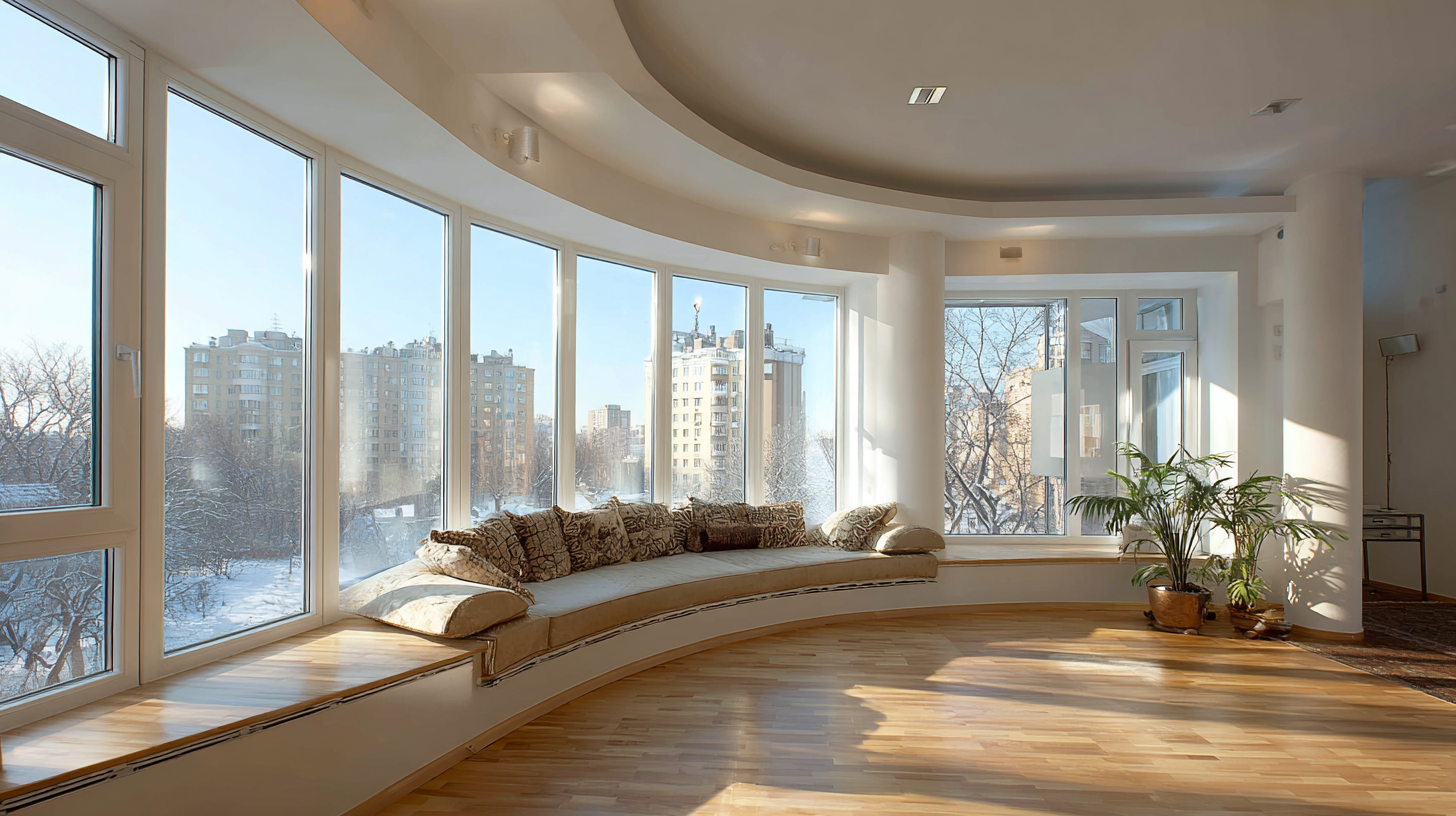
Curved windows have emerged as a distinctive architectural feature that elevates both interior and exterior aesthetics of modern homes. Unlike traditional rectangular windows, curved windows create a seamless flow of light and provide a panoramic view of the outdoors. According to a report by the American Institute of Architects, homes with unique window designs, such as curves, can see an increase in market value of up to 10%. This enhancement not only adds visual appeal but also fosters a sense of spaciousness within the living space.
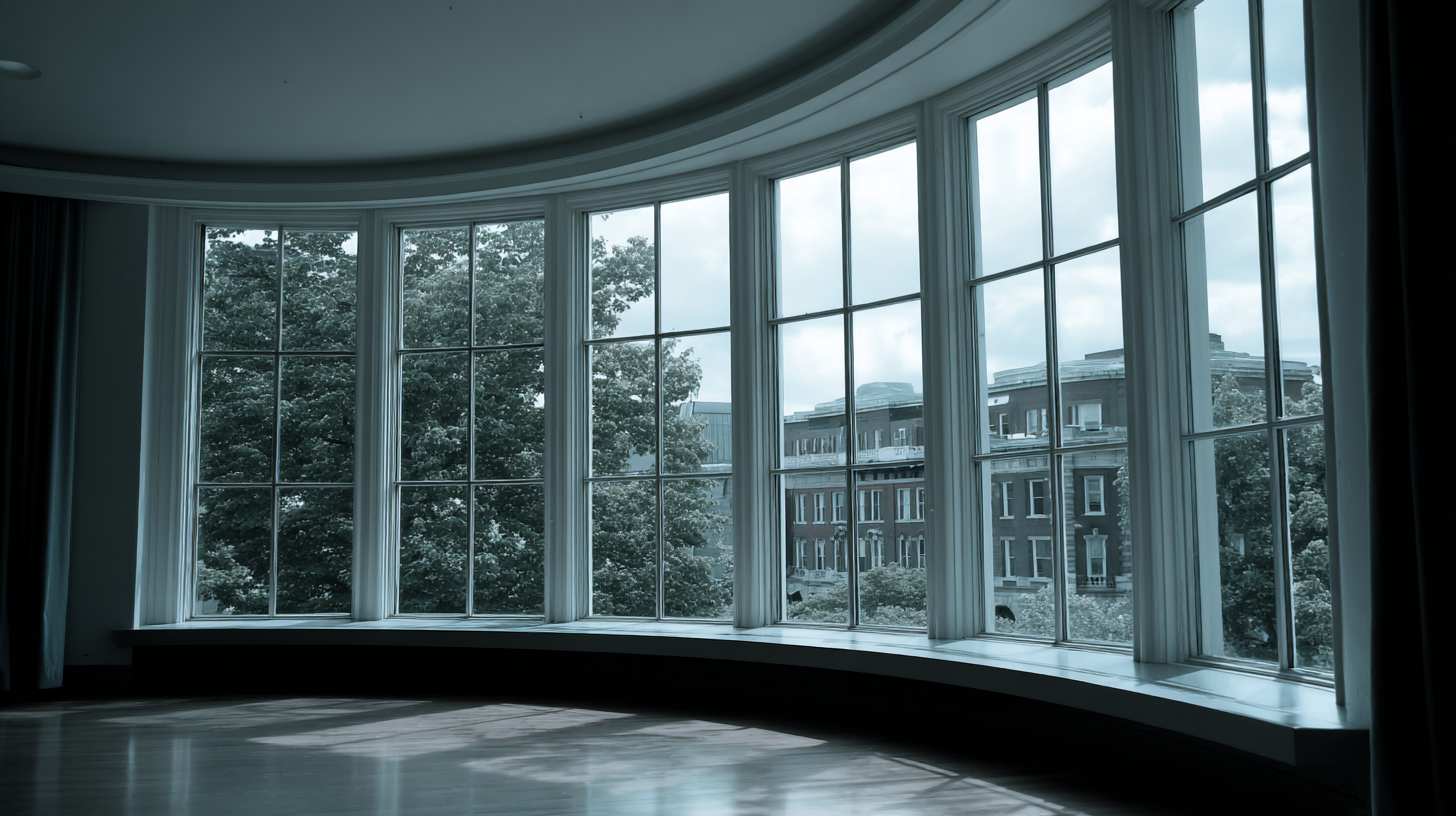
Incorporating curved windows into home design can also offer practical benefits. Building material supplier statistics highlight that energy-efficient curved windows can reduce heating and cooling costs by approximately 15% compared to their conventional counterparts. The innovative structure allows for better light distribution, minimizing the reliance on artificial lighting during the day. As homeowners increasingly prioritize sustainability and aesthetic uniqueness, curved windows present an opportunity to merge beauty with functionality, reinforcing their role as a key element in contemporary architecture.
The Aesthetic Appeal of Curved Windows in Modern Home Design
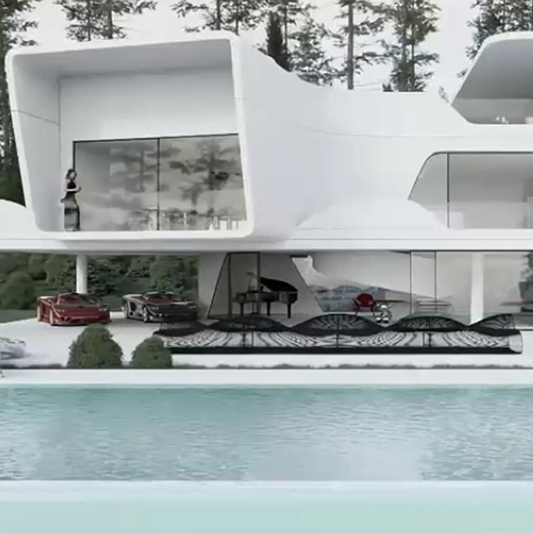
Curved windows are an exquisite addition to modern home design, offering not just visual appeal, but also a unique way to enhance the overall aesthetic of a space. The gentle arcs of these windows create a sense of flow and softness, contrasting with the rigid lines often found in traditional designs. This organic shape invites natural light to flood into the home, creating bright and airy interiors that can uplift the mood of any room. Additionally, the distinctive look of curved windows can serve as a focal point, drawing the eye and providing an element of surprise in the architecture.
Tips for Incorporating Curved Windows:
When considering the addition of curved windows, think about their placement to maximize both views and light. Position them in key areas where you'd like to blur the lines between indoor and outdoor spaces, such as living rooms or dining areas. Additionally, consider pairing curved windows with natural materials in your home’s exterior, as seen in the timeless charm of French country houses, where rustic elements enhance the sophisticated curves of the windows.
Moreover, don't shy away from using bold colors to frame your curved windows. A striking hue can highlight the seamless integration of these architectural elements, making them stand out even more. As trends lean towards harmony between functionality and beauty, curved windows definitely represent a modern update that provides elegance while inviting wellness into your living space.
Energy Efficiency Benefits of Curved Windows: A Comparative Analysis
Curved windows are not just a unique aesthetic feature in modern home design; they also play a significant role in enhancing energy efficiency. By incorporating curves, these windows can optimize natural light intake while reducing glare and solar heat gain, which is crucial for maintaining comfortable indoor temperatures. Recent studies highlight the inefficiencies of traditional window-to-wall ratios in many buildings, leading to excessive solar radiation and increased energy consumption. Curved windows can mitigate these issues, resulting in lower energy bills and a reduced carbon footprint.
**Tips for Maximizing Energy Efficiency with Curved Windows:**
- **Consider Orientation**: Position your curved windows to take advantage of sunlight during colder months while providing shading in the summer, minimizing overheating.
- **Use Thermochromic Glass**: Integrating smart glass that adapts to temperature changes can further enhance the energy-saving potential of your curved windows.
Furthermore, implementing passive design strategies, such as utilizing natural ventilation alongside curved windows, can significantly reduce overall energy demands. This complements efforts in energy-efficient building renovations, which show promising results in various climates. By choosing the right materials and design, homeowners can enjoy the beauty and benefits of curved windows while also contributing to a sustainable environment.
Curved Windows and Natural Light: Enhancing Indoor Ambiance
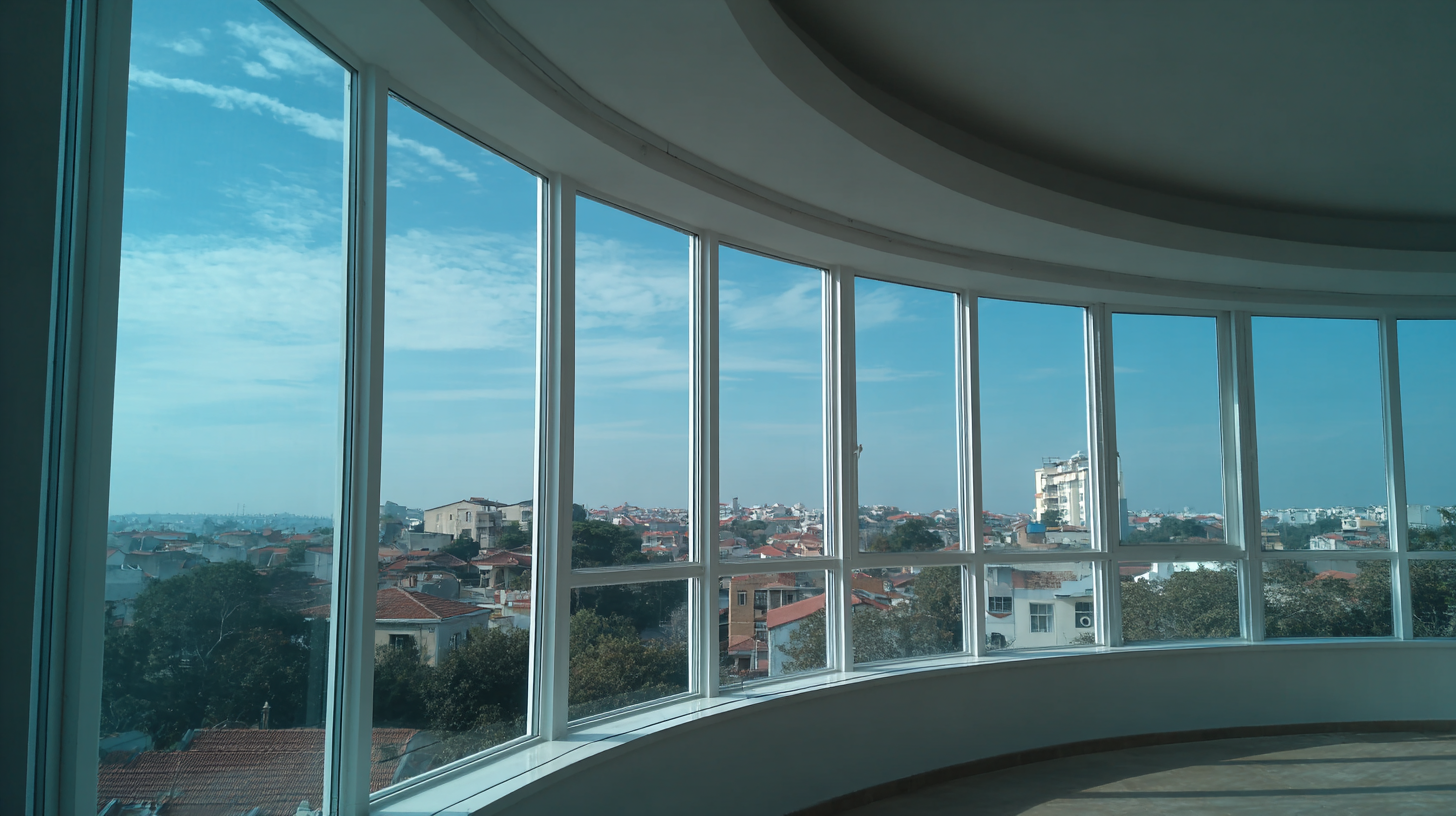
Curved windows are a striking architectural element that not only enhance the aesthetic appeal of a home but also significantly impact natural light distribution within indoor spaces. Their unique shape allows for a more expansive view of the outdoors, creating a seamless connection between the interior and the surrounding environment. This visual link encourages the flow of natural light, making rooms feel brighter and more inviting. Unlike traditional rectangular windows, curved designs evoke a sense of fluidity and movement, drawing the eye and enhancing the overall ambiance.
Moreover, the ability of curved windows to diffuse sunlight creates a softer lighting effect, reducing harsh shadows and minimizing glare. This gentle illumination can transform the mood of a room, making it feel more serene and comfortable. In spaces like living rooms or sunrooms, the interplay of light and shadow through these windows can highlight architectural features and furnishings, adding depth to the design. By allowing more light to penetrate deeper into the home, curved windows not only brighten up the space but also improve the overall energy efficiency, reducing the need for artificial lighting during the day.
Installation Considerations for Curved Windows: Cost and Complexity
When considering the installation of curved windows, homeowners should be aware of the associated costs and complexity involved. Curved windows, known for their unique aesthetic appeal, come with a higher price tag compared to standard rectangular windows. According to industry reports, homeowners can expect to pay anywhere from $800 to $2,500 per window, largely dependent on the materials, size, and curvature of the window. This elevated cost often reflects not only the window's design but also the specialized installation that curved windows necessitate.
The installation process for curved windows can be significantly more complex due to their custom nature. Builders need to ensure precise measurements and angles, which often requires skilled labor. Estimates indicate that installation costs alone can range from $300 to $1,200, adding to the overall investment. Additionally, factors such as local labor costs and potential structural modifications can influence the final pricing. Therefore, prospective buyers should conduct thorough research and consult professionals to fully understand the implications of choosing curved windows for their home design.
Cost and Complexity of Installing Curved Windows
Market Trends: Growing Popularity of Curved Windows in 2025 Home Design
Curved windows are quickly becoming a prominent feature in home design, reflecting a shift towards more organic and fluid aesthetics in architecture. As the market trends suggest, the growing popularity of curved windows in 2025 indicates a desire for spaces that not only enhance visual appeal but also allow for greater natural light and panoramic views. Homeowners are increasingly attracted to these unique designs, which can serve as striking focal points and contribute to a modern, airy atmosphere.
At Zhichu Construction Technology (Guangdong) Co., Ltd., we recognize the importance of adapting to these emerging trends. Established in 2009, our company specializes in high-end minimalist narrow-edge system doors and windows, integrating system research and development with production and technical services. Our products are designed to seamlessly integrate into contemporary spaces, highlighting the beauty of curves while ensuring functionality and durability.
**Tips for incorporating curved windows into your home:**
1. Consider placement carefully to maximize natural light and views.
2. Choose complementary furnishings that accentuate the graceful lines of the windows.
3. Explore energy-efficient glass options that maintain aesthetics while improving insulation.
Embracing curved windows can redefine your living space, making it not only visually appealing but also a welcoming environment.
Enhancing Home Aesthetics and Energy Efficiency: Insights from Industry Reports on OD.DP110 Culvert Series Windows
The DP110 Han series narrow-edge outward-Opening Windows stand out in enhancing home aesthetics and energy efficiency, combining safety protection and aesthetic integration effectively. In the recent industry reports, modern residential needs have increasingly gravitated towards designs that merge transparency, practicality, and safety seamlessly. The DP110 series, with its minimalist lines and a 75mm narrow-edge visible width, not only enhances the facade's attractiveness but also maximizes indoor lighting, aligning with the contemporary preference for bright, airy living spaces.
Further emphasizing functionality, the innovative hidden drainage system is engineered to handle various weather challenges, including wind, frost, rain, and snow, thus ensuring long-term durability. Reports indicate that homes equipped with energy-efficient windows can experience up to 30% reductions in heating and cooling costs. The patented handle linkage new toggle lock system enhances user convenience while fortifying the window’s sealing capabilities, contributing to improved energy efficiency.
Safety features are at the forefront of the design, with the Japan Aimijie high-transparency screen offering not just insect protection but also unobstructed views. Additionally, the inclusion of a standard child limiter and installable glass guardrail mitigates risks, particularly in homes with young children. As detailed in industry analyses, homes that prioritize both security and style see higher satisfaction rates among occupants, ultimately establishing a comforting atmosphere. The DP110 series encapsulates this ideal, achieving a harmonious balance between functionality, aesthetic appeal, and safety, making it an exceptional choice for modern residences.
FAQS
: Curved windows are a distinctive architectural feature characterized by their non-rectangular shape, allowing for a seamless flow of light and panoramic outdoor views, unlike traditional rectangular windows.
Curved windows enhance both interior and exterior aesthetics, creating a unique visual appeal and fostering a sense of spaciousness within the living space.
According to the American Institute of Architects, homes with unique window designs, like curved windows, can see an increase in market value of up to 10%.
Curved windows can reduce heating and cooling costs by approximately 15% compared to conventional windows due to their better light distribution and reduced reliance on artificial lighting.
Homeowners can maximize energy efficiency by considering the orientation of the windows to optimize sunlight exposure, using thermochromic glass, and implementing passive design strategies like natural ventilation.
Curved windows enhance natural light distribution, creating a brighter and more inviting ambiance, diffusing sunlight for a softer lighting effect that reduces harsh shadows and glare.
By optimizing natural light intake and reducing glare and solar heat gain, curved windows help maintain comfortable indoor temperatures and lower energy bills, contributing to a reduced carbon footprint.
Yes, integrating smart glass, such as thermochromic glass, can improve the energy-saving potential of curved windows by adapting to temperature changes.
Curved windows merge aesthetic uniqueness with functionality, allowing homeowners to create beautiful spaces that also support sustainability through reduced energy demands and enhanced natural light use.
Conclusion
Curved windows are an innovative architectural feature that adds a unique touch to modern home design. Their aesthetic appeal is undeniable, offering a seamless blend of elegance and functionality that enhances both the exterior and interior of a home. Additionally, curved windows provide significant energy efficiency benefits, optimizing natural light and creating an inviting ambiance indoors. As market trends indicate a growing popularity of curved windows in 2025, homeowners are increasingly attracted to their beauty and practical advantages.
When considering the installation of curved windows, factors such as cost and complexity play a crucial role. Companies like Zhichu Construction Technology (Guangdong) Co., Ltd. are at the forefront of this trend, specializing in high-end Minimalist Designs that incorporate advanced system research and development. As curved windows become a staple in contemporary architecture, they offer an exciting opportunity for home design that combines style with sustainability.

 REFERENCES
 STORIES
 INTRODUCTION
 HISTORY
 PRODUCT FILMS
 BIM & CAD