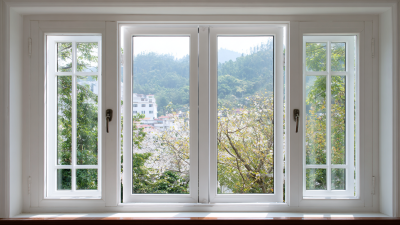
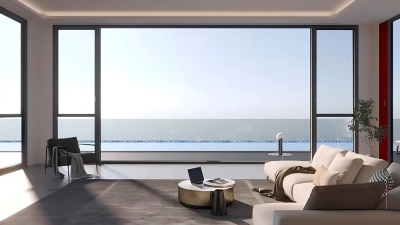
Nowadays, energy efficiency is a big deal for homeowners and builders alike—especially when it comes to choosing the right window glass for a project. Did you know that, according to the U.S. Department of Energy, windows can make up about 25-30% of the energy we use for heating and cooling in our houses? That’s pretty significant, which is why picking the right kind of window glass really matters if you’re trying to cut down energy bills.
At Zhichu Construction Technology (Guangdong) Co., Ltd., we’re all about high-end, minimalist narrow-edge system doors and windows. Since we started back in 2009, we’ve focused a lot on researching advanced systems, and we genuinely believe that choosing the right insulating glass can make a huge difference—both for comfort and saving some cash on energy costs.
Plus, with the industry shifting towards more energy-efficient options, it’s important to understand the different types of window glass out there. That way, you can make smarter choices for better insulation and a greener footprint overall.
Understanding Window Glass Types: A Comprehensive Overview
When you're choosing window glass for better energy efficiency, it’s super important to understand the different types out there. The most common ones you’ll hear about are single, double, and Triple Glazing. So, single glazing just means one pane of glass — it’s kinda basic and doesn’t do much in terms of insulation, so it’s not the best if you’re really trying to save on energy. Double glazing, on the other hand, has two panes with a little space in between, which really helps cut down on heat loss and keeps things warmer inside. Plus, if it’s filled with an inert gas like argon, that boosting the insulation even more. And if you’re all about max efficiency, triple glazing might be the way to go — three panes of glass that are perfect for really cold or extreme climates.
Another thing to think about is the coating on the glass. Low-E (low-emissivity) coatings are pretty cool—they reflect infrared heat but still let the sunlight in, which means less heat gets in during summer and less heat escapes during winter. You can also get tinted glass to cut down on glare and add a bit of privacy. And, for those extra security and noise reduction perks, laminated glass is a good pick. All in all, understanding these different types and their benefits helps homeowners make smarter choices that fit their energy goals and personal style. It’s really about finding what works best for you and your home.
The Role of Insulation in Energy-Efficient Window Glass
When you're looking into energy-efficient window glass, insulation really makes all the difference in how well your windows perform thermally. Lately, there’ve been some pretty exciting advances, like these thin triple insulating glass units that pack a punch when it comes to insulation. They’re designed to improve U-values, which basically tells you how much heat a window lets through. As more folks are trying to make their homes more energy-friendly, choosing windows with these high-tech insulating materials becomes pretty much a no-brainer.
A good tip for picking the right insulating glass is to pay attention to the coatings. For instance, there’s heat-insulating glass with special transparent coatings that block out unwanted heat while still letting in natural light—that’s a win-win. And if you want to get really fancy, materials like aerogels can boost the insulation even more—imagine clear, energy-saving windows that don’t sacrifice light or style.
People living in colder climates are especially noticing how upgrading to these modern, energy-efficient windows can really make a difference. Plus, manufacturers are now putting more focus on products that not only insulate well but also incorporate energy storage. All these tech improvements not only make your home more comfortable but can also help you slash your energy bills and reduce your carbon footprint. It’s pretty impressive how far window tech has come, honestly.
5 Key Factors to Consider When Choosing Window Glass
When you're picking out new window glass, energy efficiency really should be at the top of your list. First off, the type of glass matters a lot—things like double or triple glazing are way better at insulating than single-pane options. Basically, these extra layers trap air in between, which helps cut down on heat loss and keeps your home comfy without cranking up the heater or AC, and yeah, it can actually save you some money on energy bills.
Another thing to look out for is a Low-E (low emissivity) coating. It's a super-thin layer on the glass that reflects infrared light—so it keeps the warmth inside during winter and blocks out extra heat in the summer. Adding these coatings can really boost your home’s overall energy performance.
And don’t forget about the frame material! Fiberglass and vinyl frames usually insulate a lot better than aluminum frames, which tend to conduct heat more easily. So, picking the right frame can make a difference.
Oh, and one more thing—check out the solar heat gain coefficient, or SHGC. It tells you how much sunlight passes through the glass. For places with lots of sun, a lower SHGC is better because it helps keep your home cooler and reduces unwanted heat buildup.
All in all, by focusing on these main things—the type of glass, coatings, frame material, and SHGC—you’ll be able to choose windows that not only keep your home cozy but also help save energy and money in the long run.
Comparing Low-E Glass vs. Traditional Glass for Energy Savings
When you're picking out window glass with energy efficiency in mind, it's pretty important to compare Low-E glass to the traditional kind. So, here’s the deal: Low-E glass has this special coating that kind of bounces heat back outside or inside, depending on the season, while still letting in natural light. This means your windows do a better job insulating your home and helping you save on energy bills. According to the U.S. Department of Energy, installing Low-E glass can cut down heat loss during winter by up to 30 to 50 percent—pretty impressive, right? That makes it a no-brainer if you're serious about saving some cash on heating and cooling for your house or office.
Now, regular old glass doesn’t have these fancy energy-saving features, so it often leads to higher costs because your HVAC system works harder to keep everything comfortable. A report from Lawrence Berkeley National Laboratory shows that homes with Low-E windows can save anywhere from $300 to $500 a year on energy bills—though of course, that can vary depending on where you live and how much energy costs in your area.
And speaking of high-quality solutions, Zhichu Construction Technology (Guangdong) Co., Ltd., a company known for their sleek, minimalist narrow-edge window systems, is really committed to bringing innovative, eco-friendly tech to their products. Since they've been around since 2009, they’ve focused on integrating these advanced window features—like Low-E glass—to not just look good but help consumers stay comfy and cut down costs in the long run.
How Tinting and Coatings Enhance Window Performance
When you're choosing window glass for better energy efficiency, it's worth thinking about tinting and coatings. The U.S. Department of Energy mentions that the right window films can cut down heat from entering by 30 to 50% during the hotter months — which can really help lower your cooling bills. Tinting is pretty great because it blocks out those harsh UV rays but still lets in natural light, so you get a good mix of visibility and comfort. If you’re somewhere with lots of sunshine, this can really add up in energy savings.

Plus, there are special coatings like Low-E (that's short for low emissivity) that boost how your windows perform. These coatings bounce back infrared heat while still letting in visible light. Research from the National Renewable Energy Laboratory shows that using Low-E windows can slash energy costs by up to 25%. At Zhichu Construction Technology (Guangdong) Co., Ltd., we really focus on using cutting-edge technology in our minimalist narrow-edge system doors and windows. Our products are all about combining sleek looks with high energy efficiency — thanks to advanced tinting and coatings that don't just look good but actually help you save a ton on energy bills.
The Impact of Window Orientation on Heat Gain and Loss
Figuring out which way your windows face is actually pretty important when it comes to how energy-efficient your house is. For example, south-facing windows usually soak up the most sun, especially in winter when the sun’s lower in the sky. That means your home can get quite warm from the sunlight, which might make you want to invest in good-quality glazing to prevent overheating. If you pick window glass with a low solar heat gain coefficient (SHGC), you can take advantage of the sun to help warm up your place naturally during cold months, without turning it into a sauna during summer.
Now, windows facing north get way less direct sunlight, so naturally, they don’t let in as much heat. But here’s the thing — during winter, those same windows can actually let heat escape, making it harder to keep your place warm. To deal with that, double or triple-glazed windows filled with gas can help insulate better and cut down on your heating bills. You can also add window stuff like shades or reflective films to help control the temperature swings depending on which way your windows face.
Basically, understanding how your window orientation impacts heat flow can really help you make smarter choices for your home. It’s all about balancing the sunlight and insulation to boost your energy efficiency and save some cash in the long run.
Exploring the Benefits and Features of the OD.60CV Series Narrow Edge Micro Ventilation Window
The OD.60CV Series Narrow Edge Micro Ventilation Windows represent a perfect fusion of minimalist aesthetics and functional design, addressing the multifaceted needs of modern living spaces. With a striking 130mm ultra-narrow frame and a column-free structure, these windows feature a robust 3.0mm thick profile that supports a stunning ultra-large panoramic view crafted from floor-to-ceiling glass. This innovative design creates an elegant frame that not only enhances the visual appeal of any room but also invites abundant natural light and picturesque outdoor scenery into the home.
Ventilation comfort is paramount in the OD.60CV series, achieved through a thoughtfully designed high-transparency window screen. The 360° indoor breeze circulation system ensures that fresh air flows freely throughout the space, significantly improving the overall living environment. Alongside these aesthetic and practical benefits, safety remains a top priority. The small-area opening fan, equipped with a unique safety lock, prevents accidental openings, making it an ideal feature for families with young children. Additionally, the combination of a removable, transparent mesh offers protection against intruders and insects, while a three-layer sealing structure provides exceptional thermal and sound insulation. This comprehensive approach to window design not only creates a serene and comfortable atmosphere but also emphasizes the safety and durability that today’s homeowners seek.
FAQS
: Insulation is crucial for optimizing thermal performance in energy-efficient window glass, enhancing its ability to minimize heat transfer.
Recent advancements include thin triple insulating glass units, which offer improved U-values and overall insulating capabilities.
Low-E glass has a special coating that reflects heat and allows light to pass through, which can reduce heat loss by 30-50% during winter, unlike traditional glass that lacks these energy-efficient properties.
Upgrading can improve comfort, lower energy bills, and reduce the carbon footprint, especially beneficial for residents in colder climates.
The orientation influences heat gain and loss; south-facing windows gain more sunlight (and heat), while north-facing windows receive less, leading to potential heat loss during winter.
Innovative materials such as aerogels can improve insulation performance while maintaining clarity.
High-performance glazing with low solar heat gain coefficients (SHGC) and window treatments like shades can help minimize overheating.
Homes with Low-E glass can save between $300 to $500 annually on energy bills, depending on climate and local energy prices.
Coatings can affect heat gain and light transmission, thereby impacting overall energy efficiency and comfort levels in a home.
Using double or triple-glazed windows with gas fills can enhance insulation, and applying reflective films can help control temperature fluctuations.

 REFERENCES
 STORIES
 INTRODUCTION
 HISTORY
 PRODUCT FILMS
 BIM & CAD