Picking the right kind of doors really matters when you're designing a building. It’s not just about looks—it affects how the space works and feels, too. There are so many options out there, and understanding the different types of doors available is pretty important for architects and designers who want to create places that are not only beautiful but also practical and safe. Whether it’s a big, impressive entrance for a commercial space or a cozy, charming touch inside a home, the kind of door you choose helps set the mood and tells the story of the architecture.
Adding a mix of door styles into your design? That’s something you want to do thoughtfully. Consider things like the material, the size, the style, and how it functions. Each door type has its own vibe—like sliding doors, which are great for opening up spaces and blending inside and outside seamlessly, or traditional hinged doors that often give a classic, secure feel. When you really get how these Different Doors can impact your design, it’s easier to pick the right ones. They should fit not just the structural needs but also match your overall vision.
At the end of the day, choosing door types isn’t just about making things look good. It’s about understanding what the building’s for, how people will use it, and the environment around it. Finding that sweet spot helps architects come up with smarter, more well-rounded choices—balancing beauty and function in a way that truly elevates the whole project.
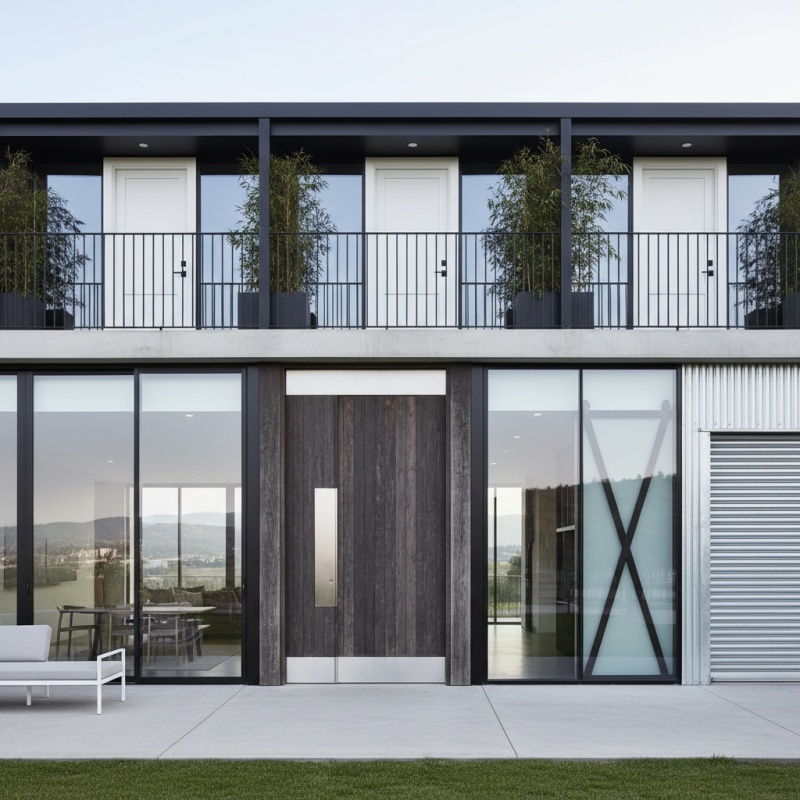
Factors Influencing Door Selection for Architectural Design
When selecting door types for architectural design, several key factors play a crucial role in the decision-making process. First and foremost, functional requirements must be assessed. Considerations such as the intended use of the space, security needs, and accessibility standards will heavily influence the appropriate door choice. For instance, commercial spaces might require robust doors that enhance security, while residential areas may prioritize aesthetic appeal and comfort.
Another important aspect to consider is the aesthetic alignment of the door with the overall architectural style of the building. The choice of materials, colors, and finishes should harmonize with design elements already present in the space. Interior doors, for example, should complement the room's decor, while exterior doors often serve as a focal point of the home or building.
Additionally, environmental factors, including climate and energy efficiency, also play a significant role in door selection. Insulated doors may be necessary for areas with extreme weather conditions, ensuring not only comfort but also energy savings. Thus, evaluating these factors is essential to achieving a cohesive and functional design.
Types of Doors: Understanding Material Options and Their Properties
When selecting door types for architectural designs, understanding the various materials available and their unique properties is crucial. Wood doors, renowned for their natural beauty and versatility, remain a popular choice in both residential and commercial settings. They typically offer good insulation properties, with a thermal resistance value ranging from R-3 to R-7, depending on the type of wood and construction techniques used. Moreover, according to the 2021 Annual Architectural Door Report, wood doors account for approximately 40% of the market in new constructions, highlighting their enduring appeal.
On the other hand, metal doors are celebrated for their durability and security features, making them ideal for high-traffic areas and buildings that require enhanced safety measures. Steel doors, for instance, can withstand significant impact and are often rated for fire resistance, with some models achieving up to 90 minutes of protective performance in fire tests. A report by the Door and Hardware Institute indicates that the metal door sector has seen a 15% growth annually, particularly in commercial spaces where low maintenance and longevity are of paramount importance.
Lastly, fiberglass doors are gaining traction due to their resistance to warping, cracking, and fading, providing an excellent alternative to both wood and metal. Their energy efficiency is notable, often exceeding R-10, which contributes to reduced heating and cooling costs in buildings. The architectural community is increasingly leaning towards innovative materials, with fiberglass doors now capturing nearly 20% of the residential market, as per the latest Construction Materials Report. This shift illustrates the growing preference for materials that combine aesthetics with functional benefits in modern architectural design.
Performance Standards: Energy Efficiency Ratings for Doors
When selecting doors for architectural designs, understanding performance standards, particularly energy efficiency ratings, is crucial. Energy efficiency ratings evaluate how well a door can insulate against outside temperatures, reducing the need for excessive heating or cooling. Key metrics include the U-factor, which measures the rate of heat transfer, and the Solar Heat Gain Coefficient (SHGC), which indicates how much solar radiation passes through the door. A lower U-factor indicates better insulation, while a lower SHGC value suggests less solar heat is gained, which can be particularly beneficial in warmer climates.
Incorporating energy-efficient doors can significantly impact overall building performance and sustainability. They contribute to lower energy bills and improve comfort levels by maintaining consistent indoor temperatures. Additionally, buildings with high energy efficiency ratings often qualify for various incentives and can enhance property value. Thus, when choosing doors for architectural projects, it is essential to consider these energy efficiency standards to ensure that they align not only with aesthetic preferences but also with long-term performance goals.
Aesthetic Considerations: Harmonizing Door Design with Architecture
When selecting door types for architectural designs, aesthetic considerations play a crucial role in creating a harmonious environment. The choice of door materials, styles, and colors should reflect the overall architectural theme while serving practical purposes. A recent report from the American Institute of Architects indicated that more than 60% of architects prioritize the aesthetic integration of components, including doors, to achieve a cohesive design vision. This emphasizes the significance of selecting doors that complement the building's style, whether it be modern, traditional, or a blend of both.
Incorporating design elements such as texture and color can significantly enhance the visual appeal of a structure. For instance, a contemporary home might benefit from sleek, minimalist door designs featuring large glass panels that create a Seamless Transition between indoor and outdoor spaces. Conversely, a rustic farmhouse could utilize wooden doors with rich textures and finishes to align with its organic aesthetic. According to the Interior Design Society, nearly 70% of homeowners report satisfaction with their spaces when design elements are thoughtfully matched. This data underscores that the careful selection of door types not only boosts the aesthetic of the overall design but also elevates the occupants' experience within the space.
Security Features: Evaluating Door Strength and Locking Mechanisms
When selecting the right door types for architectural design, it is crucial to prioritize security features, particularly evaluating door strength and locking mechanisms. According to the National Institute of Standards and Technology (NIST), doors account for over 35% of residential break-ins, highlighting the significance of choosing a robust design. A strong door should ideally be made from solid materials such as steel or solid core wood and should comply with local building codes that dictate resistance to forced entry.
One effective way to enhance security is by investing in high-quality locking systems. A recent study presented by the Security Industry Association indicates that around 60% of burglaries are committed through unlocked doors or windows. Therefore, incorporating deadbolt locks, smart locks, or multi-point locking systems can provide a much higher level of security. Ensure that your locking mechanisms are certified to relevant security standards, such as those set by the American National Standards Institute (ANSI).
**Tips:** To further enhance door security, consider installing a door viewer or peephole, allowing residents to identify visitors before opening the door. Additionally, reinforcing the door frame with steel plates can significantly deter unauthorized entry. Regularly inspecting and maintaining door seals and locks can also prevent security vulnerabilities over time.
Building Codes and Regulations: Compliance in Door Selection
When selecting door types for architectural designs, compliance with building codes and regulations is crucial. The International Building Code (IBC) outlines essential criteria that ensure safety and accessibility in door selection. For instance, doors in egress pathways must meet specific width and height requirements to accommodate safe evacuation during emergencies. According to the National Fire Protection Association (NFPA), nearly 3,000 reported fires in non-residential structures emphasize the significance of fire-rated doors, which must adhere to both local and national standards, ensuring they can withstand fire for designated periods.
 Additionally, the Americans with Disabilities Act (ADA) mandates specific door features to promote accessibility. Doors must be operable with minimal effort, which is often quantified by a maximum opening force of 5 poundsfor interior doors. Incorporating Automatic Door operators not only complies with ADA standards but also enhances the user experience, especially in public buildings. A report from theAmerican Architectural Manufacturers Association (AAMA) highlights that proper door compliance can reduce liability and increase the safety of occupants, affirming the importance of integrating regulatory considerations into the architectural design process.
Environmental Impact: Sustainable Door Materials and Practices
When selecting door types for architectural designs, considering the environmental impact is crucial. Sustainable door materials not only reduce a building's carbon footprint but also promote healthier indoor environments. According to a report by the World Green Building Council, buildings account for 39% of global carbon emissions, highlighting the need for eco-friendly practices throughout the construction process. By choosing doors made from sustainable materials such as reclaimed wood, bamboo, or recycled metal, architects can significantly decrease environmental degradation and conserve natural resources.
Additionally, the manufacturing practices behind door production play a vital role in sustainability. A study conducted by the U.S. Department of Energy emphasizes that using energy-efficient manufacturing processes can lower emissions by as much as 30% compared to traditional practices. Furthermore, doors that enhance energy efficiency through superior insulation contribute to reducing energy consumption in buildings—potentially lowering heating and cooling costs by 20-30%. By prioritizing sustainable materials and practices, architects can ensure that their designs not only meet aesthetic and functional needs but also align with a commitment to environmental stewardship.
How to Choose the Right Door Types for Your Architectural Design - Environmental Impact: Sustainable Door Materials and Practices
| Door Type | Material | Environmental Impact | Durability | Life Cycle Assessment Rating |
| Hinged Door | Wood (Reclaimed) | Sustainable, Low Carbon Footprint | High | A |
| Sliding Door | Aluminum (Recycled) | Recyclable, Energy Efficient | Medium | B |
| Bi-Fold Door | Composite | Moderate, Considerable Energy Use | High | C |
| French Door | Fiberglass | Durable, Low Maintenance | Medium to High | B |
| Pocket Door | Wood (Sustainably Sourced) | Eco-Friendly, Low Emissions | High | A |
Enhancing Space Efficiency and Aesthetics with the OD.DM100 Yue Series Narrow Side Swing Door
The OD.DM100 Yue Series Narrow Side Swing Door exemplifies the perfect balance between space efficiency and aesthetic appeal. Designed to meet modern living standards, this door reflects a commitment to both beauty and functionality. Its narrow frame, measuring just 100mm, is a testament to Minimalist Design that enhances visibility and brightness in any room. By maximizing the sense of openness, this door caters to contemporary homeowners' desire for spacious and fashionable interiors.
Attention to detail is evident throughout the design, from ergonomically crafted handles that enhance both aesthetics and comfort, to high-definition mesh options that allow for ventilation while keeping unwanted insects at bay. The choice of advanced materials ensures that the door remains lightweight and easy to operate, providing a seamless user experience over time. Additionally, the incorporation of double-layer tempered glass not only bolsters energy efficiency but also significantly reduces noise, creating a serene indoor environment that adapts to seasonal changes, thereby enriching the quality of life for its users.
FAQS
: Wood doors are favored for their natural beauty and versatility, offering good insulation properties with thermal resistance values ranging from R-3 to R-7. They account for approximately 40% of the market in new constructions.
Metal doors, particularly steel ones, are known for their durability and security features, making them ideal for high-traffic areas and buildings that require enhanced safety measures. They can withstand significant impact and are often rated for fire resistance.
Fiberglass doors provide excellent energy efficiency, often exceeding R-10, which helps reduce heating and cooling costs in buildings and makes them an attractive alternative to wood and metal doors.
Choosing sustainable door materials, such as reclaimed wood, bamboo, or recycled metal, can significantly reduce a building's carbon footprint and promote healthier indoor environments.
Energy-efficient manufacturing processes can lower emissions by up to 30% compared to traditional practices, contributing to overall sustainability in door production.
Superior insulation from doors can potentially lower heating and cooling costs by 20-30%, leading to reduced energy consumption in buildings.
Fiberglass doors are gaining popularity, capturing nearly 20% of the residential market due to their resistance to warping, cracking, and fading, along with their energy efficiency.
Sustainable door materials not only improve environmental impacts but also help architects align their designs with a commitment to environmental stewardship and eco-friendly practices.
Buildings account for 39% of global carbon emissions, emphasizing the need for eco-friendly practices in construction and design.
Considering the environmental impact ensures that designs meet aesthetic and functional needs while promoting sustainability and reducing the carbon footprint of buildings.
Conclusion
Choosing the right door types in architecture involves a careful evaluation of various factors that influence selection. Key considerations include understanding the material properties of different door types, which can affect durability and maintenance. Performance standards, especially energy efficiency ratings, play a crucial role in modern architectural design, ensuring that doors contribute positively to a building's energy profile. Aesthetic considerations are equally important, as doors must harmonize with the overall architectural style, enhancing visual appeal.
Moreover, security features such as strength and locking mechanisms are vital for safeguarding premises, while compliance with building codes and regulations ensures that the selected door types meet necessary safety standards. Lastly, the environmental impact of door materials and manufacturing practices highlights the importance of sustainability in contemporary architecture. Overall, a thoughtful approach to door types in architecture can significantly influence both functionality and design integrity.

 REFERENCES
 STORIES
 INTRODUCTION
 HISTORY
 PRODUCT FILMS
 BIM & CAD