In today’s fast-moving business world, more and more companies are realizing that finding their 'Narrow Edge' is becoming crucial if they want to stay ahead of the competition. A recent report from McKinsey & Company points out that firms who get smart about differentiating themselves and focusing on niche markets can see profitability jump by up to 25% compared to those going after the broad crowd. As more industries get crowded and saturated, understanding how to carve out that unique space — that narrow edge — isn’t just a nice-to-have anymore; it’s pretty much essential if you’re aiming to survive and grow, especially as we’re inching closer to 2025.
On top of that, the Global Industry Analysts’ report highlights that by honing their operational strategies and putting a real focus on customer experience, businesses don’t just strengthen their foothold in the market — they also build stronger loyalty among their customers. Making data-driven decisions helps companies spot exactly where they can outshine competitors and better match what customers want as their needs keep evolving. So, getting good at hitting that Narrow Edge could be the key for companies trying to not just compete, but actually thrive, especially with all the crazy competition and changing consumer tastes coming our way in the next few years.

Identifying Competitive Advantages in Narrow Market Segments
In today's fiercely competitive landscape, identifying and leveraging competitive advantages in narrow market segments has become essential for achieving success by 2025. According to a recent report by McKinsey & Company, businesses focusing on niche markets can capture significant market share, allowing them to outperform larger competitors by as much as 40% in revenue growth. This is largely due to their ability to tailor products and services to meet the specific needs of a targeted audience, leading to enhanced customer loyalty and reduced price sensitivity.
Moreover, the value of specialization in niche markets is underscored by a study from Bain & Company, which found that companies effectively engaging in a narrow focus often see a 25% increase in profitability compared to more generalized players. This profitability surge can be attributed to lower competition, as niche segments often have fewer entrants, allowing firms to establish themselves as market leaders. By honing in on specific customer pain points and delivering customized solutions, businesses can build strong brand identities and enhance their overall market positioning, paving the way for sustainable growth in an increasingly crowded marketplace.
Understanding Consumer Behavior Trends for 2025
Understanding consumer behavior trends in 2025 is crucial for businesses aiming to secure a competitive edge in increasingly saturated markets. As we move toward this pivotal year, a significant shift in consumer preferences is anticipated. Increased awareness of sustainability will drive consumers to seek brands that demonstrate genuine commitment to environmental stewardship. Companies that prioritize eco-friendly practices and transparently communicate their efforts will resonate more with discerning customers, who are likely to reward such behaviors with loyalty and support.
Another key trend to watch is the rise of personalization. As technology continues to evolve, consumers are becoming more accustomed to tailored experiences that cater to their individual needs and preferences. Businesses will need to harness data analytics and AI to offer customized products and services effectively.
By understanding the unique motivations and behaviors of their target audience, brands can create more engaging interactions, enhancing customer satisfaction and fostering a deeper emotional connection. Embracing these trends will not only help businesses refine their positioning but also enable them to thrive amid fierce competition.
Leveraging Technology to Enhance Operational Efficiency
In today's competitive landscape, leveraging technology is crucial for businesses seeking to enhance operational efficiency. Automation tools and advanced data analytics can streamline processes, reduce human error, and ultimately save time and costs. By digitalizing routine tasks, companies can allocate resources more effectively, focusing on strategic initiatives that drive growth. Furthermore, integrating artificial intelligence allows for better decision-making through predictive analytics, enabling organizations to anticipate market trends and respond swiftly to changing conditions.
Cloud computing also plays a pivotal role in operational efficiency. It provides organizations with scalable resources and flexible solutions that can adapt to their evolving needs. This technology fosters collaboration by allowing teams to access and share information seamlessly, regardless of their location. Additionally, by utilizing cloud-based platforms, businesses can ensure that their operations remain resilient to disruptions, thereby maintaining productivity and improving service delivery.
Investing in technology is not merely a tactical decision; it is a strategic imperative for sustaining a competitive edge. By continually refining operational processes through innovative solutions, companies can enhance their agility in the marketplace, positioning themselves for success in the years to come.
Operational Efficiency Metrics for Competitive Advantage in 2025
Building Strong Brand Loyalty in Competitive Environments
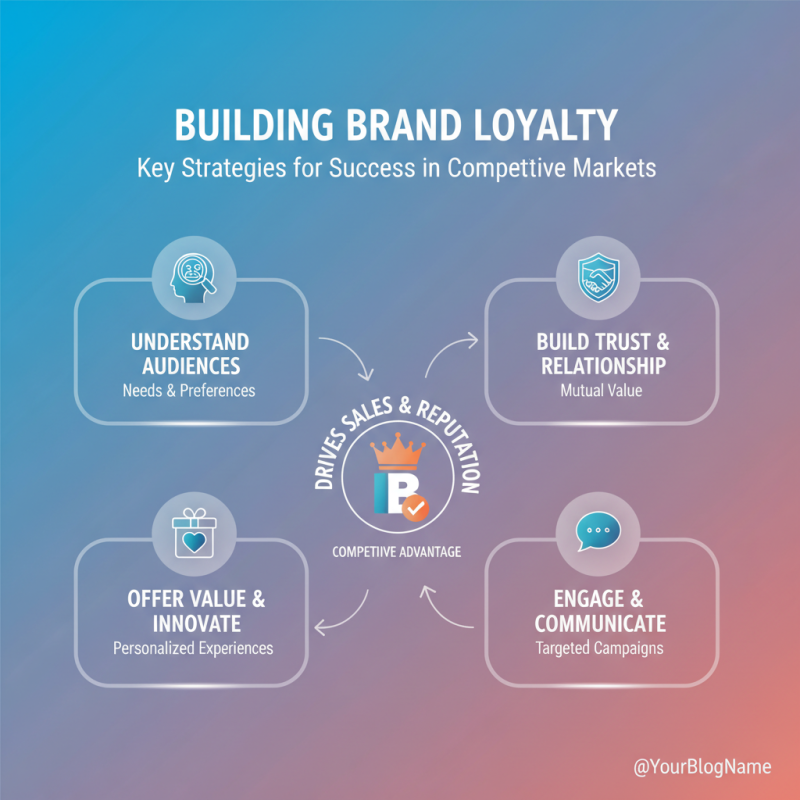
In today's fiercely competitive markets, cultivating strong brand loyalty is crucial for any business aiming to succeed. A dedicated customer base not only drives sales but also enhances a brand's reputation, creating a distinct advantage in crowded environments. To build this loyalty, companies must first understand their audiences deeply, addressing their needs and preferences through personalized experiences and innovative solutions. Engaging customers through targeted marketing campaigns and effective communication helps establish a relationship based on trust and mutual value.
Moreover, brands should leverage the power of social proof and community engagement to foster loyalty. Customer testimonials, online reviews, and user-generated content can significantly influence purchasing decisions and reinforce positive experiences. Creating platforms for customers to connect with the brand and with each other can enhance their sense of belonging. This sense of community adds emotional value to the brand, making customers more likely to choose it over competitors. By focusing on these strategies, businesses can not only retain existing customers but also attract new ones, ensuring sustained growth in increasingly dynamic markets.
Strategic Partnerships and Alliances for Market Edge
In a rapidly evolving marketplace, strategic partnerships and alliances have emerged as pivotal elements for gaining a competitive advantage. By collaborating with other organizations that complement their strengths, businesses can leverage shared resources, knowledge, and capabilities. This synergy not only enhances innovation but also allows companies to penetrate new markets with greater efficiency. For instance, alliances can facilitate access to diverse customer bases and reduce entry barriers, making it easier to adapt to changing consumer demands.
Moreover, the value of strategic partnerships lies in their ability to foster resilience against market fluctuations. By joining forces, companies can pool their expertise to mitigate risks associated with competition and economic uncertainty. These collaborations enable participants to respond more agilely to challenges, ranging from supply chain disruptions to shifts in market trends. As businesses prepare for success in 2025, cultivating meaningful partnerships will be crucial, as they transform the traditional competitive landscape into a more collaborative and interconnected ecosystem. Emphasizing mutual benefit and shared goals within these alliances can lead to sustained growth and a stronger market presence.
Utilizing Data Analytics for Informed Decision-Making
In the fast-paced landscape of competitive markets, leveraging data analytics has become crucial for informed decision-making and achieving a narrow edge by 2025. Companies that harness the power of data can identify trends, understand customer preferences, and make strategic choices that drive success. By focusing on actionable insights derived from data, organizations can align their offerings more closely with market demands, ultimately leading to a higher competitive advantage.
Tips for successful data utilization include investing in robust data collection tools to ensure accuracy and reliability. Analyzing customer behavior metrics can reveal significant patterns, allowing businesses to tailor their products or services accordingly. Additionally, creating an agile framework for continuous learning from data insights can help organizations swiftly adapt to changing market conditions and stay ahead of competitors.
Another essential approach is to foster a data-driven culture within the organization. Encourage teams to embrace analytics in their day-to-day operations and decision-making processes. Implementing training sessions on data interpretation can empower employees to derive meaning from analytics, leading to more informed choices and strategic initiatives. By building a solid foundation in data literacy, companies can ensure that their decisions are backed by solid evidence, minimizing risks and maximizing opportunities for growth.
Innovating Product Offerings to Meet Evolving Customer Needs
To thrive in competitive markets by 2025, businesses must prioritize innovation in their product offerings to align with the ever-evolving needs of customers. According to a report by McKinsey, over 70% of consumers expect companies to understand their individual needs and offer personalized experiences. Such insights necessitate a dynamic approach to product development that leverages customer feedback, market trends, and emerging technologies. Companies that can harness these insights will be well-positioned to capture market share and build brand loyalty.
Incorporating agile methodologies in product design can significantly enhance a company's ability to respond to changing customer preferences swiftly. The latest research from Deloitte indicates that organizations that employ agile practices are 1.5 times more likely to develop products that resonate with customers' needs effectively. By focusing on the integration of customer insights into the innovation process, businesses can reduce time-to-market and improve product relevance, ultimately achieving a competitive edge. As consumer behavior increasingly shifts toward sustainability and social responsibility, adopting eco-friendly practices in product offerings will also be crucial, with a Nielsen report highlighting that 73% of millennials prefer brands that demonstrate environmental commitment.
How to Achieve a Narrow Edge in Competitive Markets for Success in 2025 - Innovating Product Offerings to Meet Evolving Customer Needs
| Product Category | Customer Segment | Innovation Focus | Market Trend | Projected Growth (%) |
| Smart Home Devices | Tech-Savvy Consumers | Integration with AI | Home Automation | 25% |
| Eco-Friendly Products | Environmentally Conscious Consumers | Sustainable Materials | Sustainability | 30% |
| Health and Wellness Products | Health-Conscious Individuals | Personalized Nutrition | Health & Wellness | 20% |
| Mobile Payment Solutions | Young Professionals | Seamless Transactions | Digital Finance | 15% |
| Remote Work Tools | Remote Employees | Collaboration Features | Remote Work | 18% |
FAQS
: Strategic partnerships allow businesses to collaborate with organizations that complement their strengths, helping them leverage shared resources, knowledge, and capabilities to gain a competitive advantage.
Alliances can facilitate access to diverse customer bases and reduce entry barriers, enabling companies to adapt more easily to changing consumer demands and penetrate new markets effectively.
These collaborations enable companies to pool their expertise, making them more resilient against market fluctuations and allowing agile responses to challenges such as supply chain disruptions.
Businesses should prioritize understanding individual customer needs and incorporating customer feedback, market trends, and emerging technologies into their product development processes.
Incorporating agile methodologies in product design can significantly improve a company's responsiveness to changing customer preferences, making it easier to develop relevant products.
Consumer behavior is increasingly leaning towards sustainability, with a significant percentage of millennials preferring brands that demonstrate an environmental commitment.
By leveraging customer insights and feedback, companies can tailor their offerings, ensuring that they meet the specific needs and preferences of their customers.
Continuous adaptation is necessary due to the rapid evolution of customer needs and preferences, which are influenced by market trends and technological advancements.
Organizations that adopt agile practices are more likely to develop products that align well with customer needs and can do so more quickly and effectively than those that do not.
By aligning their products and services with customer expectations, offering personalized experiences, and demonstrating a commitment to sustainability, companies can cultivate strong brand loyalty.
Conclusion
In the competitive landscape of 2025, achieving a "Narrow Edge" is crucial for success. Companies can gain this advantage by identifying unique competitive advantages within specific market segments. Understanding consumer behavior trends will enable businesses to tailor their offerings effectively, while leveraging technology will enhance operational efficiency, leading to cost reductions and improved service delivery.
Building strong brand loyalty is key in crowded markets, where consumers gravitate towards brands they trust. Strategic partnerships and alliances can provide additional leverage, enabling companies to pool resources and expand their reach. Moreover, utilizing data analytics for informed decision-making allows businesses to stay ahead of evolving customer needs, facilitating innovative product offerings that resonate with their audience. Emphasizing these strategies will empower organizations to carve out their "Narrow Edge" in an increasingly competitive environment.

 REFERENCES
 STORIES
 INTRODUCTION
 HISTORY
 PRODUCT FILMS
 BIM & CAD