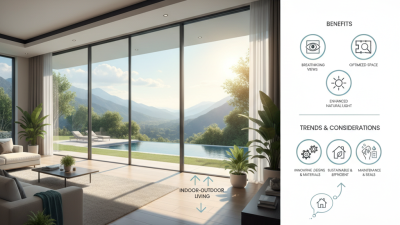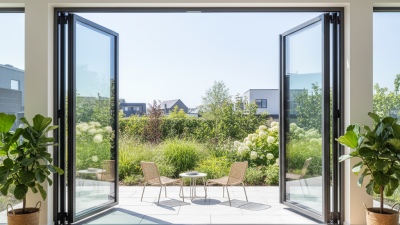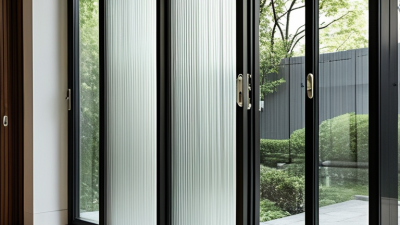


So, Double Glazed Sliding Doors—basically, they're two panes of glass with a sealed insulating gap in between. Unlike a regular swinging door, they open up wide. The panels slide along horizontal tracks, which is why they work so well for patios, balconies, and garden rooms—you get lots of natural light, and the room feels more linked to the outdoors.
That sealed gap? It helps cut down heat transfer and outside noise. A lot of systems now use low-e glass, warm-edge spacers, and insulated frames. Honestly, those details matter more than how the door looks. A good installer should check the opening, frame level, drainage, and track alignment—carefully. Tiny measurement mistakes can lead to stiff sliding or air leaks. And that's the part people often overlook.
But Double Glazed Sliding Doors aren't automatically energy efficient. It depends on glass specs, frame material, seals, installation quality, and your local climate. Even a great glazing setup can perform badly if it's fitted poorly. So ask for documented thermal and acoustic performance. Check warranty, maintenance requirements, and the replacement process before you commit.
Daily use shows practical differences too. Smooth rollers should glide quietly, and locks should engage without needing force. Tracks need regular cleaning—grit can mess with operation. Condensation can still show up in humid rooms, especially if ventilation is limited. These doors have limits. Big glass panels cost more, need careful handling, and regular cleaning. A smart decision balances comfort, daylight, security, maintenance, and budget—not just pretty photos.
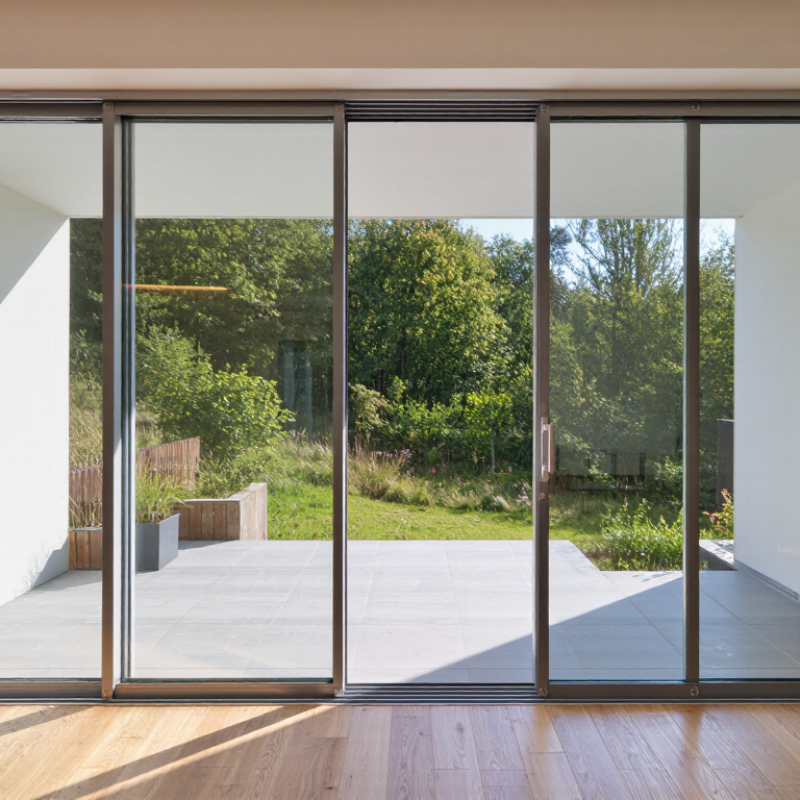
Double glazed sliding doors are large glazed panels that move horizontally along a track. Their main purpose is to connect indoor rooms with patios, balconies, or gardens while improving thermal control.
The basic structure starts with an insulated glass unit. It contains two glass panes separated by a narrow spacer. The sealed cavity between them usually contains dry air or an insulating gas. This cavity slows heat transfer and can reduce outside noise. The spacer and edge seal help prevent moisture from entering the unit.
The distinction matters. The door is not simply two pieces of glass. A frame supports the glass, rollers carry the panel, and a top and bottom track guide movement. Weather seals around the edges limit drafts and water entry. A lock secures the closed panel, while drainage channels direct rainwater away from the frame.
In practical installation work, accurate measurements matter greatly. A small error can cause stiff movement or uneven gaps. The wall opening must be level, square, and strong enough for the door’s weight. Clean rollers usually move quietly. Dirt can make a new door feel defective.
Double glazing does not create a completely silent room. Its performance depends on glass thickness, cavity design, frame quality, seals, and installation. Some doors also lose efficiency around poorly sealed corners. Regular inspection helps reveal worn seals, blocked drainage holes, or track damage before operation becomes difficult.
What Are Double Glazed Sliding Doors?
Double glazed sliding doors use two glass panes separated by a sealed insulating gap. That gap commonly contains air or argon gas. A spacer bar keeps the panes apart, while seals reduce air and moisture movement around the unit. When the door slides, rollers carry its weight along a track. Brush seals and compression seals help limit draughts, although performance depends heavily on installation quality.
The U.S. Department of Energy reports that windows can cause 25–30% of household heating and cooling energy use. Double glazing reduces this transfer by creating a slower path for heat. Low-emissivity coatings can reflect indoor heat back into a room, while solar-control coatings may reduce unwanted summer gain. The National Fenestration Rating Council measures U-factor, solar heat gain coefficient, visible transmittance, and air leakage. These figures matter more than glass thickness alone.
One detail is easy to miss. The frame and threshold can become thermal weak points. Poorly aligned rollers may also damage seals, creating a faint whistle on windy days. Replacement Double Glazed Windows should therefore be assessed with the surrounding frame, drainage, and wall opening in mind. A lower U-factor is useful, but it does not automatically mean better comfort in every room. Orientation, shading, ventilation, and local climate still change the result. The numbers help. They do not remove the need for careful fitting.
Double glazed sliding doors use two panes of glass separated by an insulating air or argon-filled gap. Low-emissivity coatings can further reduce radiant heat transfer, helping the door retain heat in winter and limit heat gain in summer.
The chart compares representative centre-of-glass U-values. U-value measures heat transfer in watts per square metre per kelvin (W/m²·K); a lower value indicates better insulation. Actual performance varies with glass coatings, gas fill, spacer design, frame material, installation quality, and local standards.
Double glazed sliding doors use two glass panes separated by a sealed cavity. The cavity usually contains dry air or argon, while a spacer keeps the panes apart. A low-emissivity coating can reduce radiant heat transfer across the glass. The U.S. Department of Energy estimates that windows account for about 25–30% of residential heating and cooling energy use, making these components practically important.
The frame carries the load and guides the sliding panels. Rollers, tracks, interlocks, gaskets, and drainage channels affect daily performance. A poorly aligned track can make a large panel feel unexpectedly heavy. The glass configuration also changes comfort. A standard Double Glazed Window Pane may use two 4 mm panes, but acoustic projects often combine different thicknesses. This disrupts sound frequencies more effectively than identical panes.
Low-E glass usually faces the cavity, but the correct surface depends on climate and coating design. Warm-edge spacers can reduce heat loss at the perimeter, where condensation often begins. The National Fenestration Rating Council evaluates U-factor, solar heat gain coefficient, and visible transmittance, allowing more reliable comparisons. Yet laboratory ratings cannot fully predict installation quality. Small gaps around the frame, compressed seals, or trapped construction dust can undermine an otherwise strong specification. That detail deserves more attention.
Double glazed sliding doors use two glass panes separated by an insulating spacer. The sealed cavity slows heat transfer through the door. The U.S. Department of Energy reports that windows can cause 25–30% of household heating and cooling energy use. Better glazing can reduce this loss, especially when paired with low-emissivity coatings and insulated frames. Double Glazed Windows follow the same principle, although frame quality remains important.
Acoustic performance depends on more than pane count. Different Glass thicknesses can reduce shared vibration frequencies, while laminated glass helps soften traffic and street noise. The World Health Organization links excessive environmental noise with sleep disturbance and other health risks. However, no sliding door blocks every sound. Poor seals, vents, and nearby wall gaps may still carry noise. Security also improves through laminated inner panes, robust locks, anti-lift tracks, and tested hardware. Look for independent certification, such as an NFRC energy label, which reports U-factor and solar heat gain coefficient. These figures make product comparisons less subjective.
Double Glazed sliding doors use two glass panes separated by an insulating gap. Their frames strongly affect comfort, appearance, and maintenance. In lived-in homes, frame material often matters as much as the glass itself.
uPVC frames offer good insulation and usually need little upkeep. Their wider profiles can look less refined, though. Aluminium frames create slim sightlines and larger glass areas. A thermal break helps reduce heat transfer through the metal. Without it, the frame may feel cold near the edges.
Timber frames bring natural grain and warmth to traditional interiors. They need regular sealing, especially around exposed lower sections. Composite frames combine materials, but their quality depends on construction details.
Design options also shape daily use. Two, three, or four panels can create different opening widths. A flush threshold improves movement between rooms, but drainage must remain effective. Sliding screens can improve ventilation without inviting insects indoors.
Low-emissivity glass may support better energy performance, while warm-edge spacers can reduce condensation around the perimeter. I once underestimated handle position during a renovation. The door looked excellent, yet the handle sat awkwardly beside nearby furniture.
Frame depth, track access, and cleaning space deserve equal attention. Slim is attractive, but not always the most practical choice.
Double glazed sliding doors contain two glass panes with a sealed gap between them. This construction reduces heat transfer, outdoor noise, and cold surface condensation. Their performance depends heavily on installation quality, not glass alone. A practical site survey should check wall strength, floor levels, opening dimensions, and rain exposure before delivery.
Accurate leveling is essential. Even a small frame error can make the panel drag or leave uneven gaps. The installer should pack the frame correctly, secure it without distortion, and connect drainage channels to the exterior.
I once underestimated the effect of a slightly sloping threshold; the door operated, but water collected after heavy rain. That detail deserved more attention. Local building requirements and the door manufacturer’s installation instructions should guide the work.
Maintenance is simple but regular. Vacuum the track, wipe the rollers, and inspect seals every few months. Never allow grit to build up near the running wheels. Check the locking points and drainage holes after winter storms.
Performance should be assessed through thermal ratings, air leakage, water resistance, and solar control. A low heat-loss value is useful, but excessive solar gain may overheat a bright room. Acoustic performance also depends on walls, flooring, and nearby gaps. Even a well-installed door may become stiff over time, so roller adjustment should happen before force damages the frame.
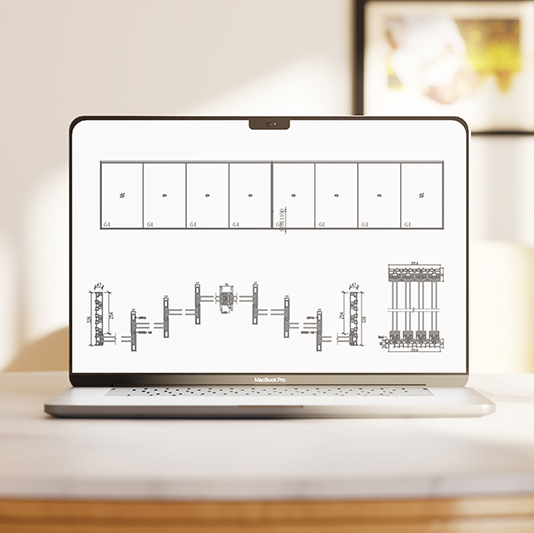
The 160 Extreme Series narrow-edge sliding door is designed for modern living, combining sleek aesthetics with dependable performance. Inspired by China’s diverse geographical and climatic conditions, its system is developed to provide stability and durability across different environments while maintaining a practical price-performance balance. The refined profile complements Minimalist Architecture, creating a clean transition between interior and exterior spaces.
With a visible surface as narrow as 24.6 mm, the frame recedes from view and places greater emphasis on glass, daylight, and uninterrupted scenery. This ultra-slim design allows residents to enjoy wider visual connections with gardens, terraces, city skylines, or surrounding landscapes, bringing the natural world closer to everyday life. Smooth sliding operation and a robust structure make it suitable for outdoor heavy-duty applications, including luxury villas and enclosed balconies in high-rise residences.
Whether used to open a living room toward a private courtyard or to transform a balcony into a bright, comfortable retreat, the system supports flexible layouts and abundant natural light. Its expansive glazing and restrained detailing create an open atmosphere, while the carefully considered construction helps the door perform reliably through changing weather conditions.
They are large glass panels that slide horizontally along a track. They connect rooms with patios, balconies, or gardens. Two panes create a sealed insulating cavity.
The cavity slows heat movement through the glass. It may contain dry air or insulating gas. It can also reduce outdoor noise, but it will not create silence.
Rollers carry the panel, while tracks guide its movement. Frames support the glass. Seals, gaskets, interlocks, and drainage channels support daily performance. Small dirt particles can make a new door feel faulty.
Low-emissivity glass reduces radiant heat transfer across the panes. Warm-edge spacers can reduce heat loss near the perimeter. The coating’s correct position depends on the climate and design.
No. Performance depends on glass thickness, cavity design, seals, frames, and installation. Different pane thicknesses may interrupt sound frequencies more effectively.
The wall opening must be level, square, and strong enough. A small measuring error can cause stiff movement or uneven gaps. The door may look excellent, yet operate poorly.
Inspection can find worn seals, blocked drainage holes, and damaged tracks. It can also reveal moisture near corners. Early checks may prevent difficult operation later.
No. Ratings help compare heat transfer, solar gain, and visible light. Poorly sealed corners or construction dust can reduce actual performance. That deserves more attention.
Double Glazed Sliding Doors are made with two panes of glass separated by an insulating spacer, creating a sealed cavity that helps reduce heat transfer and outside noise. Their sliding panels move horizontally along tracks, allowing wide openings while using less interior space than hinged doors. The main components include insulated glass units, rollers, tracks, frames, seals, handles, and locking systems. Different glass configurations, such as clear, tinted, laminated, or low-emissivity glass, can be selected to support comfort, privacy, and safety.
These doors can improve thermal efficiency, acoustic comfort, and household security when properly designed and fitted. Frames are commonly made from aluminium, uPVC, or timber, with various colours, finishes, and panel arrangements available to suit different architectural styles. Reliable performance depends on accurate installation, level tracks, effective weather seals, and correctly adjusted rollers. Regular cleaning and inspection can help prevent dirt buildup, air leakage, drainage problems, and operating difficulties, ensuring smooth movement and long-term durability.