Leave Your Message
0%

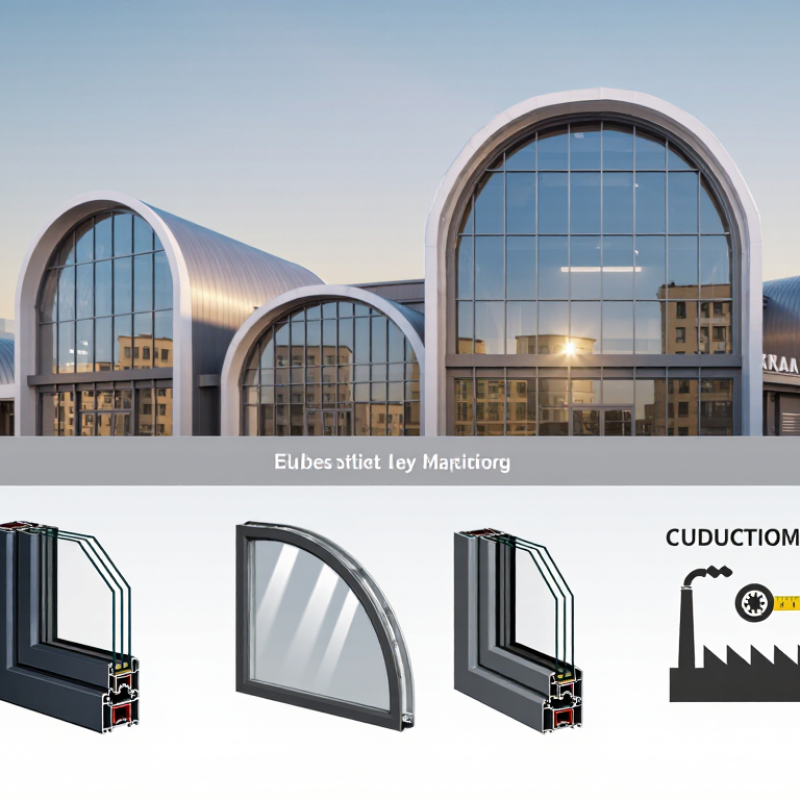
You know, a curved window can totally change the vibe of a plain façade—suddenly it's the one feature that defines the whole building. But the thing is, looks are only half the story. The glass curvature, frame design, installation tolerances, and sealing all have a big impact on how it actually performs. So if you're comparing Chinese manufacturers, don't just skim past these details—they matter a lot.

So, the International Energy Agency put out its Global Status Report for Buildings and Construction 2024, and the numbers are kind of striking: buildings and construction were responsible for roughly 32% of global energy demand and 34% of energy- and process-related CO₂ emissions back in 2023. Now, this report isn't about Curved Windows specifically—I’ll be honest, those exact figures don't show up there. But it does make you think twice about glazing choices. You can’t just focus on shape and price; thermal performance, daylight, and air leakage matter just as much, if not more.

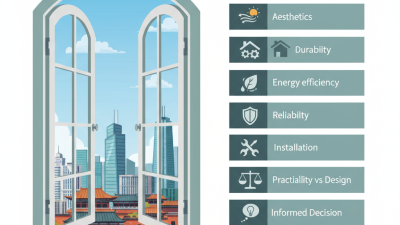
Okay, so when we look at manufacturers, we keep things pretty practical—can they handle custom radii? What glass and frame options are actually available? Do they have documented testing, real production capacity, export experience, and solid project support? A supplier’s catalogue might show a gorgeous curve, but you really need to ask for drawings, performance data, sample details, and clear tolerances. Because honestly, not every curve performs as well as it looks. And rankings? They’re far from perfect. Public information varies a lot, and a company that’s a great fit for one project might be completely wrong for another. Honestly, this isn’t about crowning some universal winner. It’s more about helping you spot credible Chinese suppliers—and asking better questions before you spec or place an order.

Who Are the Top Curved Window Manufacturers in China?

What Are Curved Windows and Where Are They Used?

Curved windows use glass shaped into a radius rather than a flat plane. They may be fixed or operable, and made as single panes or insulated glass units. The bend softens a building’s outline and can bring daylight around corners. Common locations include bay windows, stairwells, atriums, rounded façades, and reception areas. The radius is not just a design choice. It affects glass thickness, framing, seals, and how the finished unit fits the opening.

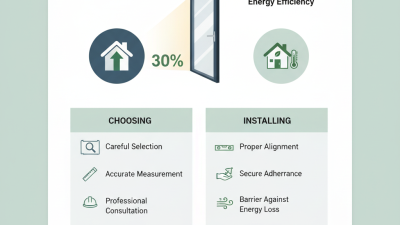
Performance deserves equal attention. The U.S. Department of Energy’s Energy Saver guidance estimates that heat gain and loss through windows account for 25–30% of residential heating and cooling energy use. That figure is a useful reminder, though it is not specific to curved windows. Ask for tested U-factor and solar heat gain coefficient (SHGC) data for the complete assembly, not just the glass.

Details matter. A curved profile may look seamless, yet poor edge sealing or a mismatched frame can undermine comfort. Larger custom units also need careful handling and installation; beauty alone does not solve that.

Designers often specify curved glazing where a flat window would interrupt a rounded wall or restrict a view. Before ordering, confirm the radius, opening dimensions, glass build-up, and cleaning access. Small measurement errors can become expensive. And curved glass is not automatically more efficient; orientation, shading, and local climate still shape its real-world performance.

How Is China’s Curved Window Manufacturing Industry Organized?

China’s curved-window industry is organized around several connected roles, rather than one standard factory model. Glass processors develop the curved panels, while frame fabricators make matching aluminium or steel systems. Engineering teams translate architectural drawings into production measurements and installation details. Some manufacturers coordinate these stages in-house; others rely on specialist suppliers.

The work often starts with a template or digital model that defines the radius, height, and edge shape. Curved Glass Windows may require different forming and treatment processes, depending on their design and intended use. Teams check dimensions, surface appearance, and frame fit before packing. A small mismatch matters. Even a carefully made panel can be difficult to install if the opening measurements are inaccurate.

Project coordination is a major part of the industry. Architects, contractors, processors, and installers need to confirm tolerances, delivery access, and lifting plans early. Protective crates and clear labels help reduce handling problems on site. Not always. Information can still be lost between drawing revisions and production, so written approvals and sample checks are useful safeguards. The supply chain is capable, but its handoffs can be uneven.

What Criteria Define a Leading Curved Window Manufacturer?

A leading curved window manufacturer can prove more than attractive showroom samples. It should document the glass radius, frame tolerances, seal design, and performance testing for each configuration. The U.S. Department of Energy’s Energy Saver guidance estimates that windows account for about 25–30% of residential heating and cooling energy use. That makes air leakage and insulating performance practical selection criteria, not minor details. Ask for test records and inspect a full-size corner or curved sample for optical distortion, uneven reflections, and visible seal gaps.

Different Types Window Glass suit different needs, but curved units need glass that can be formed consistently and sealed reliably. Check whether the supplier explains glass options, such as laminated or insulated glazing, and provides clear specifications for safety, thermal performance, and sound control. Experience matters too: request project examples with similar radii, opening sizes, and climate conditions. A polished sample may still hide production limits. I would also ask how rejected units are handled; many buyers overlook this.

Tips: Request drawings, test documentation, and installation guidance before ordering. Confirm that the stated radius matches your project measurements.

These suggested weights provide a practical comparison framework, not measured market rankings. Evaluate each manufacturer using project-specific test reports, samples, production capabilities, and service records.

Which Chinese Manufacturers Are Known for Curved Windows?

Chinese manufacturers known for curved windows are typically custom fabricators with in-house design, bending, and assembly capabilities. Look for teams that can translate a full-size template into a curved frame, then match it with properly formed glass. Ask about aluminum or uPVC profiles, corner joints, drainage, and documented air- and water-tightness tests. A smooth curve matters. So does the seal.

Performance deserves equal attention. The 2023 Global Status Report for Buildings and Construction, published by the UN Environment Programme and GlobalABC, estimates that buildings used 34% of global energy demand in 2022. That figure is not specific to windows, but it shows why glazing and frame performance should be checked together. For projects involving Turning A Window Into A Door, ask for structural details, threshold dimensions, and a physical sample before production. A drawing alone can miss a difficult transition.

Tips: Request a full-size shop drawing and a small finish sample. Confirm glass make-up, frame material, and test documentation in writing. Compare factories by project evidence, not attractive renderings alone. Curved work can vary between batches; that deserves a careful conversation.

What Products and Customization Options Do They Offer?

Chinese curved-window manufacturers may offer fixed picture windows, arched-top units, and curved corner glazing. Some provide operable designs, though opening hardware can limit the available radius. Products may use single or insulated glass, with laminated or tempered options selected for the project’s needs.

Customization often covers radius, width, height, frame material, finish, glass tint, and coating. A useful supplier should review drawings and confirm measurements before production. Ask how the glass curvature is formed and whether the frame is engineered to match it. Small measurement errors matter. A window can look right on paper yet fit poorly on site, so request shop drawings and clarify installation tolerances. Not every design is practical at every size.

Tips: Share a full-size template or precise measurements, plus photos of the opening. Confirm the glass build-up, edge details, hardware, packaging, and delivery schedule in writing. Request a sample finish when color consistency matters. One detail is easy to miss: curved glass can reflect light differently across its surface. Check the appearance under expected indoor and outdoor lighting before approving the final specification.

How Do Manufacturers Compare in Quality and Export Capabilities?

For curved windows, compare test evidence, not showroom photos. Ask manufacturers for air-leakage, water-penetration, and wind-load results for the same frame shape and size you plan to order. A tight curve can reveal uneven seals or stressed glass. Check alloy specifications, thermal-break details, glass thickness, and hardware after repeated opening tests. An Aluminium Ventilation Window should also show its tested airflow rate. A certificate alone is not proof of every configuration’s performance.

Export capability needs separate checking. The World Bank’s 2023 Logistics Performance Index ranked China 19th, with a score of 3.7 out of 5. This is useful country-level context, not a rating of individual factories. Compare suppliers’ export references, sample lead times, packing photos, and ability to provide clear inspection records. Ask how curved glass is braced against vibration and edge damage during shipping. A polished brochure proves little. Even experienced buyers can overlook packaging details.

Tips: Request a small trial order and inspect radius consistency, seals, and glass edges on arrival. Confirm test reports match the quoted design. If they do not, pause and ask why.

Who Are the Top Curved Window Manufacturers in China? — How Do Manufacturers Compare in Quality and Export Capabilities?

Comparison of common supplier types serving the Chinese curved-window market. These are capability profiles, not a ranking of named companies; actual equipment, quality systems, and export experience vary by factory.

Supplier Type Typical Product Scope Quality Factors to Compare Export Capability Indicators Best Fit Evidence to Request
Curved-glass processor Curved monolithic, laminated, or insulating glass; may supply glass only rather than complete windows. Glass type and thickness; permitted curve radius and dimensions; edge quality; heat-treatment and lamination controls; dimensional tolerances. Experience packing and shipping fragile, oversized glass; export packaging details; delivery terms and breakage procedures. Projects where curved glass is the main requirement and frames are sourced separately. Product specifications, process-control records, test reports relevant to the glass build-up, packing drawings, and examples of comparable shipments.
Integrated window fabricator Complete curved window units combining glass, frames, seals, hardware, and glazing. Compatibility of curved glass and frame; air and water sealing; hardware operation; material traceability; inspection of finished assemblies. Ability to prepare export documentation, coordinate custom crating, and provide installation and maintenance information in the buyer’s language. Buyers seeking a finished window assembly from one supplier. Assembly drawings, material schedules, inspection plans, applicable test reports, warranty terms, and references for comparable projects.
Architectural-window or façade fabricator Project-specific windows and façade components; curved units may be part of a larger building-envelope package. Design coordination; structural and thermal specifications; interfaces between glass, frame, and façade; documented project quality controls. Project-management capacity, coordination of multi-part shipments, technical submittals, and experience meeting destination-market requirements. Commercial or institutional projects requiring coordinated façade components and technical documentation. Project-specific calculations and drawings, approved material submittals, inspection records, installation details, and evidence of relevant completed work.
Export-oriented OEM supplier Custom production to buyer drawings or specifications; scope may include glass, frames, hardware, or complete units. Control of revisions and samples; repeatability between batches; inspection records; clear acceptance criteria for appearance and dimensions. Verifiable export history, communication and order-control processes, packaging suited to the route, and clear procedures for claims and replacements. Importers and distributors managing product specifications and local sales or installation. Factory audit information, sample approval records, quality documents, shipment references, packaging specifications, and written defect-resolution terms.
Trading or sourcing company Sources products from one or more factories; product range and manufacturing control depend on the production partners. Transparency about the actual manufacturing site; traceability of materials; consistency between approved samples and delivered goods. May handle communication, consolidation, and export paperwork; confirm who is responsible for technical support, inspection, and warranty claims. Buyers needing sourcing or consolidation support, provided the factory and responsibilities are independently verified. Factory identity, authorization to represent the producer, production-site audit, product-specific reports, and a written allocation of responsibilities.
How to compare suppliers: Ask each candidate to quote against the same drawings, glass build-up, dimensions, tolerances, frame materials, and destination-market requirements. Verify certificates and test reports with the issuing body and confirm that their scope covers the exact product offered. Standards such as EN 1279 (insulating glass units) and EN 12150 (thermally toughened safety glass) apply to particular product types; their relevance should be checked for each specification. Do not treat a certificate, export claim, or general factory profile as proof that a specific curved-window assembly meets project requirements.

FAQS

What is a curved window?

It uses glass bent to a radius instead of a flat pane. It can be fixed or operable, with single or insulated glass.

Where are curved windows commonly used?

They suit bay windows, stairwells, atriums, rounded façades, and reception areas. They can carry daylight around a corner.

Do curved windows automatically improve energy efficiency?

No. Orientation, shading, climate, frame design, and seals all affect performance. Ask for tested U-factor and solar heat gain coefficient data for the complete assembly.

What measurements should be confirmed before ordering?

Confirm the radius, opening dimensions, glass build-up, and cleaning access. Small errors can become costly. I still find cleaning access easy to overlook.

How can I assess a curved window’s quality?

Request test records and inspect a full-size sample. Look for optical distortion, uneven reflections, visible seal gaps, and consistent frame tolerances.

What performance tests should I request?

Ask for air-leakage, water-penetration, and wind-load results matching your planned frame shape and size. A certificate may not cover every configuration.

How should curved glass be protected during shipping?

Ask for packing photos and details on bracing against vibration and edge damage. Check the glass edges and seals when the shipment arrives.

What should I check in a supplier’s project experience?

Request examples with similar radii, opening sizes, and climate conditions. Ask for drawings, installation guidance, and clear inspection records. A polished sample alone proves little.

Conclusion

Curved Window systems bring smooth lines and distinctive views to homes, offices, hotels, and public buildings. They can be designed for exterior façades, bay areas, corner openings, and interior partitions, with performance needs shaped by the building’s climate, use, and design. China’s manufacturing sector includes specialized fabricators as well as larger window and façade producers, serving both domestic projects and international buyers.

A leading manufacturer is typically assessed by engineering experience, material and glass options, production consistency, quality control, customization, and after-sales support. Available choices may include different frame materials, glazing configurations, finishes, dimensions, opening styles, and project-specific shapes. When comparing suppliers, buyers should review testing and quality documentation, communication and delivery processes, export experience, and the ability to protect products during shipment. Matching these factors to a project’s technical requirements can help identify a reliable partner and achieve a balance of appearance, comfort, durability, and value.

Jackson

Jackson

Jackson is a seasoned marketing professional with a deep expertise in the high-end minimalist narrow-edge system door and window industry. Since joining Oday, established in 2009, he has played a pivotal role in elevating the brand's presence both domestically and internationally. With Oday's......
Previous Top Minimal Living Products for Global Buyers