
Leave Your Message
0%

For global buyers, picking windows isn't just about looks anymore. Options like Windows That Open Out really have to answer to the climate, ventilation, security, upkeep, and local building habits. A coastal apartment? It needs hardware that won't corrode and seals that stay tight. And a home up on a windy hillside? You'll want hinges that have been properly tested, plus opening angles you can actually control. Honestly, those little details? They tend to matter way more than a glossy frame finish—if you ask me.

So, the International Energy Agency came out with a report saying that buildings made up roughly 30% of global final energy demand in 2022—and about 26% of energy-related emissions. Meanwhile, the U.S. Department of Energy estimates that windows are responsible for somewhere between 25% and 30% of the energy used for heating and cooling in homes. Those numbers make outward-opening designs pretty hard to ignore. For one, their compression seals can help keep weather out. And because the whole sash can move, they can also support natural ventilation. But hey, at the end of the day, performance still depends on a bunch of things: how well it’s installed, the glass specs, the frame material, and—yeah—the climate.

So here’s something Dr. Joseph Lstiburek, a building scientist, likes to remind us: “Windows are holes in walls.” Sounds obvious, right? But it’s a pretty sharp way to call out sloppy buying. Even a high-end window can end up failing if the flashing isn’t done right or water can’t drain away properly. In this guide, I’m looking at ten “Windows That Open Out” options for international buyers—mixing what you can see in the design with how they actually perform when tested. And honestly? Rankings are never totally neutral. Standards change from place to place, and product data isn’t always complete. Before you order, it's worth doing a little homework: check the certifications, read the warranty terms, make sure replacement parts are actually available, and find out whether the installer really knows their stuff. A beautiful opening is nice and all, but that alone won't cut it. What matters is whether it holds up—through heat, rain, wind, and years of everyday use.
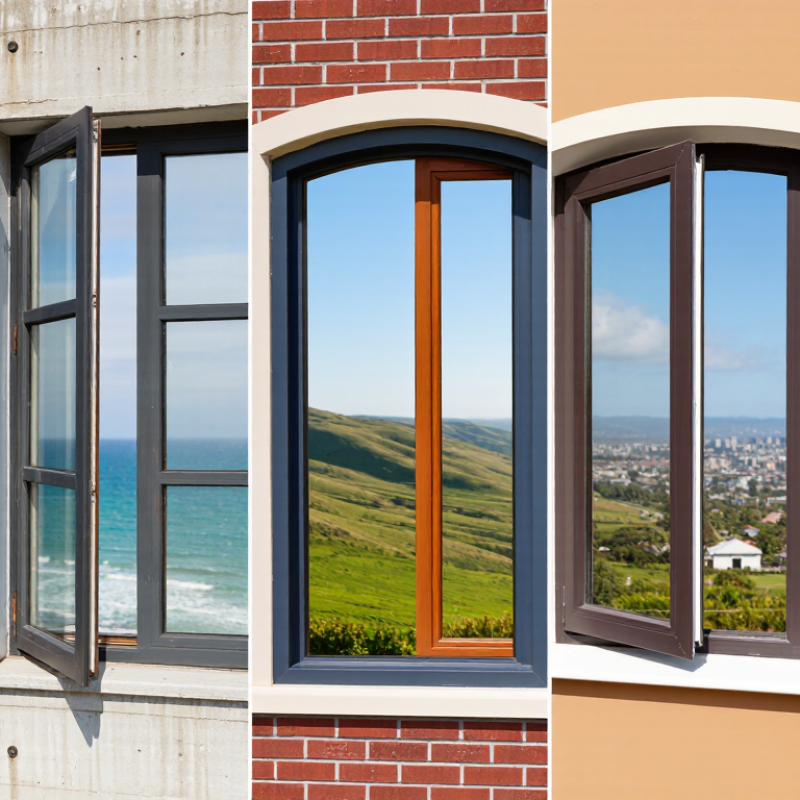
10 Best Windows That Open Out for Global Buyers

What Outward-Opening Windows Are and How They Work

Outward-Opening Windows, often called casement or awning windows, open away from the room. Hinges usually sit along one side or the top edge. A handle moves a small operating mechanism, which pushes the sash outward. When closed, the sash presses against a continuous gasket, creating a tighter seal against air and rain.

During site inspections, I check the hinge line, locking points, and drainage path before judging window quality. The open sash can catch outside air and improve ventilation, even when the room is narrow. It also leaves the interior clear for curtains, furniture, and cleaning. However, the window needs enough exterior space to open safely. Nearby walls, balconies, shutters, and walkways can create practical problems.

Global buyers should match the window design to local weather and building conditions. Strong coastal air may require corrosion-resistant hardware, while windy areas need properly rated hinges and restrictors. Accurate opening measurements matter; a small error can cause leaks or difficult operation. I once assumed a wide sash would always ventilate better, but excessive width made it feel heavy and unstable. That experience changed my approach. I now review sash size, frame depth, drainage, and installation details together. Good performance depends on the complete system, not the window alone.

Key Factors for Comparing Outward-Opening Window Designs

10 Best Windows That Open Out for Global Buyers

Key Factors for Comparing Outward-Opening Window Designs

Outward-opening windows differ greatly in ventilation, weather resistance, and daily usability. Casement designs usually provide a wide opening and direct airflow into a room. Awning windows open from the bottom, helping protect interiors during light rain. Top-hung options can work well above sinks or furniture. The best choice depends on climate, wall exposure, and cleaning access.

Check the frame and sash materials carefully. Aluminum offers slim sightlines and strong resistance to moisture, while engineered timber can improve warmth and appearance. uPVC often needs less maintenance. However, material quality varies between suppliers. Ask for tested thermal and water-performance data, not just attractive product images.

Hardware deserves close attention. Multi-point locks, friction stays, and restrictors affect security and ventilation control. In coastal areas, corrosion-resistant fittings matter. For high-rise homes, outward movement must not obstruct walkways or create safety concerns. I once underestimated the importance of window cleaning access; the design looked excellent, but the exterior glass was difficult to reach. That detail changed the practical ranking.

Compare glazing carefully. Double glazing may suit moderate climates, while low-emissivity glass can reduce heat transfer in harsher conditions. Solar-control glass may help sunny rooms, but it can also reduce useful daylight. Ask about installation tolerances, replacement parts, drainage paths, and local weather exposure. A window can perform well in testing yet fail when fitted poorly.

10 Best Windows That Open Out for Global Buyers

Key Factors for Comparing Outward-Opening Window Designs

The comparative score is a normalized 1–10 benchmark based on commonly recognized design characteristics, including ventilation control, weather resistance, emergency egress potential, cleaning access, and suitability for energy-efficient glazing. Actual performance depends on installation quality, local climate, glass specification, hardware, and applicable building codes.

Top 10 Outward-Opening Window Styles for International Buyers

Top 10 Outward-Opening Window Styles for International Buyers

Outward-opening windows can improve ventilation, daylight, and usable interior space. The best choice depends on climate, wall design, and local building requirements. Casement Windows open from one side, while awning windows hinge at the top. French casements open from the center and create a wider clear passage. Top-Hung Windows direct rain away from the opening. Bottom-hung windows can support airflow near the floor when correctly engineered.

Other useful styles include projected outward windows, parallel-opening windows, center-pivot windows, louvered windows, and outward-opening roof windows. Projected units extend the glass area beyond the wall. Parallel-opening designs create a slim ventilation gap around the sash. Center-pivot models offer flexible airflow, but hardware quality matters. Louvered windows suit warm regions, although cleaning many slats takes patience. Roof windows bring strong daylight into upper rooms.

International buyers should check wind pressure, water resistance, glazing performance, and replacement parts before ordering. A window that performs well in a mild climate may struggle during coastal storms. I would also request installation drawings, not only product photos. Small details matter, including hinge corrosion protection, insect-screen placement, and opening limits. Outward movement needs clear space outside. That point is easy to miss. My own preference is not always the safest specification; local installers may identify drainage or maintenance problems earlier. Reliable testing documents and qualified installation remain more valuable than attractive styling.

Frame Materials, Glass Options, and Energy Performance

Windows That Open Like Doors can improve ventilation, access, and daylight in international projects. Their performance depends on frame materials, glass options, and installation quality. The U.S. Department of Energy estimates that windows cause 25–30% of residential heating and cooling energy use. That figure makes specification more important than appearance alone.

Thermally broken aluminum offers slim profiles and strong weather resistance. However, it can transfer heat without an insulating barrier. uPVC generally reduces conduction, while timber provides natural insulation but needs careful moisture protection. Low-emissivity coatings, argon-filled cavities, and laminated glass can improve comfort near the interior surface. The National Fenestration Rating Council recommends comparing U-factor and solar heat gain coefficient, not relying on glass descriptions alone. Lower U-factor usually means better insulation. Lower SHGC can limit unwanted solar heat.

Climate changes the correct choice. In a cold region, buyers may prefer low U-factor glass and higher solar gain. In hot, sunny locations, shaded openings and lower SHGC often matter more. The International Energy Agency reported that buildings consumed about 30% of global final energy in 2022. Small details still count, especially around hinges, seals, and thresholds. I have seen excellent frames underperform because installers compressed the weather seal unevenly. Triple Glazing is not automatically better. It adds weight, cost, and hardware demands. Regional testing standards also differ, so one energy label cannot answer every project’s needs.

Security, Weather Resistance, and Maintenance Requirements

10 Best Windows That Open Out for Global Buyers

Security starts with the frame, not the view. Large Picture Windows That Open can provide ventilation without sacrificing visibility. Choose laminated glass for better impact resistance and reduced shattering. Multipoint locks help distribute pressure around the sash. A built-in restrictor can limit the opening in upper-floor rooms. Small details matter.

Weather resistance depends on climate, installation, and window design. Coastal homes need corrosion-resistant hardware and sealed drainage paths. Wet regions benefit from sloped sills that move water away quickly. High-wind areas require tested air leakage and structural performance. Ask for documented test results before ordering. I have seen beautiful windows fail because installers ignored exterior flashing. That mistake gets expensive.

Maintenance is often overlooked by international buyers. Clean hinges and tracks every few months, especially near dusty roads. Inspect seals for gaps, brittleness, or water staining. Timber frames need regular coating checks and prompt touch-ups. Powder-coated metal usually needs mild soap, not abrasive cleaners. Condensation may signal poor ventilation or an insulation problem. My own checklist is not perfect. I still recheck drainage after heavy storms. Request clear care instructions, replacement-part access, and installation guidance that matches your local building conditions.

Sizing, Standards, Installation, and Export Considerations

Large Windows That Open can improve daylight, ventilation, and connection to outdoor spaces. Yet size alone does not guarantee performance. The International Energy Agency reported in 2023 that buildings use about 30% of global energy. Window selection therefore deserves engineering attention, not only visual judgment.

Measure the structural opening, sill height, and frame depth in millimeters. The opening matters. Allowances must reflect movement, shimming, drainage, and insulation. NFRC rating procedures compare U-factor, solar heat gain coefficient, visible transmittance, and air leakage. These values help buyers compare products across markets. However, rating labels may follow regional rules, so export documents should identify the test standard clearly. ISO 10077-1 supports thermal transmittance calculations, while EN 14351-1 addresses window performance requirements in European markets.

Installation can decide whether laboratory performance survives on site. Use compatible flashing, drained sill details, and low-expansion foam around the frame. ASTM E2112 provides recognized installation guidance for exterior windows and doors. Large sash units also need verified hardware, reinforcement, and wind-load calculations. A beautiful unit can still fail through poor anchoring. Small errors compound. Exporters should confirm metric dimensions, glazing thickness, safety glazing requirements, packing strength, and local inspection rules before production. One weakness remains: generic “standard size” charts often hide regional construction differences. A project-specific drawing is slower, but usually safer.

How to Choose the Right Outward-Opening Windows for Your Market

10 Best Windows That Open Out for Global Buyers

How to Choose the Right Outward-Opening Windows for Your Market

Outward-opening windows suit markets needing strong ventilation and clear interior space. Casement and awning designs catch passing air, even when the opening is narrow. Yet local wind, rain, and cleaning habits should guide selection. A coastal project may need corrosion-resistant hardware and laminated glazing. A high-rise project needs tested restrictors and safe maintenance access.

Energy performance deserves equal attention. The U.S. Department of Energy reports that windows can cause 25–30% of residential heating and cooling energy use. Ask suppliers for verified U-factor, solar heat gain coefficient, air leakage, and water resistance results. The National Fenestration Rating Council explains that these values should be compared through consistent certification methods. A lower U-factor helps in cold climates. It may not suit a hot, sunny market without solar control.

Do not copy one design everywhere. Inward-opening windows can obstruct curtains, desks, or narrow balconies. Windows That Open Inward may still work better where exterior access is restricted. Check opening direction, emergency egress, insect screens, and local building requirements on site. A 90-degree opening looks attractive in a showroom. Strong wind can make it awkward. I have seen attractive specifications fail because handles were uncomfortable for daily users. Small details matter.

FAQS

What are the main types of outward-opening windows?

Common styles include casement, awning, French casement, top-hung, and bottom-hung windows. Projected, parallel-opening, center-pivot, louvered, and roof windows are also available. Each style manages airflow differently.

Which outward-opening window works well in rainy climates?

Top-hung and awning windows can direct rain away from the opening. They still need proper seals, drainage, and installation. A good design can fail.

What should buyers check before ordering windows internationally?

Check wind pressure, water resistance, glazing performance, and replacement-part availability. Request installation drawings, not only product photographs. Small details matter.

How should large outward-opening windows be measured?

Measure the structural opening, sill height, and frame depth in millimeters. Allow space for movement, shims, drainage, and insulation. Avoid relying on generic size charts.

How does climate affect window selection?

Cold climates usually benefit from lower heat-transfer values. Hot, sunny regions may need solar-control glazing. Coastal projects may require corrosion-resistant hardware.

What installation details are important?

Use compatible flashing, drained sill details, and low-expansion foam. Large sashes need reinforced frames, secure anchors, and verified hardware. Small errors compound.

Are outward-opening windows suitable for high-rise buildings?

They can work when restrictors, wind-load calculations, and maintenance access are properly planned. Strong wind may make a wide opening difficult to control. Safety comes first.

What practical details are easy to overlook?

Check insect-screen placement, hinge corrosion protection, opening limits, and handle comfort. Confirm emergency egress and local inspection requirements. A beautiful specification may still be uncomfortable.

Conclusion

This guide explores Windows That Open Out, explaining how outward-opening designs operate and why they are popular in residential, commercial, and renovation projects worldwide. It compares leading styles, including casement, awning, hopper, French, tilt-and-turn, and specialized configurations, while highlighting how opening direction, ventilation, daylight, space planning, and climate affect performance. Readers will also learn how to evaluate frame materials, glazing options, insulation, air tightness, water resistance, and energy efficiency for different market needs.

The article also covers practical considerations such as security hardware, weather protection, cleaning, durability, sizing, international standards, packaging, installation, and export coordination. By reviewing local climate conditions, building practices, customer preferences, maintenance expectations, and project budgets, buyers can select suitable outward-opening windows with confidence. The goal is to provide a clear framework for comparing designs and choosing reliable, attractive, and efficient solutions for diverse global markets.

Lydia

Lydia

Lydia is a dedicated marketing professional at Oday, a high-end minimalist narrow-edge system door and window company established in 2009. With a robust background in sales and technical services, she possesses an exceptional understanding of the company’s products and their unique features. Lydia......
Previous China Top 10 White Window Frame Manufacturers?