

Leave Your Message
0%

Picking replacement windows? It’s almost never just a matter of comparing glass packages. A Flush Fin Window can sit over an existing frame, which usually means less mess inside while it’s being installed. That’s a big plus for stucco or siding, or when there’s not much room to work around the old opening. Still, you can’t skip a careful evaluation.

In this guide, we look at ten leading Flush Fin Windows for replacement jobs. We’re talking frame materials, glass performance, drainage design, color choices, warranty terms, and what installation actually requires. Brands like Andersen, Pella, Milgard, Simonton, and JELD-WEN each bring something different to the table. Their products aren’t interchangeable. Some handle rough weather better; others are better for tighter budgets or certain architectural styles.

The little things add up. A contractor should measure the opening in several spots, check the sill for moisture, and make sure the fin will sit flat against the exterior surface. Manufacturer instructions and local building codes should guide every decision. A window can look great in a showroom and still fail if the opening isn’t even. I saw that happen on a project once. The product itself was fine, but poor prep dragged the whole result down.

A “perfect” ranking? Not realistic. Home age, climate, wall construction, and installer skill all change how things turn out. This comparison leans on practical evidence, not glossy brochures. It also calls out limitations, because honest advice should do that. Before you pick a model, ask for current specs, double-check warranty coverage, and get installation references. The best Flush Fin Windows aren’t just the priciest ones. They’re the ones that fit the opening, the building, and how the home actually gets used.
What Are the 10 Best Flush Fin Windows for Replacement?

What Are Flush Fin Windows and When Are They Used?

What Are the 10 Best Flush Fin Windows for Replacement?

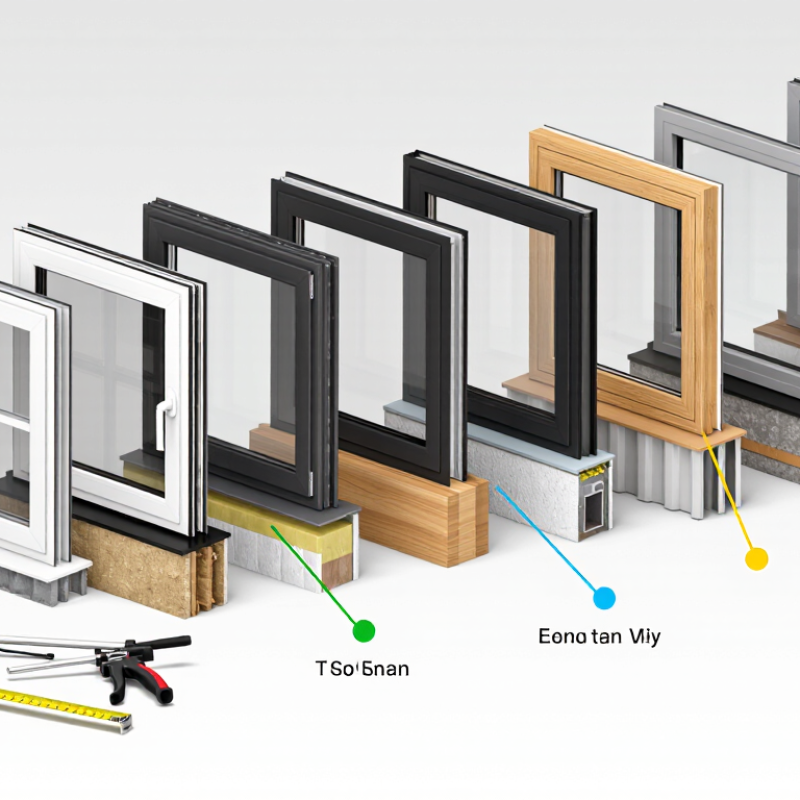
Flush fin windows, also called flange windows, include a wide exterior fin that covers the old Window Frame. Installers place the new unit over the existing opening. The fin then sits beneath new sealant and exterior cladding. This method is common when homeowners want replacement windows without removing siding, stucco, or interior trim.

They work best on sound wood, aluminum, or vinyl frames. The existing opening must remain square and free from serious water damage. A flush fin cannot repair rotten framing. It only conceals it. That distinction matters.

On site, installers should probe the sill, inspect corner joints, and check drainage paths before measuring. A neat exterior edge may still hide moisture inside the wall.

The U.S. Department of Energy estimates that windows can represent 25% to 30% of residential heating and cooling energy use.

Choosing low U-factor glass can reduce winter heat loss, while an appropriate solar heat gain coefficient can limit summer overheating.

The National Fenestration Rating Council advises comparing these ratings rather than relying on glass appearance alone. Flush fin replacement is practical, but it reduces visible glass slightly and may expose existing frame problems later.

A careful installation with backer rod, compatible sealant, and verified sill drainage matters more than a perfect product list. Mistakes happen when contractors measure only the opening, not the old frame.

Key Criteria for Evaluating Replacement Flush Fin Windows

Choosing among the 10 best flush fin windows requires more than comparing prices. Start with accurate measurements of the existing opening, including width, height, sill condition, and exterior clearance. A small error can create drafts or force costly trimming.

Evaluate the fin design, frame strength, glazing, drainage, and installation method. Durable vinyl, fiberglass, and coated metal frames each perform differently in harsh sunlight and wet climates. Look for low-emissivity glass, insulated chambers, and tested air and water resistance. Certification from recognized testing organizations adds useful evidence, but it does not replace careful installation. If a nearby entry uses a Flush Door Type, check that the window’s sightlines and frame depth look consistent. Appearance matters.

Tips: Photograph the opening before removal. Test the sill with a level. Keep old trim until the replacement fits. Ask for written performance ratings and warranty terms. A qualified installer should explain flashing, shimming, and interior sealing in plain language.

I have found that the “best” window depends on the building, not a universal ranking. A model that performs well in a dry region may struggle near salty coastal air. Review maintenance needs, hardware feel, and condensation behavior during cold mornings. No checklist is perfect. Recheck the measurements. Small details often decide whether the finished window feels solid or merely new.

The 10 Best Flush Fin Window Options for Replacement

Choosing among the 10 best flush fin window options for replacement starts with your home’s structure, climate, and daily habits. Flush fins cover the existing exterior frame, helping reduce siding disturbance during installation. In my experience, the strongest choices include single-hung, double-hung, casement, awning, sliding, picture, bay, bow, garden, and geometric windows. Each serves a different purpose. Double-hung windows suit bedrooms because both sashes move for ventilation. Casement Windows, often calledWindows That Open Like Doors, catch side breezes effectively. Picture windows provide clear views but do not open. Bay and bow designs add space, though they require stronger support and careful measurements.

Tips: Check the rough opening, sill condition, frame depth, and exterior trim before ordering. Ask the installer about water management and air sealing. A small measurement error can create drafts, leaks, or visible gaps. Bring photos of the existing frame to your consultation. They reveal details that measurements sometimes miss. Choose low-maintenance materials if the windows face heavy rain or strong sunlight. For upper floors, confirm safe cleaning access. I once underestimated how much a deep interior sill would affect curtain placement. It was a minor detail, but the room felt less practical afterward.

Look for tested performance ratings, clear warranties, and documented installation methods. Local building requirements may affect emergency egress, glass safety, and ventilation. Avoid selecting a window only because it looks attractive online. The best flush fin replacement should fit the opening, protect against weather, and feel natural to operate every day. Still, no option is perfect. Your installer’s inspection matters as much as the product.

What Are the 10 Best Flush Fin Windows for Replacement?

Comparison of representative flush-fin replacement configurations using center-of-glass U-factor benchmarks. Lower U-factor indicates better insulation and energy performance.

The values are product-neutral benchmark figures commonly associated with residential Window Glazing and frame configurations. Actual performance varies by size, spacer, frame design, installation quality, and climate zone; always verify the NFRC label before purchasing.

How Frame Materials Affect Performance and Longevity

What Are the 10 Best Flush Fin Windows for Replacement?

When replacing windows, frame material often matters more than appearance. A flush fin frame must sit securely over the existing opening, so accurate measurements and sound wall conditions are essential. During site inspections, I check for soft wood, uneven sills, and hidden moisture before comparing window options. A polished finish cannot repair a damaged opening.

Vinyl and Aluminum Frames

Vinyl frames usually provide good insulation and require little maintenance. However, darker colors may absorb heat and expand more noticeably in strong sunlight. Aluminum frames offer slim sightlines and strong resistance to warping. Their weakness is thermal transfer unless they include an effective thermal break. Double Hung Aluminium Windows can work well in modern homes, especially where narrow frames and smooth operation matter. Still, metal frames may feel colder near the glass during winter.

Wood, Fiberglass, and Installation

Wood frames offer warmth and can be repaired, but they need regular sealing around exposed edges. Fiberglass frames resist movement and often perform consistently through seasonal changes, although their cost may be higher. The best choice depends on climate, drainage, glass type, and installation quality. I have seen an expensive window perform poorly after rushed flashing work. That mistake is easy to overlook. Ask how each frame handles water, fasteners, expansion, and future maintenance before selecting a flush fin replacement.

Comparing Energy Efficiency, Glass, Hardware, and Design

Choosing the 10 best flush fin windows for replacement requires more than comparing prices. In real renovation work, I inspect the frame, opening, and local weather exposure first. A window may look efficient, yet perform poorly when installed over damaged sheathing. Measure twice. Replace hidden rot before installation.

Energy performance starts with low-emissivity glass, insulated chambers, and tight weather seals. Double glazing suits many moderate climates, while triple glazing can reduce heat loss in colder regions. Check the U-factor and solar heat gain rating, not vague claims. Glass spacing also matters. Warm-edge spacers can limit condensation along the perimeter.

Hardware should operate smoothly without excessive force. Corrosion-resistant hinges and locks are especially useful near humid or coastal areas. Flush fins should cover the existing exterior trim cleanly, but design must not hide installation defects. Slim profiles support Contemporary Doors And Windows styles, including dark frames and broad glass areas. Still, darker surfaces may absorb more heat. I would also question extremely low prices, because weaker seals and basic hardware can shorten service life. My own evaluation can miss site-specific problems, so a qualified installer should verify drainage, shimming, and fastening before the final trim is secured.

What Are the 10 Best Flush Fin Windows for Replacement? - Comparing Energy Efficiency, Glass, Hardware, and Design

Rank Flush Fin Window Configuration Typical U-Factor
(Btu/h·ft²·°F)
Typical SHGC Glass Package Energy-Efficiency Strength Hardware and Operation Design Characteristics Best Replacement Use
1 Low-E Triple-Glazed Casement 0.20–0.27 0.20–0.40 Triple pane, argon or krypton fill, two low-emissivity coatings, warm-edge spacer Excellent insulation and strong airtightness when correctly installed Multi-point locking, adjustable hinges, compression weather seals Clean exterior frame, narrow sightlines, contemporary appearance Cold climates, exposed elevations, and high-performance renovations
2 Double-Glazed Low-E Casement 0.25–0.32 0.25–0.45 Dual pane, argon fill, low-E coating, insulated spacer Balanced thermal performance, cost, and daylight Crank-operated sash, locking handle, compression seals Slim flush fin, broad finish choices, unobstructed ventilation Most standard replacement projects in mixed climates
3 Double-Glazed Awning Window 0.27–0.34 0.25–0.45 Dual pane, argon-filled cavity, low-E glass, perimeter seal Good air resistance and ventilation during light rain Top-hinged sash, folding crank, strong compression closure Compact horizontal profile and practical modern styling Bathrooms, kitchens, sheltered openings, and upper-level ventilation
4 Low-E Double-Hung Window 0.28–0.35 0.25–0.45 Dual pane, argon fill, low-E coating, insulated spacer Reliable everyday efficiency with convenient airflow control Tilt-in sashes, cam locks, balance system, removable screens Traditional proportions with a low-profile replacement exterior Bedrooms, living rooms, and homes requiring easy cleaning
5 Solar-Control Double-Glazed Casement 0.27–0.34 0.20–0.30 Dual pane, low-E solar-control coating, argon fill, warm-edge spacer Reduces unwanted solar heat gain on sunny façades Multi-point latch, crank operator, compression gaskets Minimal flush fin and clear glass area with reduced glare potential Warm climates and south- or west-facing rooms
6 Laminated Acoustic Casement 0.29–0.36 0.25–0.45 Dual pane with laminated inner lite, low-E coating, argon fill Good thermal performance with improved sound and impact resistance Heavy-duty locking points, crank handle, reinforced hinges Substantial glass appearance without a bulky exterior fin Urban homes, traffic-facing rooms, and high-noise locations
7 Fiberglass-Frame Flush Fin Window 0.27–0.34 0.25–0.45 Double or triple pane, low-E glass, argon or krypton fill Stable frame with low expansion and good long-term dimensional performance Corrosion-resistant hardware and positive sash locking Rigid narrow frame, painted or factory-finished surfaces Large openings and projects prioritizing durability and low maintenance
8 Wood-Interior Clad Flush Fin Window 0.27–0.35 0.25–0.45 Dual or triple pane, low-E coating, inert-gas fill, insulated spacer Insulated glazing combined with a warm interior frame Multi-point hardware, smooth crank or lift operation Natural interior finish with a weather-resistant exterior cladding Traditional renovations and interiors requiring architectural warmth
9 Low-E Sliding Replacement Window 0.30–0.38 0.25–0.45 Dual pane, low-E coating, argon fill, insulated spacer Solid efficiency with simple operation and moderate ventilation Lift-out sash, roller track, latch lock, replaceable weather pile Wide horizontal proportions and a streamlined flush exterior Wide openings, patios, and areas with limited exterior clearance
10 Obscure-Glass Bathroom Awning 0.30–0.38 0.25–0.45 Dual pane, low-E coating, argon fill, privacy-textured inner glass Efficient daylighting with privacy and controlled ventilation Easy-reach crank, compression latch, corrosion-resistant components Small flush fin, translucent glass, compact ventilation profile Bathrooms, utility rooms, basements, and privacy-sensitive spaces

Note: Performance figures are representative ranges for comparable replacement-window configurations. Actual results depend on frame material, glass size, spacer design, installation quality, climate zone, and certified product ratings. Lower U-factor generally indicates better insulation; SHGC should be selected according to local climate and solar exposure.

How to Choose the Right Flush Fin Windows for Your Home

Choosing the right flush fin windows starts with your home, not a “best” ranking. The 10 best replacement options should match your wall condition, climate, and installation needs. Measure the existing opening carefully, including width, height, depth, and diagonal accuracy. A flush fin can cover the old frame, but it cannot correct a badly distorted opening. That detail is easy to overlook.

Compare U-factor, solar heat gain coefficient, air leakage, glass layers, and frame materials. Lower U-factor usually improves insulation, while a higher solar heat gain coefficient may help in colder regions. Warm climates often need stronger solar control. Check drainage paths and fin quality, too. Thin fins may bend during fitting. The window should open smoothly after installation, with no rubbing or visible gaps.

Tips: Ask for the full performance label, not only the advertised energy rating. Confirm the window’s rough-opening size before ordering. Inspect the sill for moisture damage. Use compatible flashing and sealants. A qualified installer should explain how water will move away from the wall. I would not choose a window by appearance alone. Dark frames can look attractive, but they may absorb more heat. Even experienced homeowners can miss this. Recheck the measurements before purchase; one small error can create expensive adjustments.

FAQS

What are flush fin windows?

Flush fin windows have a wide exterior flange covering the old window frame. The new unit sits over the existing opening. The fin hides beneath sealant and exterior cladding.

When are flush fin windows commonly used?

They suit replacement projects where homeowners want to preserve siding, stucco, or interior trim. Installation usually causes less exterior disturbance. That can save time.

Which existing frames work best with flush fin windows?

Sound wood, aluminum, and vinyl frames are suitable. The opening must remain square and free from serious water damage. Rotten framing needs repair, not concealment.

How should an installer inspect the existing opening?

The installer should probe the sill and inspect corner joints. They should also check drainage paths and frame depth. A clean outside edge can hide moisture inside.

Do flush fin windows reduce visible glass?

Usually, yes. The replacement frame and fin can slightly reduce the glass area. The change may be noticeable near curtains or narrow walls.

Which window styles are available with flush fins?

Common choices include single-hung, double-hung, casement, awning, sliding, and picture windows. Bay, bow, garden, and geometric styles are also possible. Each serves a different purpose.

How should homeowners choose the right window style?

Double-hung windows support ventilation in bedrooms because both sashes move. Casement windows catch side breezes effectively. Picture windows provide views but do not open.

What measurements matter before ordering?

Check the rough opening, existing frame, sill condition, frame depth, and exterior trim. Measure the old frame, not only the wall opening. Bring clear photos.

What installation details help prevent drafts and leaks?

Installers should use backer rod, compatible sealant, and verified sill drainage. Careful air sealing matters. Small errors can create gaps, leaks, or drafts.

What performance features should buyers compare?

Compare U-factor and solar heat gain coefficient ratings. Lower U-factor values can reduce winter heat loss. Suitable solar ratings may limit summer overheating.

Are flush fin windows suitable for every home?

No. They cannot correct damaged framing or hidden moisture. Upper-floor cleaning access, ventilation, emergency egress, and glass safety also need review.

What mistake can homeowners make after installation?

They may focus on appearance and overlook daily use. A deep interior sill can interfere with curtains or furniture. It seemed minor, but practicality changed.

Conclusion

Flush Fin Windows are replacement windows designed to fit over an existing window frame, using an exterior fin to cover the old frame and create a clean, finished appearance. They are especially useful when homeowners want to improve comfort, energy efficiency, and appearance without removing the entire surrounding structure. This guide explains the key factors for evaluating replacement options, including frame strength, installation compatibility, weather resistance, maintenance needs, and long-term value.

The ten recommended Flush Fin Windows options are compared by frame material, glass performance, insulation, hardware quality, ventilation, security, and design flexibility. Materials such as vinyl, fiberglass, aluminum, and wood can affect durability, appearance, thermal performance, and upkeep requirements. Energy-efficient glass, reliable seals, smooth operation, and suitable styles are also important considerations. By comparing these features with the home's climate, existing openings, budget, and aesthetic preferences, homeowners can select replacement windows that provide lasting performance, improved indoor comfort, and a cohesive exterior appearance.

Charlotte

Charlotte

Charlotte is a dedicated marketing professional at Oday, a company renowned for its high-end minimalist narrow-edge system doors and windows. Since its establishment in 2009, Oday has seamlessly integrated system research and development, production, sales, and technical services to offer......
Previous What Are the Top 10 Multi Slide Patio Doors?